The psychology of luxury is far more complex than surface-level assumptions about wealth and extravagance. For affluent individuals, premium goods represent a multidimensional ecosystem of emotional, cultural, and intellectual desires. Behind every luxury purchase lies a combination of motivations – identity, self-expression, reward, exclusivity, and even nostalgia. Understanding why wealthy consumers invest in premium items reveals much about human nature, social evolution, and personal aspiration.
One of the strongest psychological drivers is the desire for self-expression. While mass-market consumers often purchase to fit in, high-net-worth buyers purchase to stand out. A handcrafted watch, a bespoke suit, or a limited-edition handbag serves as a personal signature, a reflection of refined taste. These items don’t merely accessorize a lifestyle; they help define it. Wealthy buyers value the story behind the product as much as the product itself. They want to know the artisan’s history, the origin of materials, and the philosophy behind the brand.
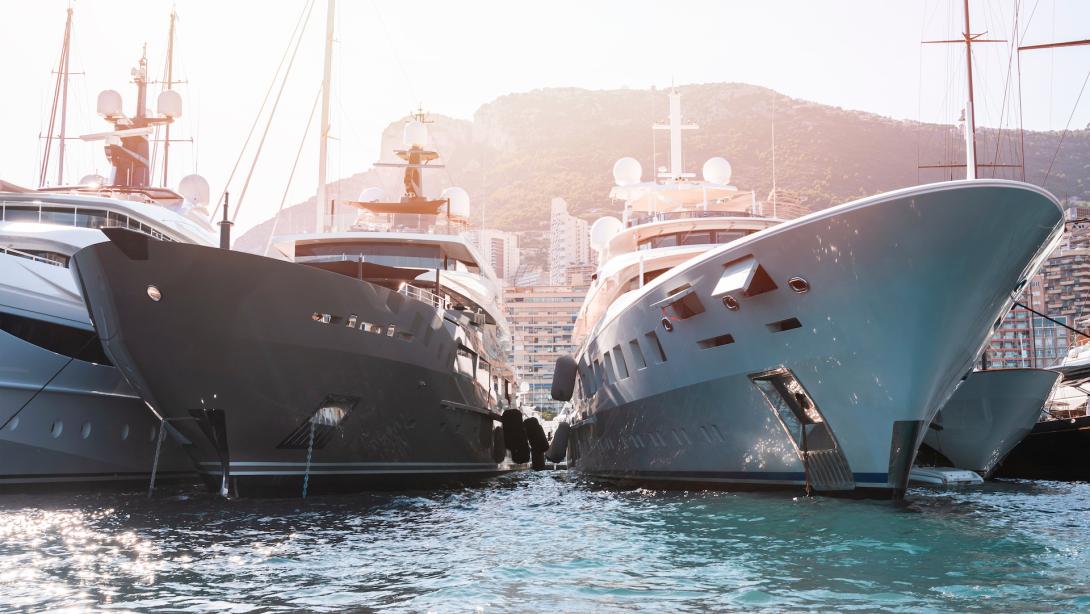
Another crucial factor is mastery and craftsmanship. For many affluent individuals, luxury is a celebration of human excellence. They appreciate the hundreds of hours that go into creating a mechanical timepiece, the rare woods used to build a yacht’s interior, or the meticulous detail in haute couture embroidery. This appreciation for artisanal perfection transforms the act of purchasing into a form of cultural support – a way to preserve ancient skills in a modern world dominated by mass production.
Luxury also serves as a powerful emotional reward. High achievers often use premium purchases as milestones for success: closing a major business deal, reaching a personal goal, or marking a life transition. These symbolic purchases reinforce self-worth and anchor memories to physical objects. Unlike ordinary consumption, luxury purchases evoke a long-lasting emotional resonance.
Exclusivity is another core psychological element. Premium goods often exist in extremely limited numbers, creating a sense of privileged access. For the wealthy, joining an invitation-only collector’s club or buying a limited-edition release affirms their position within a rarefied social sphere. The scarcity enhances the perceived value and deepens emotional attachment.
Luxury also taps into nostalgia and legacy. Many affluent consumers choose premium goods that can be passed down through generations. A family’s art collection, heirloom jewelry, or rare wine cellar becomes part of a long-term narrative. Legacy-driven consumption is one of the most powerful motivations in the luxury world, as it allows individuals to leave behind a tangible representation of their identity.
Surprisingly, practicality also influences luxury buying behavior. Wealthy consumers often prefer premium goods because they offer reliability, longevity, and exceptional functionality. A custom-built car provides performance that mass-produced vehicles cannot match. A luxury travel service offers convenience and safety that traditional options lack. In this sense, luxury becomes a rational choice for optimal quality of life.
Finally, the psychology of luxury includes a profound desire for well-being. High-end wellness retreats, biohacking technologies, ultra-premium skincare, and personalized health diagnostics have become essential elements of modern affluent lifestyles. These purchases are not about appearance – they are about longevity, vitality, and personal optimization.
Ultimately, luxury is a deeply psychological experience rooted in identity, emotion, mastery, exclusivity, legacy, and well-being. The wealthy do not simply buy expensive things – they invest in meaning. And in a world where time is the ultimate currency, premium goods and services provide the one resource that money can amplify: the quality of one’s lived experience.