The world of luxury spirits and fine wines has become one of the most fascinating sectors of premium consumption. For wealthy collectors, rare bottles represent artistry, craftsmanship, history and investment potential. Spirits distillers and winemakers create small-batch masterpieces that stand as cultural artifacts – liquid expressions of time, geography and human creativity.
Collectors seek items with exceptional pedigree: aged Scotch whiskies, limited-edition cognacs, grand cru wines, vintage champagnes, and artisanal small-batch spirits. Many bottles are produced in such small quantities that they become instantly valuable. Some distilleries release only a few hundred bottles per decade, making these items highly coveted.
Aging plays a crucial role in value. Time transforms spirits, enriching their flavor profiles and increasing rarity. A 50-year-old whisky or a century-old cognac embodies craftsmanship that cannot be replicated.
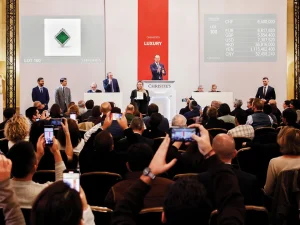
Provenance is equally important. Wealthy buyers look for bottles stored under ideal conditions, accompanied by authentication certificates. Auctions at Sotheby’s or Christie’s attract global bidders willing to pay millions for iconic vintages.
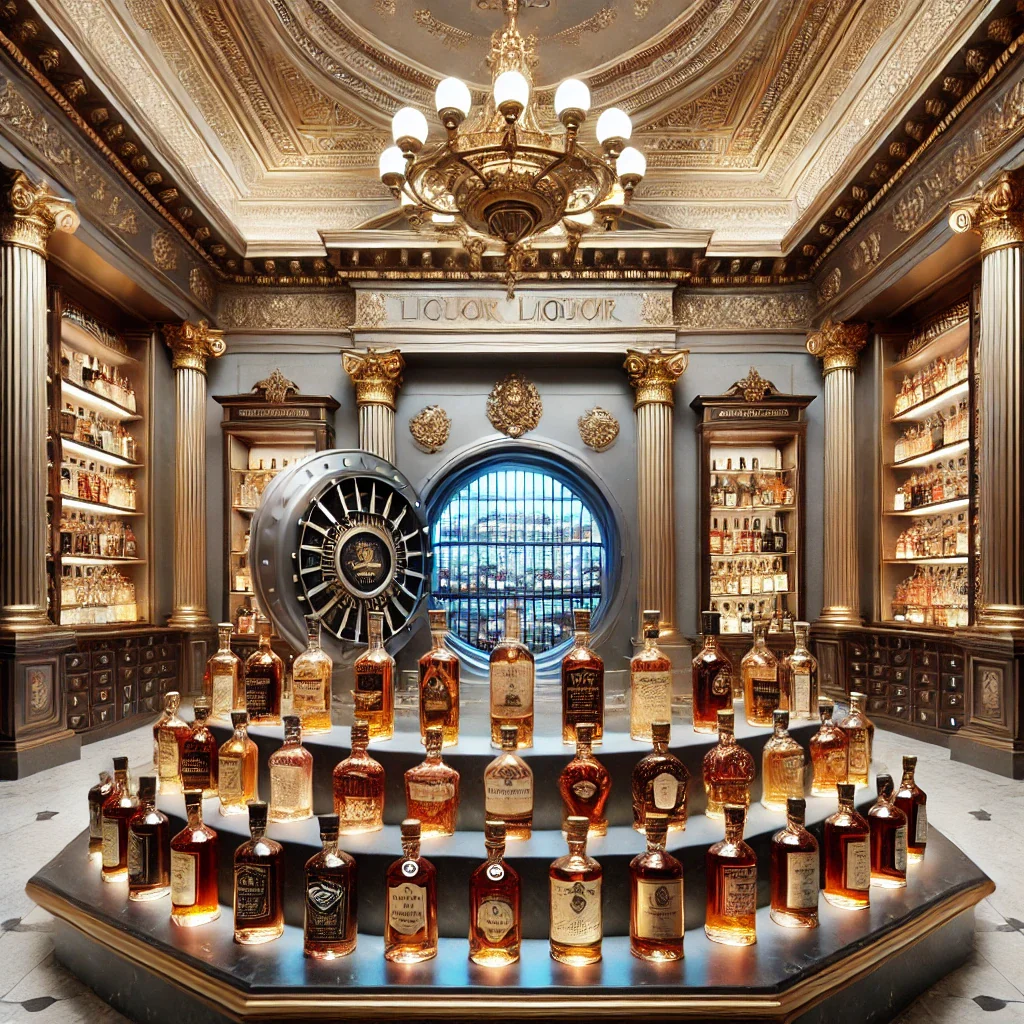
Luxury wine and spirit collections often become part of a wealthy person’s social identity. Cellars are designed as architectural showcases, featuring climate-controlled vaults, digital inventory systems, and tasting lounges. Many collectors host private tasting events to share their discoveries with friends, business partners or fellow enthusiasts.
As an investment, fine wines and spirits offer impressive long-term returns. Some have outperformed stock markets, attracting investors seeking alternative assets.
Ultimately, luxury spirits and wines represent the art of celebration. They connect people, commemorate milestones and elevate life’s most meaningful moments.