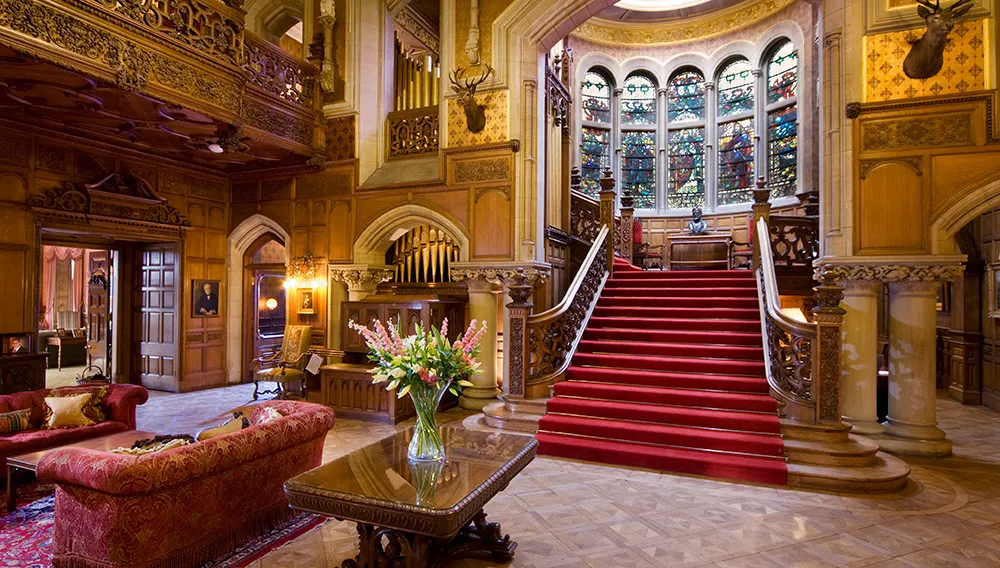
Private clubs have existed for centuries, but their role in modern elite culture has evolved far beyond social gathering spaces. Today’s high-end private clubs combine business networking, cultural enrichment, wellness, exclusivity, and privacy in a single destination. For wealthy individuals, membership in these clubs represents not only a lifestyle choice but a symbol of belonging, influence, and cultural capital.
Modern private clubs fall into various categories, each catering to different aspects of affluent life. Business clubs located in major cities, such as New York or London, serve as refined environments where high-net-worth individuals can meet partners, attend private briefings, or negotiate deals. These clubs offer conference suites, private offices, fine dining salons, and curated networking events with influential leaders.
Lifestyle clubs focus on recreational and cultural experiences. Members may enjoy Michelin-level dining, art exhibitions, wine cellars, libraries, wellness centers, and curated events such as intimate concerts or guest lectures. For many wealthy members, these spaces function as sanctuaries—places to relax, learn, or cultivate personal passions among like-minded individuals.
Country clubs and sports clubs offer premium athletic experiences. World-class golf courses, tennis academies, polo fields, equestrian centers, and yacht marinas provide elite members with access to recreation unavailable to the general public. Membership often includes generational privileges, reinforcing legacy and tradition within affluent families.
One of the greatest appeals of private clubs is privacy. Members can socialize, discuss business, or relax without fear of public exposure. Many clubs enforce strict no-photography policies and maintain tight control over membership lists.
Exclusivity is central to the culture. Membership fees may reach six or seven figures, but financial resources alone are not enough. Clubs carefully curate their communities, selecting individuals whose backgrounds, values, and achievements align with the club’s identity. This exclusivity fosters a shared sense of prestige and belonging.
Private clubs also serve as powerful networking platforms. Access to influential individuals—entrepreneurs, investors, artists, policymakers—creates opportunities that extend far beyond the club’s walls. These connections often lead to business partnerships, philanthropic collaborations, and lifelong friendships.
In essence, private clubs act as micro-societies for the world’s elite. They offer cultural enrichment, privacy, and community in ways that public spaces simply cannot replicate. Membership becomes a reflection of identity, values, and social standing—one of the most powerful premium commodities money can buy.