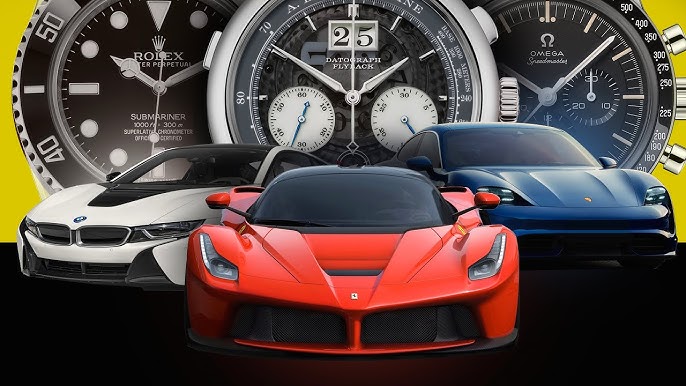
For affluent investors, choosing between luxury watches and collectible cars requires understanding ROI potential, liquidity, and portfolio integration. Both asset classes offer scarcity, status, and financial upside, but differences in market dynamics and risk profiles influence strategic decisions.
Comparative Analysis: Watches vs Cars
| Factor | Watches | Cars |
| Liquidity | High; secondary market accessible | Moderate; specialized auctions needed |
| Maintenance | Low; periodic servicing | High; storage, insurance, and repairs |
| Appreciation | Steady, predictable | High potential but volatile |
| Portability | Very high | Limited |
Investment Strategies
- Watches: Focus on iconic brands, limited editions, and vintage models.
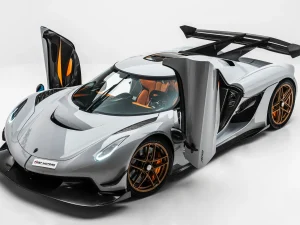
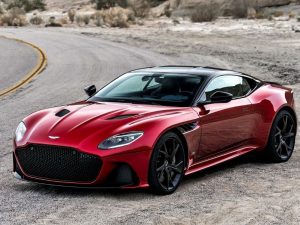
- Cars: Acquire rare or historically significant vehicles, maintain originality, and monitor auction trends.
- Portfolio: Combining both asset classes balances liquidity and upside potential.
Risks and Considerations
- Cars require higher ongoing costs and are subject to regulatory restrictions.
- Watches can be counterfeited; authentication is critical.
- Market timing is essential for optimal returns in both categories.
Case Studies
- Ferrari 250 GTO sold for $48 million; iconic Rolex Daytonas appreciate 15–20% annually.
- Combining collectible watches and cars in a portfolio provides both stability and high-growth potential.
Conclusion
Integrating luxury watches and cars into a portfolio allows high-net-worth investors to balance liquidity, diversification, and ROI. Strategic acquisitions, careful maintenance, and market awareness ensure both financial and personal satisfaction from these tangible luxury assets.