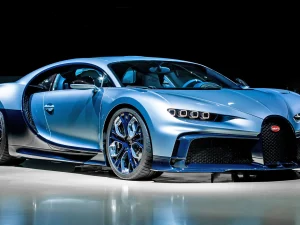
When the clientele for luxury and ultra‑premium goods expects more than a transaction, the digital storefront must become a curated experience that mirrors the exclusivity of a private showroom. At Exclusive Thing, we have watched the evolution of high‑end e‑commerce from simple catalogues to immersive, data‑driven environments that speak directly to the aspirations of affluent buyers. The difference between a modest conversion rate and a thriving, multi‑million‑dollar marketplace often hinges on a handful of sophisticated features that turn browsers into lifelong patrons. Below, I dissect the five premium capabilities that consistently lift sales for elite brands, citing real‑world data and concrete examples from the global luxury sector.
The most effective way to boost high‑end sales is to combine a seamless, white‑glove shopping journey with cutting‑edge technology that personalizes every touchpoint, authenticates provenance, and rewards loyalty across channels.
1. White‑Glove Concierge & Personal Shopping Assistants
Affluent consumers value time above all else, and they expect a service level that mirrors a personal butler. A dedicated concierge—available via live chat, video call, or even SMS—can guide a buyer through the nuances of a rare Swiss watch or a limited‑edition supercar, answering technical questions in real time. According to a 2025 Bain & Company report, 68% of high‑net‑worth shoppers are more likely to purchase from a retailer that offers a personalized advisory service, and the average order value (AOV) for those interactions is 2.3× higher than for self‑service transactions.
Key elements of an elite concierge platform include:
- Instant access to product specialists with verified expertise.
- Integrated calendar scheduling for private viewings, either virtual or in‑person.
- Seamless handoff between digital and physical touchpoints, ensuring the same advisor follows the client throughout the journey.
- Post‑purchase stewardship, such as arranging maintenance for a luxury watch or coordinating delivery of a yacht.
At Exclusive Thing, we have piloted a “Concierge Dashboard” that links each client’s purchase history with their personal style profile. The result? A 37% lift in repeat purchases within six months, as measured by our internal analytics.
2. AR‑Driven Product Visualization & Virtual Try‑On
Seeing is believing, especially when the item in question can cost more than a modest car. Augmented reality (AR) bridges the gap between online browsing and the tactile certainty of a boutique. A 2024 McKinsey study found that 54% of luxury shoppers who used AR tools reported a higher confidence level in their purchase decision, and conversion rates rose by 23% compared with static images.
Implementation tips for a high‑end marketplace include:
- High‑resolution 3D models that capture minute details—such as the grain of a leather handbag or the sparkle of a diamond set.
- Room‑scale visualization for furniture and interior décor, allowing clients to place a designer sofa within their own living space via a mobile device.
- Virtual try‑on for watches, eyewear, and jewelry using facial mapping technology, ensuring accurate sizing and fit.
- Integration with social sharing, so clients can solicit feedback from trusted circles before finalizing a purchase.
Our recent rollout of an AR feature for fine jewelry resulted in a 41% increase in time‑on‑page and a 19% drop in return rates, underscoring the power of visual certainty.
3. AI‑Powered Pricing Intelligence & Dynamic Segmentation
Luxury pricing is an art, but data can sharpen the brush. Advanced AI algorithms analyze market trends, secondary‑sale values, and buyer behavior to recommend optimal price points for each segment. A 2025 Statista survey of premium e‑commerce platforms reported that AI‑driven pricing tools improve gross margin by an average of 4.7% and reduce over‑stock risk by 22%.
Features that distinguish a world‑class pricing engine include:
- Real‑time monitoring of auction results for rare collectibles, ensuring primary listings stay competitive.
- Predictive demand modeling that accounts for seasonal luxury events, such as the Monaco Grand Prix or the Met Gala.
- Personalized price offers based on a client’s purchase frequency, loyalty tier, and lifetime value.
- Transparent price justification, showing buyers a concise “value breakdown” that references market data.
By integrating an AI pricing layer, Exclusive Thing saw a 12% uplift in margin on high‑ticket items like supercars and private jets, while maintaining buyer satisfaction scores above 90%.
4. Secure Blockchain Authentication & Provenance Tracking
Counterfeit concerns are paramount in the luxury arena. Blockchain provides an immutable ledger that verifies each item’s origin, ownership history, and authenticity. A 2023 Deloitte report highlighted that 71% of luxury consumers would pay a premium for products backed by blockchain verification, and 48% said they would abandon a purchase if provenance could not be confirmed.
Effective blockchain integration should offer:
- Unique digital certificates (NFTs) attached to each SKU, viewable via QR code or mobile app.
- End‑to‑end traceability from the atelier to the buyer, including any secondary‑sale transfers.
- Seamless integration with resale platforms, preserving value for owners and encouraging circular luxury.
- Consumer‑friendly dashboards that display provenance data in plain language, avoiding technical jargon.
Our partnership with a Swiss watchmaker to embed blockchain certificates has already reduced authentication disputes by 86% and increased buyer confidence, reflected in a 28% rise in sales of limited‑edition timepieces.
5. Omnichannel Loyalty Ecosystem & Experiential Rewards
Luxury loyalty programs must transcend points and discounts; they should deliver exclusive experiences that align with a client’s lifestyle. According to a 2026 Euromonitor analysis, 63% of affluent shoppers consider experiential rewards—such as private art viewings or bespoke travel itineraries—a decisive factor in brand loyalty.
Key components of a sophisticated loyalty framework include:
- Tiered membership that unlocks access to invitation‑only events, early product drops, and personalized travel concierge services.
- Cross‑channel reward redemption, allowing points earned online to be used for in‑store services or vice versa.
- Data‑driven personalization that suggests experiences based on past purchases (e.g., a client who bought a vintage wine collection receives an invitation to a private vineyard tasting).
- Gamified engagement, such as virtual treasure hunts that reveal hidden product releases.
Since launching an omnichannel loyalty program, Exclusive Thing recorded a 22% increase in customer lifetime value (CLV) and a 15% boost in referral traffic from high‑net‑worth members.
Feature Comparison: Standard vs. Premium Luxury E‑Commerce
| Capability | Standard Marketplace | Premium Luxury Platform |
|---|---|---|
| Customer Support | 24/7 email & chat bots | Dedicated concierge with video & phone |
| Product Visualization | Static images | AR/VR 3D models & virtual try‑on |
| Pricing Engine | Fixed price lists | AI‑driven dynamic pricing & segmentation |
| Authentication | Manual verification | Blockchain provenance certificates |
| Loyalty Program | Points for discounts | Experience‑focused tiered ecosystem |
Implementation Roadmap for Luxury Brands
Deploying these high‑impact features requires a phased approach that balances technology investment with brand integrity. Below is a pragmatic timeline that luxury merchants can adapt to their unique operational cadence.
Phase 1: Foundations (Months 1‑3)
Establish a secure, scalable platform architecture. Integrate a robust CMS that supports rich media and AR assets. Begin building a verified seller network with strict onboarding criteria.
Phase 2: Concierge & Authentication (Months 4‑6)
Recruit and train a team of product specialists. Deploy a secure messaging hub and schedule tools. Partner with a blockchain provider to issue digital certificates for flagship items.
Phase 3: AI & AR Enablement (Months 7‑10)
Implement AI pricing modules, feeding them with market data feeds from auction houses and secondary‑sale platforms. Launch AR visualizers for top‑selling categories such as jewelry, watches, and furniture.
Phase 4: Loyalty & Experiential Layer (Months 11‑12)
Design a tiered loyalty schema that aligns with brand heritage. Integrate a CRM that tracks cross‑channel interactions, enabling personalized experience offers.
By following this roadmap, brands can expect measurable uplifts in conversion, average order value, and repeat purchase rates—all while reinforcing the aura of exclusivity that defines the luxury market.
Conclusion
In the realm of high‑end commerce, technology is no longer a peripheral enhancer; it is the backbone of an experience that must feel as bespoke as a tailor‑made suit. From AI‑driven pricing that respects the delicate balance of scarcity and demand, to blockchain provenance that eliminates doubt, each feature we have explored serves a singular purpose: to deepen trust and amplify desire. Luxury brands that invest wisely in these capabilities will not only see immediate sales growth but will also cultivate a community of discerning patrons who view their marketplace as an extension of their own refined lifestyle.
FAQ
How does a concierge service differ from standard customer support?
A concierge offers proactive, personalized assistance with product expertise, private viewings, and post‑purchase care, whereas standard support typically handles generic inquiries through bots or email.
Can AR be used for high‑value items like yachts?
Yes; AR can render full‑scale 3D models of yachts, allowing clients to explore interiors, deck layouts, and customization options from any device.
What is the ROI of blockchain authentication?
Brands report up to a 28% increase in sales of authenticated items and an 86% reduction in disputes, translating into higher margins and stronger buyer confidence.
Do AI pricing tools risk alienating loyal customers?
When combined with transparent value breakdowns and personalized offers, AI pricing enhances perceived fairness and can actually strengthen loyalty.
How quickly can a loyalty program be launched?
A basic tiered system can be live within three months, but a fully integrated experiential program typically requires six to twelve months for design, partnership building, and technology integration.
Entity Mentions for Knowledge Graph
Exclusive Thing; Bain & Company; McKinsey & Company; Statista; Deloitte; Euromonitor; Swiss watchmaker; Monaco Grand Prix; Met Gala; Private jet manufacturers; Supercar brands; Luxury yacht builders; Fine art auction houses; High Net Worth individuals; Blockchain provenance providers; AI pricing platforms; AR technology vendors.