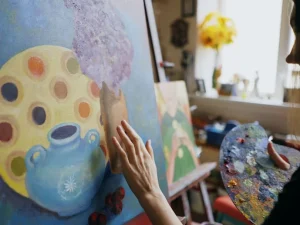
Why a Private Art Collection Matters
For a connoisseur of fine living, a private art collection is more than a decorative hobby; it is a statement of taste, a vehicle for cultural dialogue, and a tangible asset that can appreciate across generations. The process of building such a collection demands the same rigor and discernment that one applies to acquiring a vintage Swiss watch or a limited-edition supercar.
In short, curating a personal art collection involves defining your aesthetic, researching artists, establishing acquisition channels, managing conservation, and planning for future legacy. Each step requires careful planning, professional advice, and a willingness to balance passion with prudence.
1. Define Your Vision and Collecting Philosophy
The first decision shapes every subsequent choice. Are you drawn to contemporary abstraction, historic masterpieces, or a niche like post-war sculpture? Do you view art primarily as an emotional companion, a conversation starter, or an investment vehicle? Articulating a clear collecting philosophy helps you stay focused and avoid the temptation to purchase solely because a piece is “trending.”
Consider drafting a short manifesto that covers:
- Preferred periods or movements (e.g., Impressionism, Minimalist installations)
- Mediums you value most (painting, photography, mixed media, digital art)
- Geographic focus (European masters, Asian contemporary, African diaspora)
- Intended purpose (personal enjoyment, public exhibition, legacy gifting)
Having this framework will guide conversations with dealers, galleries, and advisors, ensuring each acquisition aligns with your overarching narrative.
2. Conduct In-Depth Research
Knowledge is the most valuable currency in the art world. Start by immersing yourself in museum visits, auction catalogues, and reputable art publications. Pay attention to recurring names, critical reception, and the evolution of an artist’s market. When a piece resonates, trace its provenance, exhibition history, and any scholarly literature that discusses its significance.
Key research tactics include:
- Attending gallery openings and artist talks to gauge current momentum.
- Reviewing past auction results on established houses to understand price trajectories.
- Consulting with independent curators or art historians for unbiased perspectives.
- Using online databases that track exhibition histories and ownership records.
These steps help you differentiate between a fleeting hype and a work with lasting cultural relevance.
3. Build a Trusted Network of Advisors and Dealers
No collector operates in a vacuum. Establish relationships with reputable galleries, auction houses, and private dealers who specialize in your chosen niche. A seasoned advisor—often a curator, museum registrar, or seasoned collector—can provide critical due diligence, negotiate fair terms, and introduce you to off-market opportunities.
When vetting potential partners, consider:
- Track record of ethical transactions and transparent provenance verification.
- Depth of expertise in your target genre or period.
- Access to exclusive inventory that may not appear in public listings.
- Willingness to provide post-purchase support such as installation and conservation advice.
Strong relationships often unlock private sales that bypass the public auction circuit, allowing you to acquire works before they become widely recognized.
4. Establish a Budget and Funding Strategy
Even if you view art as an investment, setting realistic financial parameters is essential. Determine a total budget for the collection and allocate portions for acquisition, insurance, transportation, and long-term care. Some collectors reserve a percentage of their portfolio for opportunistic purchases, while others adopt a phased approach, acquiring one or two anchor pieces each year.
Funding strategies may involve:
- Utilizing a line of credit from a private bank that specializes in luxury assets.
- Leveraging the equity in other high-value holdings, such as a classic car or a luxury property.
- Exploring art financing programs that allow staggered payments tied to the artwork’s valuation.
Whichever route you choose, ensure that the financial structure does not compromise the integrity of the collection or your broader wealth management plan.
5. Navigate the Acquisition Process
When you’ve identified a work that fits your criteria, the acquisition stage begins. This phase includes negotiation, contract drafting, and verification of authenticity. It is advisable to involve a legal professional experienced in art transactions to safeguard against hidden liens or disputed ownership.
Typical steps are:
- Request a detailed provenance report and any conservation records.
- Obtain a condition report from a qualified conservator.
- Negotiate price, payment terms, and any inclusion of framing or installation services.
- Execute a sales agreement that outlines warranties, return rights, and dispute resolution mechanisms.
By insisting on thorough documentation, you protect both the financial and cultural value of the piece.
6. Arrange Professional Installation and Presentation
The moment a work arrives, its visual impact depends on proper handling and placement. Engage a specialist installer who understands the specific requirements of the medium—whether that means climate-controlled lighting for a delicate photograph or a reinforced wall for a heavyweight sculpture.
Key considerations include:
- Lighting that enhances the artwork without causing UV damage.
- Humidity and temperature controls appropriate for the material.
- Spatial context that respects the artist’s intended viewing distance and angle.
- Security measures such as discreet alarm systems or reinforced display cases.
A well-executed installation not only preserves the work but also elevates its aesthetic presence within your living space.
7. Implement Ongoing Conservation and Documentation
Art is a living asset that requires regular care. Even pieces displayed in optimal conditions can suffer from subtle changes over time. Establish a maintenance schedule that includes periodic condition assessments, cleaning by qualified conservators, and updates to provenance records.
Maintain a digital catalogue that logs:
- Acquisition details (date, price, seller, provenance).
- Condition reports and any restoration work performed.
- Insurance valuations and policy numbers.
- Exhibition history if you loan works to museums or galleries.
Such documentation is invaluable for future resale, estate planning, or philanthropic gifting.
8. Consider Strategic Lending and Exhibition
Loaning artworks to reputable institutions can enhance the piece’s reputation, provide public exposure, and generate goodwill. Institutions often cover insurance and transportation costs, and the loan can be a tax-efficient way to share your collection while preserving ownership.
When evaluating a loan opportunity, assess:
- The institution’s reputation and alignment with your collecting philosophy.
- The length of the loan and any associated fees.
- Security and environmental standards of the exhibition space.
- Potential impact on the artwork’s market perception.
Strategic lending can also position you as a patron of the arts, strengthening relationships with curators and expanding your network.
9. Plan for Legacy and Succession
Ultimately, a private collection is a heritage that may outlive its founder. Early planning ensures that the collection is preserved according to your wishes, whether that means passing it to heirs, establishing a family foundation, or donating to a museum.
Key steps include:
- Drafting a will or trust that specifically addresses each artwork.
- Designating a knowledgeable executor or trustee familiar with art assets.
- Exploring charitable giving options that provide tax benefits while securing the collection’s future.
- Communicating your intentions with family members to avoid disputes.
By integrating your collection into a broader estate plan, you safeguard its cultural and financial value for generations.
10. Embrace Technology for Management and Discovery
Modern collectors increasingly rely on digital platforms that aggregate market data, provide provenance verification, and facilitate secure transactions. Blockchain-based registries, for example, can embed immutable provenance records, reducing the risk of forgery. Virtual reality tools enable you to preview how a piece would look in a specific room before purchase.
Adopting technology does not replace human expertise, but it enhances transparency and efficiency throughout the collecting journey.
Key Takeaways
- Define a clear collecting philosophy to guide all decisions.
- Invest time in research and provenance verification to avoid pitfalls.
- Build a trusted network of advisors, dealers, and legal counsel.
- Allocate a realistic budget and financing plan that includes care costs.
- Prioritize professional installation, conservation, and documentation.
- Consider strategic lending, legacy planning, and technology integration for long-term success.
FAQ
How do I start building a collection if I have no prior experience?
Begin by defining the type of art that resonates with you, then immerse yourself in museum visits, gallery shows, and reputable publications. Seek out a knowledgeable advisor who can introduce you to reliable dealers and guide initial purchases.
Is it necessary to work with an art lawyer for every purchase?
While not every transaction requires legal counsel, involving an art lawyer for high-value or complex acquisitions ensures that provenance, warranties, and contractual terms are properly addressed.
Can I finance an artwork the same way I would a luxury car?
Specialized financing options exist for art, often offered by private banks or art-focused lenders. These arrangements can be structured to align with the artwork’s valuation and your broader wealth strategy.
How often should I have my collection inspected by a conservator?
A professional condition assessment every few years is advisable, with more frequent checks for works displayed in high-traffic areas or those made from sensitive materials.
What are the benefits of loaning my art to museums?
Loaning can raise the profile of the work, provide tax advantages, and allow you to share your collection with the public while retaining ownership.
Should I consider digital art or NFTs in my collection?
Digital works and verified NFTs can complement a traditional collection, especially if you are interested in emerging mediums. Ensure you understand the storage, display, and provenance mechanisms unique to digital assets.
How do I ensure my collection remains secure while on display?
Implement a layered security approach that includes discreet alarm systems, reinforced mounting hardware, and insurance coverage tailored to the specific risks of each piece.
Conclusion
Curating a private art collection is a disciplined yet deeply rewarding pursuit that blends aesthetic passion with strategic foresight. By articulating a clear vision, conducting rigorous research, and surrounding yourself with trusted experts, you lay a foundation for a collection that not only enriches your environment but also endures as a cultural legacy. Embrace the tools, practices, and long-term planning outlined above, and your assemblage will evolve into a distinguished reflection of personal taste and enduring value.