When you browse a global luxury marketplace for a coveted Swiss timepiece, the excitement of finding a piece that matches your taste can quickly turn into anxiety if you’re unsure whether the watch is genuine. The stakes are high: a counterfeit can cost you a great deal, damage your reputation, and erode trust in the platform. Understanding the anatomy of a Swiss watch, the hallmarks of authentic craftsmanship, and the verification tools available to buyers can turn uncertainty into confidence.
In short, authenticating a Swiss luxury watch on a marketplace involves examining serial numbers, scrutinizing case and movement details, consulting reputable service records, and using third-party verification services before finalizing the purchase.
Why Authenticity Matters in the Luxury Watch Market
Swiss watches occupy a unique niche where heritage, engineering, and artistry intersect. Brands such as Rolex, Patek Philippe, Audemars Piguet, and Omega have cultivated reputations that command premium prices and serve as both status symbols and investment pieces. A genuine watch carries the weight of decades of horological innovation and resale value, while a counterfeit lacks the intrinsic worth and can undermine the buyer’s collection. For collectors, connoisseurs, and first-time buyers alike, ensuring authenticity protects both financial and emotional investment.
Key Elements to Examine Before You Click “Buy”
The most reliable way to spot a genuine Swiss watch is to break down the examination into three layers: visual inspection, documentation, and technical verification.
1. Visual Inspection – The First Line of Defense
Even a casual glance can reveal red flags. Look for these tell-tale signs:
- Case finishing – Authentic pieces feature flawless polishing, a seamless bezel, and consistent grain patterns. Rough edges or uneven polishing often betray a replica.
- Dial details – Genuine dials have perfectly aligned markers, crisp printing, and a balanced logo placement. Counterfeit dials may have fuzzy fonts or misaligned hour markers.
- Bracelet and clasp – Examine the links for uniformity and the clasp for precise engraving. A cheap metal feel or sloppy engraving is a warning sign.
- Weight – Swiss watches are typically heavier due to high-quality materials. A surprisingly light feel can indicate inferior components.
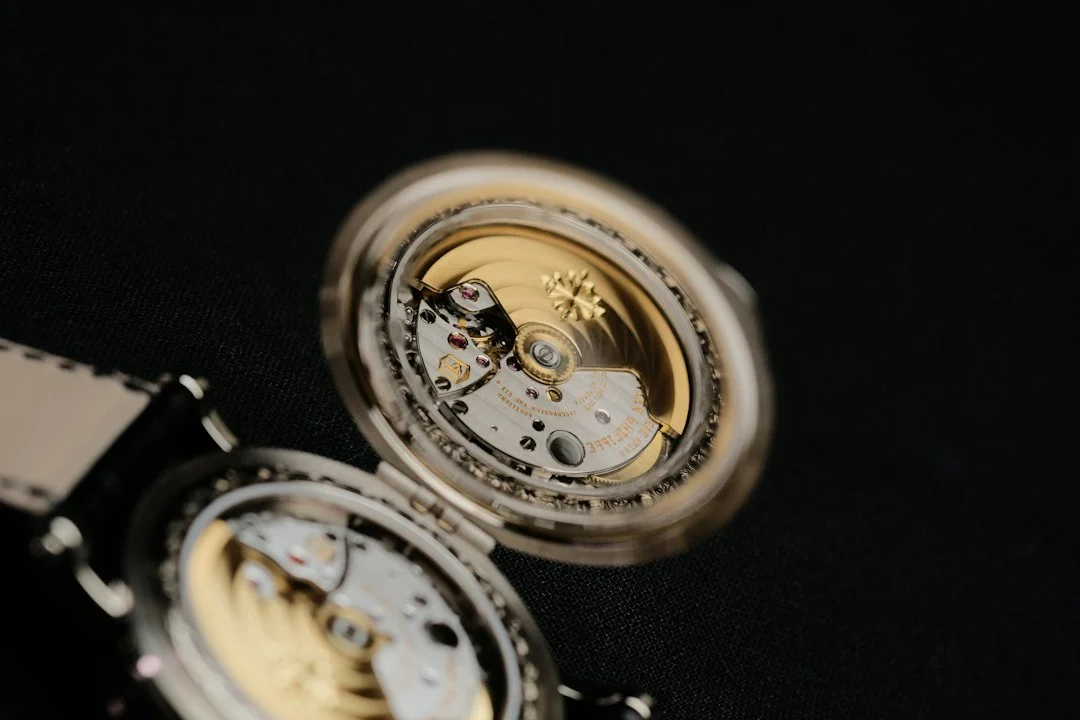
- Movement window – If the model has a transparent case back, the movement should be clearly visible and bear the brand’s hallmark engravings.
2. Documentation – The Paper Trail
Legitimate sellers should provide a packet of paperwork that includes:
- Original warranty card bearing the watch’s serial number.
- Purchase receipt from an authorized retailer.
- Service records from certified Swiss watchmakers.
- Authentication certificates from recognized third-party experts.
Absence of any of these documents does not automatically disqualify a watch, but it does raise the level of scrutiny you should apply.
3. Technical Verification – The Deep Dive
When the visual and documentary checks pass, move to a more technical evaluation:
- Serial number cross-reference – Each Swiss watch carries a unique serial etched on the case back or lugs. Cross-checking this number with the brand’s database (or with the help of a certified dealer) can confirm production year and model specifics.
- Movement inspection – Authentic movements exhibit fine finishing, such as Côtes de Genève patterns, polished bridges, and engraved balance wheels. A non-Swiss movement or a simplified automatic caliber is a red flag.
- Laser-etched hallmarks – Many high-end brands embed laser-etched logos or micro-text on the case back or inside the crystal. These are extremely difficult to replicate accurately.
Leveraging Marketplace Tools for Verification
Modern luxury marketplaces often embed verification features directly into the buying workflow. Here’s how to make the most of them:
Integrated Serial-Number Lookup
Some platforms partner with brand-authorized service centers to offer a real-time serial-number lookup. When a seller lists a watch, the system may automatically flag inconsistencies or confirm the serial against the brand’s production records. Always look for a green verification badge or a similar indicator that the watch has passed this check.
Third-Party Authentication Services
Independent experts such as watch-authentication houses can be hired to examine the piece before it ships. The marketplace may facilitate this by holding the watch in escrow until the expert returns a signed report. This adds a layer of protection and often includes high-resolution photos of the movement and case details.
Escrow and Return Policies
Even with authentication, the possibility of an error remains. Choose listings that offer escrow payment and a clear return policy. This way, if the watch fails a post-delivery inspection, you can initiate a refund without friction.
Step-by-Step Guide to Authenticate a Swiss Watch on a Marketplace
Follow this structured process to reduce risk and increase confidence in your purchase:
- Identify the exact model – Note the reference number, case size, material, and any unique features.
- Request high-resolution images – Ask the seller for close-up photos of the serial number, movement, dial, and clasp. A genuine seller should comply without hesitation.
- Verify the serial number – Use the marketplace’s lookup tool or contact an authorized dealer to confirm the number matches the claimed model and production year.
- Examine the movement – If possible, obtain a video or additional photos of the movement. Look for brand-specific finishing and engraved components.
- Check the paperwork – Ensure the warranty card, receipt, and service records are consistent with the watch’s age and condition.
- Engage a third-party authenticator – For high-value pieces, arrange for a reputable watch expert to inspect the watch before release.
- Utilize escrow – Complete the transaction through the marketplace’s escrow service, releasing funds only after you’ve confirmed authenticity.
- Document the receipt – Keep all communications, photos, and authentication reports for future resale or insurance purposes.
Common Pitfalls and How to Avoid Them
Even seasoned collectors can fall prey to subtle deceptions. Recognizing these pitfalls helps you stay ahead of fraudsters.
Fake Serial Numbers
Some counterfeit watches feature a serial number that looks authentic at first glance but contains subtle inconsistencies, such as incorrect font spacing or an impossible production year. Always cross-reference with the brand’s official records.
Re-engraved Cases
Unscrupulous sellers may take a genuine case and re-engrave it with a different model’s details. Inspect the case back for signs of tampering, such as uneven engraving depth or mismatched font styles.
Partial Authenticity
A watch might have an authentic case but a non-Swiss movement, or vice versa. This hybrid approach is a common tactic to inflate price while reducing production costs. Verify both the exterior and the internal components.
Over-reliance on Seller Reputation
While a high seller rating is encouraging, it’s not a guarantee. Even reputable sellers can inadvertently list a misidentified piece. Conduct independent verification regardless of the seller’s track record.
When to Walk Away
Trust your instincts. If any of the following conditions are present, it may be wiser to abandon the purchase:
- The seller refuses to provide additional photos or documentation.
- The serial number does not match the claimed model or appears altered.
- The price is significantly lower than market expectations without a clear justification.
- The marketplace’s verification badge is missing or flagged as “unverified”.
- The seller pushes for an off-platform transaction, bypassing escrow or authentication services.
Maintaining Long-Term Trust in Luxury Marketplaces
Platforms that prioritize rigorous authentication protocols cultivate a community of confident buyers and reputable sellers. By demanding transparent documentation, offering integrated verification tools, and supporting escrow-based transactions, a marketplace can become a trusted hub for high-end horology. As the ecosystem evolves, expect more AI-driven image analysis and blockchain-based provenance records to further safeguard the buying experience.
FAQ
Can I rely solely on a seller’s photos to verify a watch?
No. Photos are useful but can be manipulated. Always request additional images of serial numbers, movement, and case details, and consider a third-party inspection.
What does a “green verification badge” mean on a marketplace?
It typically indicates that the platform’s internal tools have cross-checked the watch’s serial number and found it consistent with the brand’s records.
Is a warranty card enough proof of authenticity?
A warranty card is an important piece of evidence, but it should be accompanied by a receipt, service records, and, if possible, a third-party authentication report.
How can I tell if a movement is genuine?
Examine the finishing, engravings, and model-specific features. Authentic Swiss movements display high-grade polishing, Côtes de Genève patterns, and brand-specific micro-text.
Do all Swiss watches have a serial number?
Yes, virtually every Swiss luxury watch carries a unique serial number etched on the case back or lugs, which can be used for verification.
What role does escrow play in watch purchases?
Escrow holds the buyer’s payment until the watch is received and confirmed authentic, protecting both parties from fraud.
Should I use a third-party authenticator for a lower-priced watch?
Even for less expensive pieces, a professional opinion can be valuable, especially if the watch is a rare model or part of a collection.
Conclusion
Authenticating a Swiss luxury watch on a marketplace demands a blend of keen observation, diligent paperwork review, and strategic use of verification services. By dissecting the watch’s visual cues, confirming serial numbers, scrutinizing the movement, and leveraging escrow and third-party experts, buyers can navigate the high-stakes world of premium timepieces with confidence. As verification technologies advance and marketplaces tighten their standards, the path to owning a genuine Swiss masterpiece becomes clearer, ensuring that each purchase not only delights the wearer but also preserves the enduring value of true horological craftsmanship.