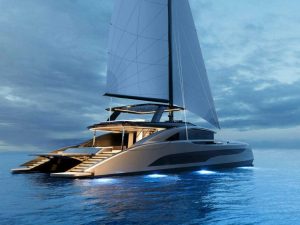
Understanding Sustainable Superyacht Ownership
Buying a superyacht has always been a statement of ambition, but the modern buyer also wants that ambition to align with environmental responsibility. A sustainable superyacht blends cutting-edge marine engineering, renewable energy systems, and ethically sourced materials to reduce its ecological footprint without sacrificing luxury. The process demands careful planning, a clear set of priorities, and collaboration with specialists who understand both high performance and green technology.
In short, acquiring a sustainable superyacht involves defining your eco-values, selecting a builder committed to green practices, evaluating propulsion and energy options, scrutinizing interior sourcing, and managing the purchase through a transparent, step-by-step process that safeguards both your investment and the planet.
Step 1 – Clarify Your Sustainability Goals
Before you ever step onto a deck, you need a concrete sustainability brief. This document should answer three core questions:
- Which environmental impacts matter most to you – carbon emissions, waste management, or material sourcing?
- How much are you willing to trade off in terms of speed, range, or interior opulence for greener technology?
- What certifications or standards will you use as benchmarks (for example, ISO 14001 environmental management or the Sustainable Yacht Charter guidelines)?
Having these criteria written down will keep every subsequent decision anchored to your original intent, preventing scope creep and ensuring you work with partners who share your values.
Step 2 – Choose the Right Builder
Not every shipyard has the expertise to integrate sustainable solutions at the superyacht scale. Look for builders that have publicly documented green projects, such as hybrid propulsion prototypes or hull designs optimized for fuel efficiency. A reputable yard will typically provide:
- Evidence of a dedicated sustainability department.
- Case studies of previous eco-focused builds.
- Partnerships with marine-engine manufacturers that specialize in low-emission powertrains.
When you meet the design team, ask for a walkthrough of their environmental workflow – from material selection to waste reduction during construction. Builders that treat sustainability as a core value rather than a marketing add-on will be more likely to deliver a vessel that truly meets your brief.
Step 3 – Evaluate Propulsion Alternatives
The heart of a sustainable superyacht lies in its propulsion system. Several pathways exist, each with distinct advantages and compromises:
Hybrid Diesel-Electric
This configuration pairs a conventional marine diesel engine with electric motors and battery banks. At low speeds or while anchored, the yacht can run silently on electricity, dramatically cutting emissions and noise. The downside is added weight from batteries, which may affect payload capacity.
Full Electric
Advances in lithium-ion and solid-state battery technology now make fully electric superyachts plausible for owners who prioritize zero-emission cruising in coastal waters. The trade-off is limited range and the need for robust shore-side charging infrastructure.
Alternative Fuels
Engines that run on liquefied natural gas (LNG) or bio-derived fuels can lower carbon output compared with traditional diesel. These fuels are still emerging in the yachting sector, so availability and refueling logistics must be considered.
Work with naval architects to model the performance of each option against your itinerary. The goal is to select a system that meets your cruising expectations while delivering the greatest possible reduction in greenhouse-gas output.
Step 4 – Optimize Hull Design for Efficiency
Even the most advanced propulsion system is hampered by an inefficient hull. Modern designers employ computational fluid dynamics (CFD) to sculpt hull shapes that glide through water with minimal resistance. Features to look for include:
- Fine, elongated bow sections that cut through waves rather than slam into them.
- Bulbous bows or wave-piercing designs that reduce drag.
- Hull coatings derived from ceramic or silicone technologies that inhibit marine growth, decreasing the need for toxic anti-fouling paints.
These design choices can shave fuel consumption by a noticeable margin, extending range and further lowering emissions.
Step 5 – Source Eco-Friendly Interior Materials
The interior of a superyacht is where luxury meets sustainability most visibly. Opt for materials that are responsibly harvested, recycled, or produced with low environmental impact. Consider:
- Reclaimed timber from certified forests for paneling and decking.
- Natural stone sourced from quarries with proven stewardship programs.
- Fabrics made from organic cotton, hemp, or recycled polyester.
- Low-VOC (volatile organic compound) finishes and adhesives that improve indoor air quality.
Work with interior designers who can source these elements without compromising the bespoke aesthetic you expect. Transparent supply chains and third-party verification will give you confidence that every cushion and countertop aligns with your sustainability brief.
Step 6 – Integrate Renewable Energy Systems
Beyond propulsion, a sustainable superyacht can generate its own power while at sea. Common renewable solutions include:
- Solar panels integrated into the superstructure, providing supplemental electricity for lighting, HVAC, or battery charging.
- Wind turbines or rigid sails that capture wind energy to power auxiliary systems.
- Heat-recovery units that convert engine waste heat into usable hot water or electricity.
These systems reduce reliance on diesel generators and can significantly lower operational costs over the vessel’s lifespan.
Step 7 – Conduct a Full Lifecycle Cost Analysis
While the upfront price tag of a sustainable superyacht may be higher than a conventional build, the total cost of ownership often tells a different story. Factor in:
- Fuel savings from efficient hull and propulsion.
- Reduced maintenance due to anti-fouling coatings and fewer moving parts in electric drives.
- Potential tax incentives or port fee reductions for low-emission vessels.
- Resale value, as the market increasingly rewards environmentally conscious assets.
A comprehensive analysis will help you justify the investment and demonstrate the long-term financial prudence of green choices.
Step 8 – Secure Financing and Insurance with Green Incentives
Many financial institutions now offer preferential terms for eco-friendly marine assets. Approach lenders who understand the value of sustainability certifications and can offer lower interest rates or flexible repayment structures. Similarly, insurers are beginning to provide reduced premiums for vessels equipped with advanced safety and emission-control systems. Present your sustainability brief, certifications, and performance data to negotiate the best possible terms.
Step 9 – Navigate Legal and Regulatory Waters
International maritime law increasingly addresses emissions and waste. Ensure your yacht complies with the latest MARPOL annexes, as well as regional regulations such as the EU’s carbon-border adjustment mechanisms for vessels entering European ports. Engage a maritime lawyer who specializes in green compliance to avoid costly retrofits or penalties down the line.
Step 10 – Final Inspection and Handover
Before signing the final purchase agreement, conduct a thorough sea trial focused on sustainability performance. Verify that:
- Propulsion systems meet the promised emission reductions.
- Renewable energy installations operate as designed.
- All interior materials are accompanied by documentation confirming ethical sourcing.
Document any discrepancies and require corrective actions before the handover. A detailed acceptance protocol protects your investment and ensures the vessel lives up to its green promise.
Step 11 – Establish an Ongoing Sustainability Management Plan
The responsibility for a sustainable superyacht does not end at delivery. Implement a management plan that includes:
- Regular monitoring of fuel consumption and emissions.
- Scheduled maintenance of battery systems and renewable installations.
- Periodic audits of waste handling and recycling practices on board.
- Continuous crew training on eco-friendly operations and best practices.
By treating sustainability as an ongoing operational priority, you preserve the vessel’s environmental integrity and its market appeal.
Key Takeaways
- Define clear eco-goals before engaging any shipyard.
- Select a builder with proven green credentials and a dedicated sustainability team.
- Prioritize hybrid or electric propulsion, efficient hull design, and renewable energy integration.
- Source interior finishes from certified, low-impact suppliers.
- Conduct a full lifecycle cost analysis to understand long-term financial benefits.
FAQ
Can a superyacht be fully electric without compromising luxury?
Yes, advances in battery technology allow for fully electric superyachts that retain high levels of comfort, though range may be limited to coastal cruising unless shore-side charging infrastructure is robust.
What certifications validate a yacht’s sustainability?
Common benchmarks include ISO 14001 for environmental management, the Sustainable Yacht Charter guidelines, and classification society notations that recognize low-emission propulsion.
Do renewable energy systems add significant weight?
Solar panels and small wind turbines add minimal weight compared with the overall displacement, while battery banks for electric propulsion are the primary contributors to additional mass.
How does a hybrid system affect fuel consumption?
Hybrid setups allow the diesel engine to operate at optimal efficiency while the electric motors handle low-speed maneuvers, resulting in noticeable reductions in fuel use and emissions.
Are there tax advantages for owning a green superyacht?
Some jurisdictions offer reduced registration fees, lower port charges, or tax incentives for vessels that meet specific emission standards, though the specifics vary by region.
Conclusion
Purchasing a sustainable superyacht is a nuanced journey that blends visionary design, responsible sourcing, and meticulous financial planning. By following a structured, step-by-step approach—starting with a clear sustainability brief and ending with a robust operational plan—buyers can enjoy the pinnacle of maritime luxury while contributing to a cleaner future. The market’s shift toward greener practices means that today’s eco-focused investment is likely to retain, if not enhance, its desirability and value for years to come.