Personalization has long been associated with luxury, but the modern era has ushered in a new level of bespoke experience known as hyper-personalization. This concept goes far beyond monograms or custom colors. It represents a complete transformation of the luxury landscape, driven by the desires of affluent consumers who want products to reflect not only their preferences but their identity, lifestyle, and personal narrative.
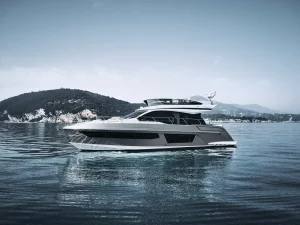
Hyper-personalization begins with data. High-net-worth individuals often engage with brands through private client programs, biometric fittings, lifestyle assessments, and digital mood boards. These tools allow brands to tailor products with unparalleled precision. Whether it’s a fragrance engineered around a client’s emotional profile or a yacht interior based on their travel habits, the result is a product that feels like an extension of the individual.
Another major development is immersive co-creation. Ultra-premium brands invite clients into their ateliers, design studios, and private workshops. Here, they work directly with creative directors, artisans, and engineers to shape their items. This involvement transforms the purchase into a deeply meaningful memory.
Hyper-personalization extends to experiences as well. Wealthy consumers now expect tailored wellness retreats, custom dining events, and curated travel itineraries designed around their psychological and physical needs. Luxury concierge services analyze lifestyle patterns to anticipate desires before they are expressed.
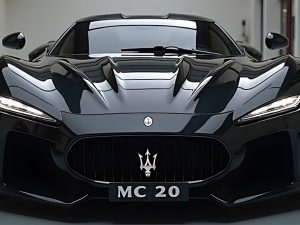
Even the automotive and tech sectors have embraced this shift. Elite clients can customize vehicles down to the type of stitching thread or the calibration of acceleration curves. In personal technology, premium smartphones and audio systems are tuned to individual sensory profiles, enhancing comfort and satisfaction.
The future of hyper-personalization will likely include AI-driven design, genetic-level wellness customization, and experiential environments that adapt to a person’s emotional state. As the world becomes more automated, the wealthy will continue to seek uniqueness — and hyper-personalization will remain the ultimate luxury.