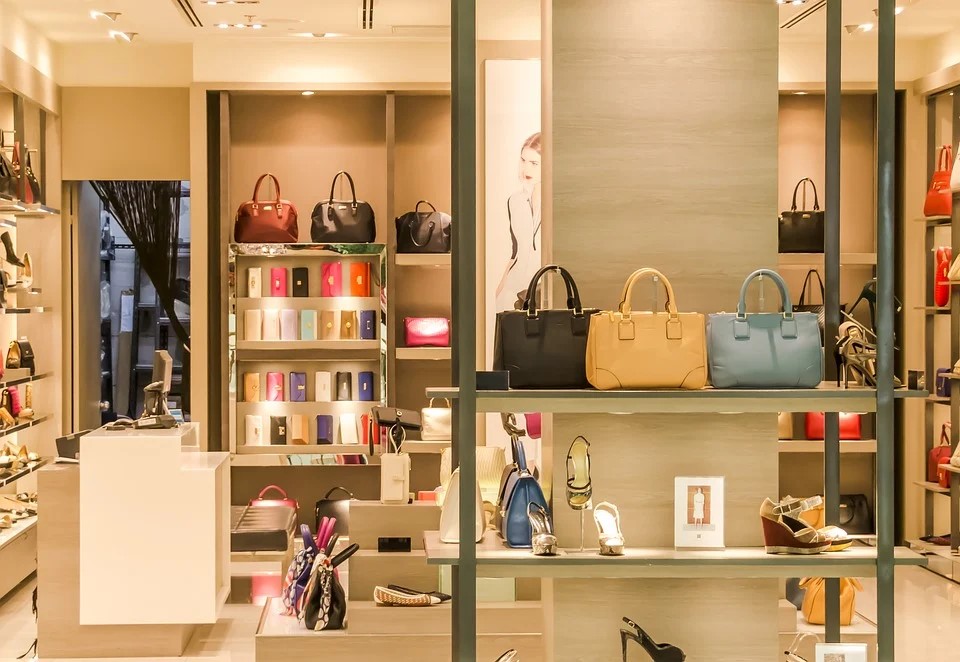
The global luxury market has expanded dramatically over the past two decades, reflecting growing wealth concentration and rising interest in premium investment opportunities. From contemporary art in New York and Paris to rare watches in Hong Kong and classic cars in London, affluent investors are actively participating in a worldwide marketplace of high-end collectibles.
Market Size and Growth
According to recent studies, the global luxury goods market exceeds $1.5 trillion annually, with investment-driven demand playing a significant role. High-net-worth individuals in the U.S., Europe, and Asia are increasingly seeking alternatives to traditional financial instruments, fueling growth in art, jewelry, rare vehicles, and collectible spirits.
Regional Trends
- North America: Strong market for art auctions, vintage watches, and luxury real estate-linked collectibles.
- Europe: Historic hubs for classic automobiles, fine art, and jewelry. Auction houses in London, Paris, and Geneva remain central to luxury investment trends.
- Asia: Rapidly growing appetite for premium goods, particularly in China, Hong Kong, and Singapore. Contemporary art, limited-edition handbags, and fine wines are increasingly sought-after.
Key Drivers of Demand
- Wealth Concentration: High-net-worth individuals and ultra-high-net-worth families drive premium asset markets.
- Scarcity and Prestige: Limited production increases demand and appreciation potential.
- Cultural Influence: Globalization has elevated brand awareness, creating cross-border investment opportunities.
- Alternative Asset Recognition: Investors increasingly view luxury goods as serious components of diversified portfolios.
Investment Categories
- Fine Art: Global auctions now generate billions annually.
- Rare Watches: Iconic models consistently achieve record prices at secondary markets.
- Classic Cars: Collectors worldwide compete for limited editions.
- Designer Handbags: Hermes, Chanel, and limited-edition pieces dominate secondary markets.
- Rare Wines and Spirits: Bordeaux, Burgundy, and high-end whiskey have become international investment commodities.
Case Studies:
- Sotheby’s and Christie’s auctions demonstrate consistent price appreciation for high-demand art and collectibles.
- Limited-edition Rolex watches in Hong Kong have sold for 50% above retail due to regional scarcity and collector demand.
Conclusion
The global luxury market presents unparalleled opportunities for affluent investors. Understanding regional trends, key drivers, and category-specific dynamics enables high-net-worth individuals to make informed decisions, positioning luxury assets as a cornerstone of a diversified and sophisticated portfolio.