Luxury mansion design evolves constantly, reflecting contemporary tastes, technological innovation and cultural influences. In 2026, several architectural styles dominate the high-end real estate market, blending aesthetics with functionality for the ultra-wealthy.
Minimalist Modernism
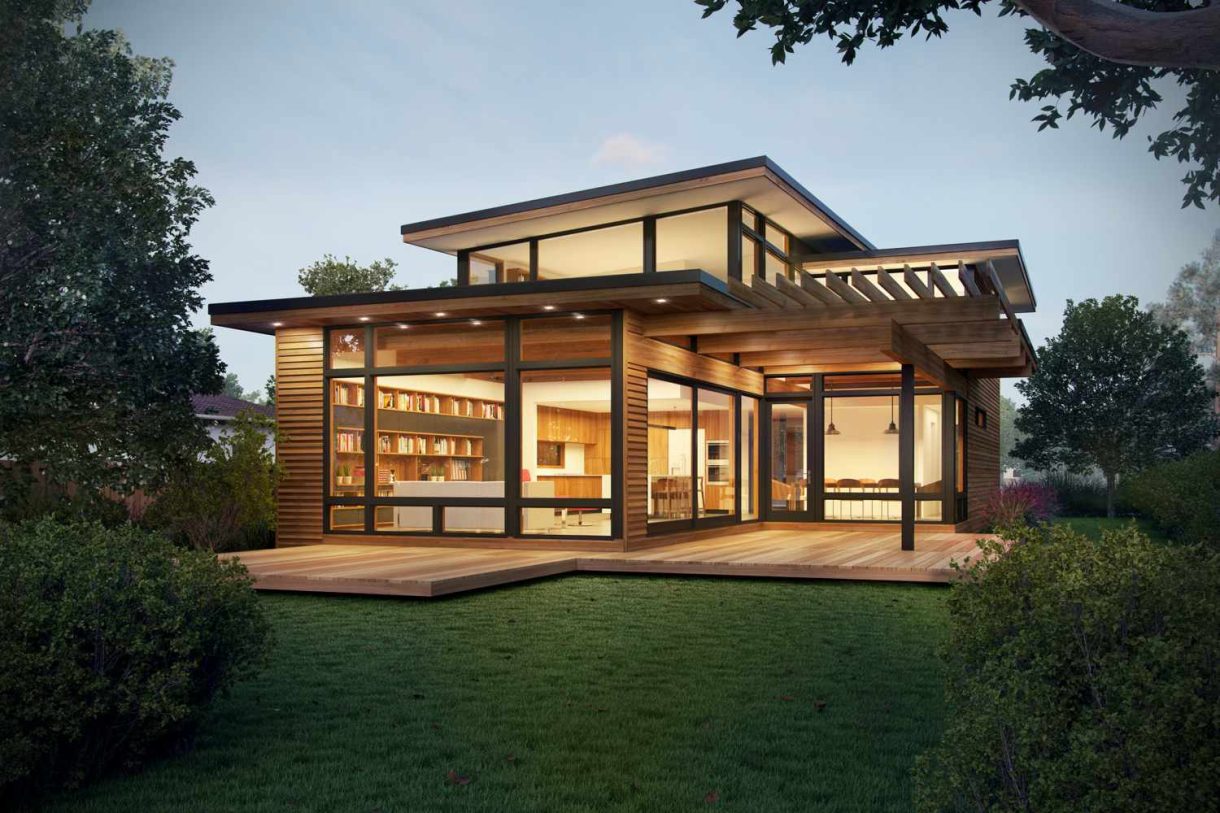
Minimalist designs focus on clean lines, open spaces and seamless indoor-outdoor integration. Large glass facades, neutral palettes and high-quality materials create calm, sophisticated environments that prioritize both aesthetics and functionality.
Neo-Classical Revival
Neo-classical architecture emphasizes symmetry, columns and grandeur. These estates often feature marble floors, sculpted facades and formal gardens, appealing to buyers who appreciate tradition combined with modern amenities.
Mediterranean and Coastal Styles
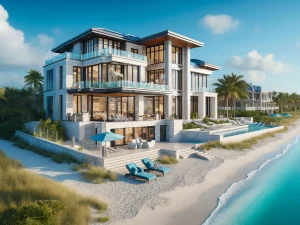
Mediterranean-inspired mansions remain popular, particularly in coastal regions. Terracotta roofs, arched windows, courtyards and vibrant landscaping create timeless elegance while supporting luxury outdoor living.
Futuristic and Smart Designs
Cutting-edge estates incorporate smart home technology, adaptive systems and sustainable materials. Futuristic mansions blend aesthetics with innovation, integrating AI-driven automation, energy efficiency and wellness features.
Conclusion
Modern architectural styles for luxury mansions in 2026 reflect diversity, innovation and personalization. From minimalism to neo-classical grandeur, these estates combine beauty, functionality and advanced technology to meet the evolving demands of affluent buyers.