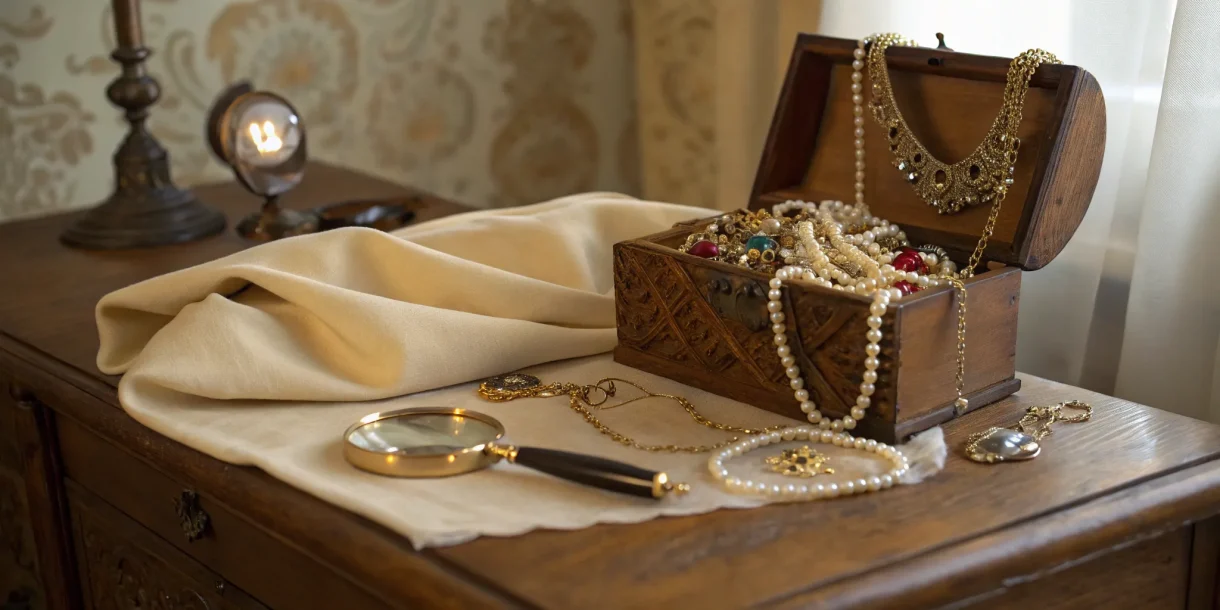
Vintage jewelry offers a unique combination of artistry, historical significance, and investment potential. For millionaires and collectors, acquiring pieces from previous eras provides not only aesthetic enjoyment but also tangible financial benefits. Success in this market requires knowledge, diligence and strategic evaluation.
Identifying valuable vintage jewelry begins with brand and craftsmanship. Maison names such as Cartier, Van Cleef & Arpels, Harry Winston, Graff, Boucheron and Tiffany & Co. signal high quality and enduring appeal. Vintage pieces from these maisons often feature distinctive design elements, rare gemstones and meticulous craftsmanship, making them highly collectible and likely to appreciate over time.
Provenance and documentation are critical in the vintage market. Pieces with verified ownership history – particularly those once owned by royalty, celebrities, or iconic collectors – command significant premiums. Auction records, archival photographs and certificates of authenticity enhance credibility, reassuring buyers about the legitimacy and quality of their acquisition.
Condition and restoration play key roles in investment value. Vintage jewelry should be carefully examined for damage, repairs, and authenticity. While minor restoration can preserve longevity, excessive alterations may diminish value. Expert appraisers and gemologists help ensure that vintage pieces retain both visual appeal and investment potential.
Gemstone quality is central to valuation. Diamonds, rubies, sapphires and emeralds sourced in earlier eras often have unique characteristics not commonly found in modern stones. Larger carat sizes, rich natural colors and superior clarity are hallmarks of high-value vintage gems. Collectors should seek certification from reputable laboratories to verify authenticity and assess investment potential.
Market trends influence the profitability of vintage jewelry. Demand from global high-net-worth individuals, auction results and emerging collector preferences all impact valuation. Vintage jewelry from specific periods – Art Deco, Edwardian and Belle Époque – often appreciates faster due to both rarity and cultural significance.
Finally, diversification strengthens a collection. Combining modern limited-edition pieces with historically significant vintage jewelry balances aesthetic satisfaction with financial security. Strategic acquisitions across eras, brands and gemstones provide both visual richness and long-term portfolio growth.
In conclusion, vintage jewelry offers sophisticated collectors a rare combination of beauty, history and investment potential. By prioritizing provenance, craftsmanship, gemstone quality and market trends, millionaires and investors can curate a collection that preserves cultural heritage while delivering long-term financial rewards. Vintage jewelry is not merely adornment – it is a legacy and a strategic asset.