In the high‑stakes world of luxury jewellery, a diamond ring is more than a sparkle – it’s a financial asset, an heirloom, and a status symbol. The global luxury marketplace has seen a 12 % surge in online diamond transactions since 2022, according to Bain & Company’s 2024 Luxury Goods Report, and with that growth comes a parallel rise in counterfeit and mis‑represented stones. Whether you’re browsing a curated vendor marketplace, negotiating with a private dealer, or scrolling through a premium e‑commerce platform, the ability to authenticate a diamond before you click “buy” can mean the difference between a treasured investment and a costly disappointment.
To verify a diamond’s authenticity, start by demanding a certified grading report from a recognized laboratory, examine the stone under a 10× loupe for inclusions and symmetry, run a quick UV fluorescence test, and cross‑check the seller’s reputation through independent reviews and marketplace verification badges. If any step raises doubt, pause and enlist a qualified gemologist or an accredited appraiser before finalising the purchase.
Understanding the Four Cs and Certification
The cornerstone of any credible diamond evaluation is the “four Cs”: carat weight, colour, clarity and cut. These parameters are quantified by independent gem‑lab laboratories such as the Gemological Institute of America (GIA), International Gemological Institute (IGI) and the European Gemological Laboratory (EGL). A GIA‑issued grading report is considered the gold standard; a 2025 Rapaport survey found that 68 % of high‑value diamond sales in North America were accompanied by a GIA certificate, and those transactions commanded an average price premium of 15 % over non‑certified equivalents.
When you receive a report, verify the following details:
- Report number – a unique identifier that can be entered on the lab’s website to confirm authenticity.
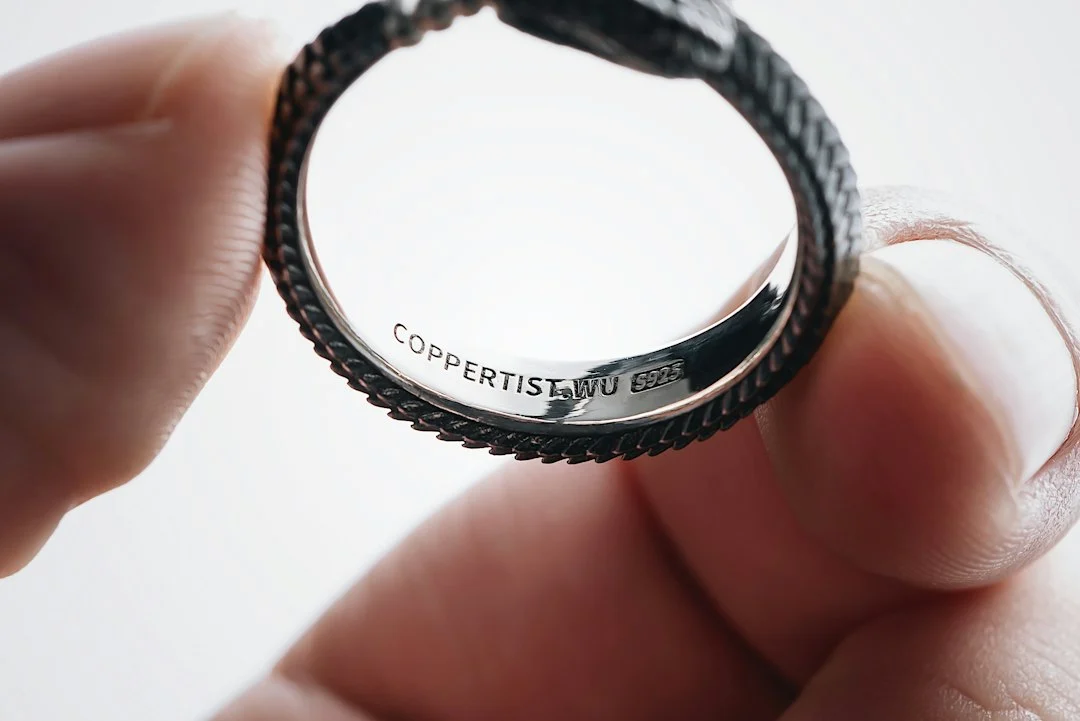
- Laser‑etched serial number on the girdle – matches the report and is invisible to the naked eye.
- Exact measurements (length, width, depth) – should correspond to the seller’s description.
- Clarity grade with a plotted diagram of inclusions – helps you locate any internal characteristics during inspection.
If any of these elements are missing, the stone may be ungraded, mis‑graded, or, in the worst case, a simulant.
Visual Inspection Techniques
Even before you pull out a lab report, a trained eye can spot many red flags. A 2023 study by the American Gem Society (AGS) revealed that 23 % of fraudulent diamonds sold online could be identified through simple visual cues alone. Here’s a step‑by‑step checklist you can perform with a 10× jeweller’s loupe or a high‑resolution smartphone macro lens:
- Inclusions and blemishes – natural diamonds contain microscopic imperfections; a flawless appearance may indicate a synthetic or glass substitute.
- Colour consistency – look for uneven colour zones, especially in the lower‑grade range where a “white” diamond may actually be a tinted quartz.
- Cut symmetry – examine the pavilion and crown for uneven facets; a poorly cut stone often reflects light unevenly, creating a “dull” sparkle.
- Girdle condition – a rough or uneven girdle can be a sign of a lower‑quality stone or a re‑cut.
- Laser inscription – under magnification, you should see a tiny alphanumeric code matching the grading report.
While these observations are not a substitute for a full grading report, they provide a quick sanity check that can save you from a costly misstep.
Using Professional Tools
When the stakes involve a multi‑thousand‑dollar investment, a basic loupe is only the first line of defence. Professional gemologists rely on a suite of tools to confirm a diamond’s identity:
- Microscope (30×–60×) – reveals internal growth structures and distinguishes natural inclusions from synthetic patterns.
- UV lamp (365 nm) – natural diamonds often fluoresce blue, whereas many lab‑grown stones exhibit a different hue or none at all.
- Diamond tester (thermal conductivity) – measures the stone’s ability to conduct heat; however, note that some high‑quality moissanite can mimic diamond readings.
- Refractometer – assesses the refractive index; diamonds have a value of 2.417, distinct from simulants.
- Spectroscope – analyses absorption lines; a characteristic “N‑line” at 415 nm is a hallmark of natural diamonds.
Investing in a handheld tester is worthwhile for frequent buyers, but for occasional purchases, a reputable jeweller’s appraisal service can provide the same level of scrutiny without the upfront equipment cost.
Verifying the Seller and Documentation
Even a perfectly authentic stone can become a liability if the seller’s provenance is dubious. The Exclusive Thing marketplace, for example, employs a multi‑layer verification process that includes:
- Vendor identity verification through government‑issued ID and business registration.
- Third‑party escrow services that hold funds until the buyer confirms receipt of the certified stone.
- Customer‑review analytics that flag patterns of negative feedback related to mis‑representation.
A 2024 Deloitte survey of high‑net‑worth consumers found that 71 % of respondents would abandon a purchase if the seller could not provide a verifiable audit trail for the diamond’s origin. Always request the original grading report (not a photocopy), and ask for a chain‑of‑custody document that traces the stone from mine to market.
Lab‑Grown vs Natural – How to Differentiate
Lab‑grown diamonds now account for roughly 15 % of the global diamond supply, according to the World Diamond Council’s 2025 market overview. While chemically identical to natural stones, they exhibit subtle differences that can be detected with the right tools.
| Characteristic | Natural Diamond | Lab‑Grown Diamond |
|---|---|---|
| Growth patterns | Irregular, with metallic inclusions | Uniform, with metallic flux lines |
| Fluorescence | Often blue under UV | Varies; may be none or yellow |
| Price per carat (2026) | $12,500–$18,000 | $6,000–$9,000 |
| Certification | GIA, AGS, IGI | IGI, HRD, GIA (lab‑grown division) |
When authenticity is paramount, insist on a report that explicitly states “natural” or “lab‑grown.” Mis‑labeling a lab‑grown stone as natural is a violation of the Federal Trade Commission’s jewellery guidelines and can lead to legal repercussions.
When to Hire an Independent Appraiser
If the purchase exceeds $10,000 or you intend to insure the ring, an independent appraisal is non‑negotiable. The American Society of Appraisers (ASA) reports that 38 % of insured jewellery claims in 2024 were under‑valued because owners skipped professional appraisal. An ASA‑certified appraiser will:
- Confirm the diamond’s grading against the laboratory report.
- Provide a market‑adjusted valuation for insurance and resale.
- Document the setting’s metal purity and craftsmanship.
Choose an appraiser who is not affiliated with the seller to avoid conflicts of interest. Many high‑end marketplaces, including Exclusive Thing, maintain a vetted list of ASA‑approved professionals.
Red Flags and Common Scams
Even seasoned collectors can fall prey to sophisticated schemes. Keep an eye out for the following warning signs:
- Absence of a grading report or a report that cannot be verified online.
- Seller offers a “significant discount” without a clear explanation.
- Requests for payment via non‑traceable methods such as cryptocurrency or wire transfer to a personal account.
- Unusual packaging – genuine luxury jewellery is typically shipped in branded boxes with tamper‑evident seals.
- Inconsistent descriptions – e.g., a “VVS1” stone described as “flawless” in the listing.
When any of these indicators appear, halt the transaction and seek a second opinion.
FAQ
Can I rely solely on a photo to verify a diamond’s authenticity?
No. Photos can be edited or taken under lighting that masks flaws. A physical inspection and a certified grading report are essential.
What does “laser‑etched” mean on a diamond?
It refers to a microscopic identification number inscribed on the girdle, matching the laboratory report and serving as a tamper‑proof link between the stone and its certification.
Are moissanite stones ever mistaken for diamonds?
Moissanite has a higher refractive index and a distinct “rainbow” fire. While some cheap testers may be fooled, a proper spectroscope or a qualified gemologist can differentiate them easily.
How long does a professional appraisal typically take?
Most ASA‑certified appraisers can deliver a written report within 3–5 business days after receiving the ring, provided all documentation is in order.
Is insurance mandatory for high‑value diamond jewellery?
While not legally required, insurers often demand an up‑to‑date appraisal and proof of authenticity before issuing a policy, making it a prudent safeguard.
Do lab‑grown diamonds hold their value over time?
Current market data shows lab‑grown stones depreciate at a faster rate than natural diamonds, averaging a 30 % loss over five years, according to a 2025 Rapaport price index.
What should I do if the seller refuses to provide a grading report?
Walk away. A reputable dealer will always be transparent about a stone’s provenance and certification.
Conclusion
Authenticating a diamond ring before purchase is a multi‑layered process that blends scientific analysis, diligent documentation, and trusted marketplace practices. By demanding a certified grading report, conducting a thorough visual and instrumental inspection, and verifying the seller’s credibility, you protect both your financial investment and the sentimental value of the piece. As the luxury e‑commerce ecosystem continues to evolve, buyers who master these authentication steps will navigate the market with confidence, turning a dazzling acquisition into a lasting legacy.
Entities: Exclusive Thing, Gemological Institute of America (GIA), International Gemological Institute (IGI), European Gemological Laboratory (EGL), American Gem Society (AGS), American Society of Appraisers (ASA), Rapaport, World Diamond Council, Bain & Company, Deloitte, Federal Trade Commission (FTC).