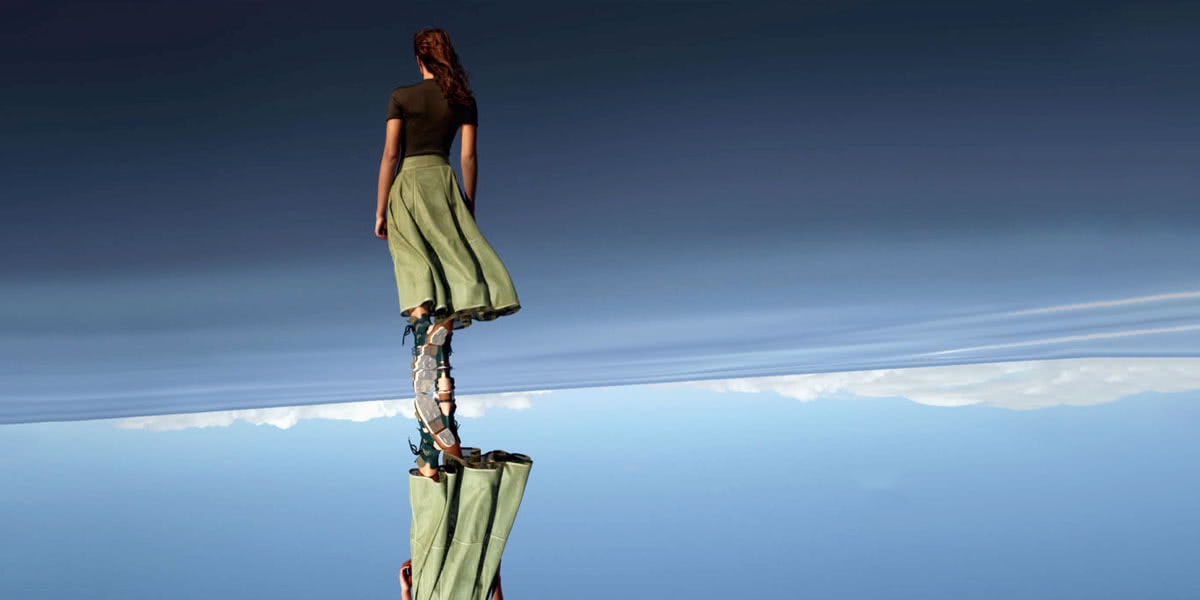
The concept of luxury has expanded beyond physical goods. Today’s wealthy consumers prioritize experiences that enrich their lives, challenge their perceptions, and create lasting emotional connections. Experiential luxury has become one of the fastest-growing sectors among the affluent, reshaping the meaning of living well.
Travel is at the forefront of experiential luxury. Affluent individuals seek private expeditions to remote regions, curated adventures led by experts, behind-the-scenes cultural immersions, and exclusive access to destinations closed to the general public. These journeys blend education, excitement, and comfort in entirely new ways.
Gastronomy has also evolved into an experiential art form. Private dining events with Michelin-star chefs, immersive culinary journeys, and rare ingredient tastings represent a deeper engagement with food culture. For many wealthy individuals, these experiences serve as intellectual and social enrichment.
Wellness has undergone a major transformation. Luxury consumers invest in holistic programs that combine medical diagnostics, biohacking tools, spiritual guidance, and personalized fitness systems. These experiences focus not on indulgence but on longevity and peak performance.
Experiential luxury also extends to personal development. Affluent clients participate in private masterclasses with world experts, bespoke art workshops, and mentorship retreats. The desire for self-growth has become a defining trait of modern wealth.
What sets experiential luxury apart is its emotional resonance. Physical products may lose novelty over time, but transformative experiences shape identity, build memories, and enhance life satisfaction.
As the world becomes increasingly digital, experiential luxury will continue to thrive. It represents the ultimate commodity for the wealthy: meaningful time.