The world of fine art, sculptures, and rare collectibles is a fascinating realm that has captivated the imagination of many. For those who are new to this world, it can be daunting to navigate the complexities of buying and investing in these unique assets. However, with the right guidance, anyone can develop an appreciation for the art of collecting and make informed decisions when it comes to purchasing and investing in these valuable items.
To get started, it’s essential to understand that collecting fine art, sculptures, and rare collectibles is not just about accumulating valuable objects, but also about appreciating the cultural, historical, and aesthetic significance they hold. According to a report by Deloitte, the global art market was valued at over $67 billion in 2020, with the online art market expected to reach $10 billion by 2025.
Introduction to the Art Market
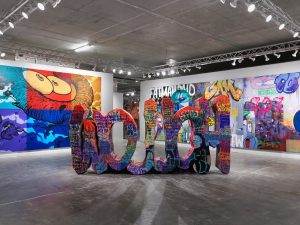
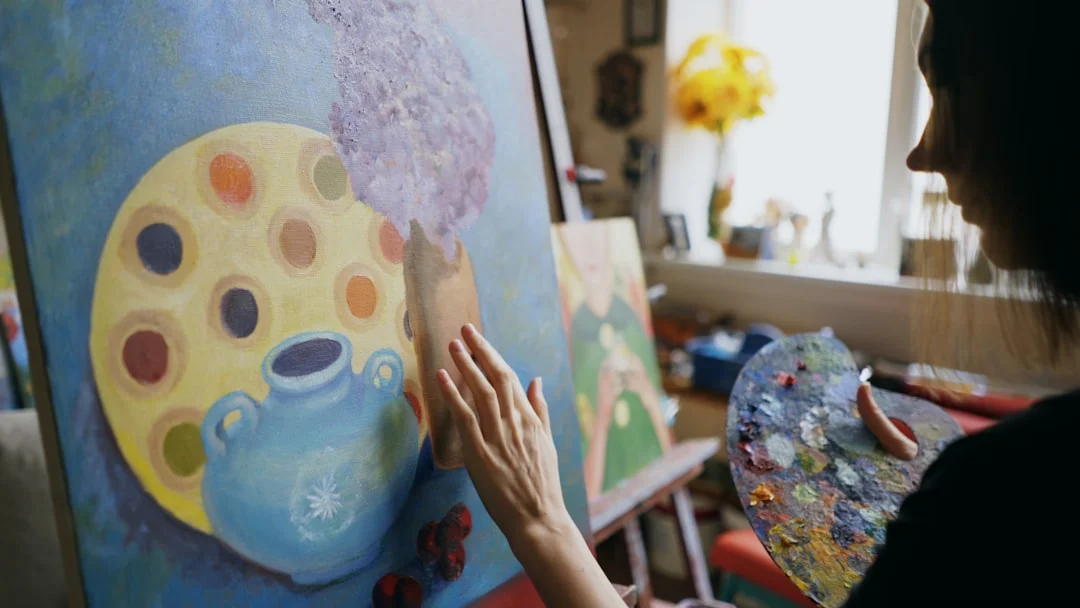
The art market is a complex and multifaceted industry, with various players, including artists, galleries, dealers, auction houses, and collectors. To navigate this market, it’s crucial to have a basic understanding of the different types of art, including fine art, sculptures, and rare collectibles. Fine art refers to creative works produced by skilled artists, such as paintings, prints, and photographs. Sculptures, on the other hand, are three-dimensional artworks created using various materials, including marble, bronze, and wood. Rare collectibles, including antiques, coins, and stamps, are highly sought after by collectors due to their historical significance and rarity.
When it comes to buying and investing in fine art, sculptures, and rare collectibles, it’s essential to consider several factors, including the artist’s reputation, the artwork’s condition, and its provenance. According to a report by Art Market Monitor, the top five most valuable artists in 2020 were Pablo Picasso, Warhol, Monet, Van Gogh, and Francis Bacon, with their works selling for millions of dollars at auction.
Collecting fine art, sculptures, and rare collectibles can be a rewarding hobby, but it requires a significant amount of research, patience, and dedication. Whether you’re a seasoned collector or just starting out, it’s essential to stay up-to-date with the latest market trends and developments.
Understanding Art Market Trends
The art market is constantly evolving, with new trends and styles emerging every year. To stay ahead of the curve, it’s essential to follow art market news, attend exhibitions and auctions, and network with other collectors and industry professionals. According to a report by Artnet, the online art market has experienced significant growth in recent years, with online sales increasing by 20% in 2020 compared to the previous year.
Some of the key trends currently shaping the art market include:
- Sustainability: With the growing awareness of environmental issues, many collectors are looking for art that is created using sustainable materials and practices.
- Diversity and inclusion: The art market is becoming more diverse, with a growing number of artists from underrepresented communities gaining recognition.
- Digital art: The rise of digital art has opened up new opportunities for artists and collectors, with many online platforms and marketplaces emerging to cater to this growing demand.
Investing in Fine Art
Investing in fine art can be a lucrative venture, but it requires a thorough understanding of the market and the artwork itself. According to a report by Barron’s, fine art has outperformed many other asset classes in recent years, with some artworks increasing in value by as much as 500%.
To invest in fine art, it’s essential to consider several factors, including:
| Factor | Consideration |
|---|---|
| Artist’s reputation | The artist’s reputation and track record can significantly impact the artwork’s value. |
| Artwork’s condition | The artwork’s condition, including its age, rarity, and state of preservation, can affect its value. |
| Provenance | The artwork’s provenance, including its ownership history and exhibition record, can impact its value and authenticity. |
Building a Collection
Building a collection of fine art, sculptures, and rare collectibles requires patience, dedication, and a clear understanding of the market. According to a report by Christie’s, the average collector spends around $10,000 per year on art, with many collectors building their collections over several decades.
To build a collection, it’s essential to:
- Set a budget: Determine how much you are willing to spend on art and stick to your budget.
- Research and educate yourself: Learn about different types of art, artists, and market trends to make informed purchasing decisions.
- Work with reputable dealers and galleries: Establish relationships with trustworthy dealers and galleries to ensure you are buying authentic and high-quality artworks.
FAQ
What is the best way to start collecting fine art?
Start by researching different types of art, artists, and market trends. Visit galleries, exhibitions, and auctions to get a sense of the market and what you like.
How do I know if an artwork is authentic?
Work with reputable dealers and galleries, and always ask for documentation, including certificates of authenticity and provenance.
What is the difference between a print and an original artwork?
A print is a reproduction of an original artwork, while an original artwork is a unique, one-of-a-kind piece created by the artist.
How do I care for and maintain my art collection?
Follow the recommended conservation and framing practices, and store your artworks in a cool, dry place, away from direct sunlight.
Can I sell my art collection?
Yes, you can sell your art collection, but it’s essential to work with a reputable dealer or auction house to ensure you get a fair price.
In conclusion, collecting fine art, sculptures, and rare collectibles is a complex and rewarding hobby that requires dedication, patience, and a thorough understanding of the market. By staying up-to-date with the latest trends and developments, working with reputable dealers and galleries, and following best practices for conservation and maintenance, you can build a valuable and meaningful collection that brings you joy and appreciation for years to come. With the global art market expected to continue growing, now is the perfect time to start or expand your collection, and Exclusive Thing is here to provide you with the expertise and resources you need to make informed purchasing decisions and navigate the world of luxury goods, including fine art, sculptures, rare collectibles, luxury watches, fine jewelry, and premium fashion.