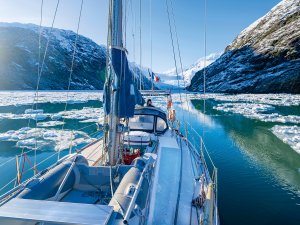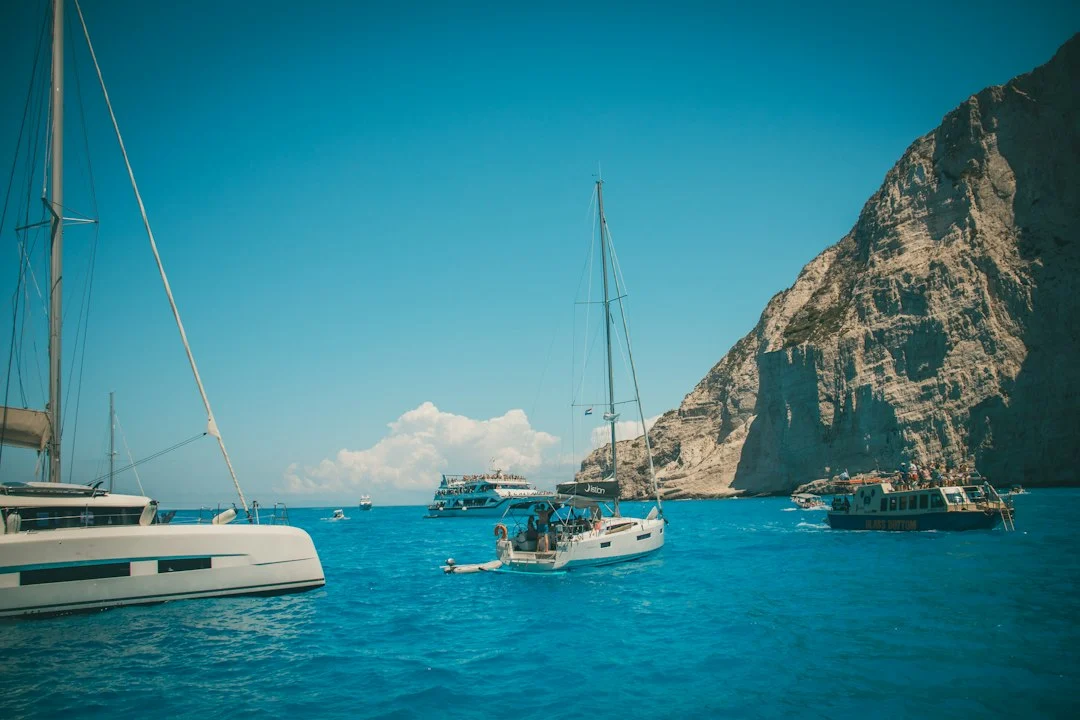
As the luxury marine sector grapples with climate scrutiny, discerning the true differences between carbon-neutral yacht charters and the classic superyacht experience has become a priority for the affluent traveler. While both promise exclusivity, privacy, and unrivaled service, their environmental footprints, operational models, and long-term value propositions diverge in ways that can reshape a high-net-worth lifestyle.
Carbon-neutral yacht charters aim to balance emissions through renewable fuels, carbon offsets, and sustainable onboard practices, whereas traditional superyachts rely on conventional diesel power and legacy supply chains, resulting in a markedly higher ecological impact.
Defining the Two Models
Carbon-Neutral Yacht Charters
These charters are built around a commitment to net-zero emissions for the duration of the voyage. Operators typically employ hybrid propulsion systems, bio-fuels, or fully electric drives, and they purchase verified carbon credits to offset any residual output. The crew is trained to minimize waste, use biodegradable products, and source locally-grown, organic provisions.
Traditional Superyacht Ownership and Charter
Conventional superyachts are engineered for maximum speed, luxury, and customisation, often powered by large diesel engines and equipped with extensive onboard amenities that demand significant energy. Maintenance, fueling, and provisioning follow established industry practices that do not prioritise carbon accounting.
Key Operational Differences
- Propulsion technology: Hybrid or electric vs. diesel-only.
- Fuel sourcing: Renewable bio-fuel or green electricity vs. fossil-derived marine diesel.
- Waste management: Closed-loop recycling and composting vs. standard marine waste disposal.
- Carbon accounting: Real-time monitoring and offset purchases vs. minimal tracking.
- Guest experience: Eco-focused itineraries and educational components vs. purely leisure-driven routes.
Environmental Impact Assessment
When evaluating ecological responsibility, the contrast is stark. A carbon-neutral charter strives to eliminate the bulk of greenhouse gases emitted during cruising, often achieving this through a combination of low-emission engines and offset schemes that fund reforestation or renewable projects. In contrast, a traditional superyacht typically generates a substantial carbon plume, especially during high-speed passages, and its larger crew and service requirements increase overall resource consumption.
Cost Structure and Value
At first glance, the price tag of a carbon-neutral charter may appear comparable to a traditional charter of similar size, but the underlying cost drivers differ. Sustainable fuel and offset purchases add a premium, yet these expenses are often offset by lower maintenance demands of electric drivetrains and the growing market for green luxury experiences, which can command higher charter rates. Traditional superyachts, while benefitting from mature supply chains, incur higher long-term operational costs due to fuel consumption, engine overhauls, and regulatory compliance related to emissions.
Guest Experience: Luxury Meets Sustainability
Luxury travellers increasingly value authenticity and purpose alongside comfort. Carbon-neutral charters integrate sustainability into the itinerary: guests may visit marine protected areas, participate in beach clean-ups, or attend onboard briefings on ocean health. The interior design often incorporates reclaimed wood, natural fibres, and low-VOC finishes, reinforcing the eco-conscious narrative.
Traditional superyachts, on the other hand, excel in offering unfettered opulence—sprawling decks, helipads, and bespoke amenities such as private cinemas or submarines. The emphasis is on sheer indulgence without the educational or environmental overlay.
Regulatory Landscape and Future Trends
International maritime regulations are gradually tightening emissions standards. The IMO’s strategy for reducing greenhouse gases is prompting many shipbuilders to explore hybrid and electric solutions. Carbon-neutral charter operators are positioned to meet upcoming compliance with less retrofitting, whereas traditional superyacht owners may need to invest heavily in engine upgrades or alternative fuels to stay compliant.
Looking ahead, the market is likely to see a rise in hybrid superyacht builds that blend the performance of traditional vessels with the sustainability of newer technologies. Early adopters of carbon-neutral charters could benefit from brand cachet and the goodwill associated with responsible luxury.
Qualitative Comparison Table
| Aspect | Carbon-Neutral Charter | Traditional Superyacht |
|---|---|---|
| Propulsion | Hybrid/electric, renewable fuels | Diesel engines |
| Emissions | Offset to net-zero | Significant CO₂ output |
| Fuel Cost | Higher per litre but offset by efficiency | Lower per litre, higher volume |
| Maintenance | Simpler electric systems | Complex engine upkeep |
| Guest Narrative | Eco-education, sustainable luxury | Pure indulgence |
| Regulatory Risk | Low, proactive compliance | Higher, potential retrofits |
How to Choose the Right Option
Prospective charterers should assess their priorities across three dimensions: environmental ethos, desired level of extravagance, and long-term financial outlook. Below is a step-by-step framework to guide the decision:
- Clarify values: Determine how much weight you place on carbon responsibility versus traditional luxury markers.
- Evaluate itinerary: If your route includes ecologically sensitive regions, a carbon-neutral vessel may provide better access and stewardship.
- Assess budget flexibility: Consider whether you can absorb higher upfront fuel or offset costs for the sustainability payoff.
- Inspect vessel specifications: Request detailed propulsion and waste-management data from the charter operator.
- Consider brand alignment: Align your choice with personal or corporate branding that may benefit from a green image.
Case Illustrations
Imagine a Mediterranean summer charter. A carbon-neutral vessel glides silently into the Amalfi Coast, powered by a battery bank recharged at a shore-side solar hub. Guests enjoy a curated menu of locally sourced seafood, and the crew conducts a brief on the region’s marine biodiversity. The experience feels intimate, purposeful, and subtly exclusive.
Contrast that with a traditional superyacht cruising the same coastline at high speed, its powerful engines cutting through the water while a private helicopter shuttles guests to exclusive villas. The focus is on speed, space, and spectacle, delivering an unmistakable aura of power and prestige.
Potential Drawbacks and Mitigations
Carbon-neutral charters are still emerging, meaning the pool of available vessels may be limited and certain ultra-luxury features—such as large-scale water toys—might be absent. However, operators are rapidly expanding their fleets and integrating innovative amenities like silent-run electric tenders.
Traditional superyachts, while offering unmatched grandeur, face growing scrutiny from environmentally conscious peers and may encounter future port restrictions or higher taxes tied to emissions. Owners can mitigate these risks by retrofitting hybrid modules or participating in voluntary offset programmes.
Impact on the Luxury Market
The shift toward greener marine experiences is influencing buyer behaviour across the high-net-worth segment. Wealthy clients are beginning to view sustainability as an extension of personal brand equity, much like owning a bespoke electric vehicle. Consequently, charter brokers and yacht builders are incorporating green credentials into their sales narratives, and premium travel advisors are recommending carbon-neutral options alongside classic superyacht itineraries.
Conclusion
Choosing between a carbon-neutral yacht charter and a traditional superyacht hinges on how a discerning client balances ecological conscience with the desire for unbridled opulence. While the former offers a forward-thinking, low-impact voyage that aligns with emerging regulatory and societal expectations, the latter continues to deliver the ultimate in lavish performance. As the industry evolves, the most compelling experiences will likely blend the best of both worlds—marrying cutting-edge sustainable technology with the timeless allure of luxury at sea.
FAQ
What makes a yacht charter carbon-neutral?
It uses low-emission propulsion, sources renewable fuel or electricity, and purchases verified carbon offsets to balance any remaining emissions.
Can a traditional superyacht be retrofitted to reduce its carbon footprint?
Yes, owners can install hybrid drives, switch to bio-fuels, or join offset programmes, though such upgrades may involve significant investment.
Do carbon-neutral charters offer the same level of onboard amenities as traditional superyachts?
Many provide comparable luxury, though some ultra-large water toys may be limited; however, the industry is rapidly expanding its eco-friendly amenity options.
How do carbon offsets work for yacht charters?
Offsets fund projects that remove or avoid carbon emissions, such as reforestation or renewable energy installations, effectively cancelling out the charter’s residual emissions.
Is the cost of a carbon-neutral charter higher than a conventional charter?
The price can be similar, with higher fuel or offset costs balanced by efficiencies in electric systems and the premium placed on sustainable experiences.
Will future regulations affect traditional superyacht operations?
Increasing emissions standards may require owners to adopt cleaner technologies or face higher compliance costs, making sustainability a strategic consideration.
Are there specific destinations that favor carbon-neutral vessels?
Eco-sensitive areas such as marine reserves or ports with strict emission controls often give preference to low-impact vessels, enhancing access for green charters.