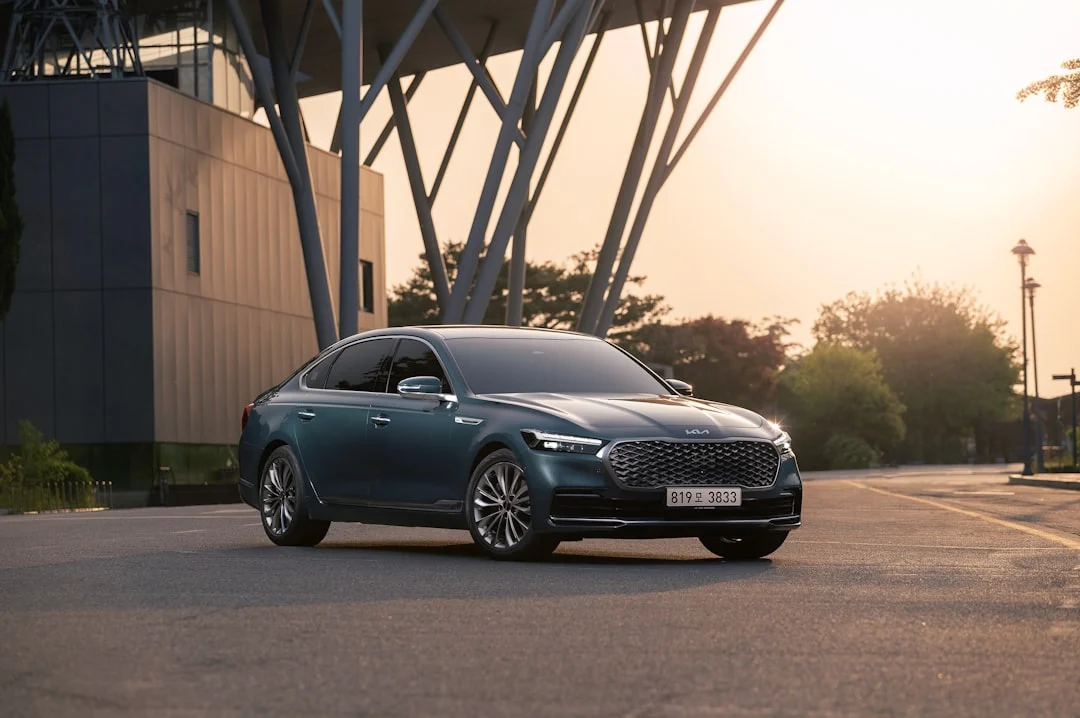
City streets have become the proving ground for a new generation of high‑end electric automobiles. The affluent commuter no longer has to choose between a plush interior and zero‑emission credentials; today’s premium EVs deliver both opulence and the agility required to navigate congested avenues, limited parking spaces, and ever‑changing traffic patterns. As municipalities tighten emissions standards and upscale neighborhoods demand quieter, cleaner streets, the market for electric luxury cars tailored to urban life has exploded, forcing discerning buyers to weigh performance, technology, and brand prestige against practical considerations such as charging availability and maneuverability.
For the metropolitan professional who values both status and sustainability, the ideal electric high‑end vehicle blends a compact footprint with a sumptuous cabin, offers rapid charging that fits a busy schedule, and carries a brand cachet that signals success without compromising the city’s push toward greener mobility.
Why electric high‑end vehicles are reshaping urban mobility
In 2025, BloombergNEF reported that electric vehicle registrations in the world’s top 50 metropolitan areas rose by 38 % year‑over‑year, outpacing suburban growth by a full 22 %. The surge is driven not only by regulatory pressure but also by a cultural shift among affluent consumers who view sustainable transportation as an extension of their personal brand. A McKinsey Global Institute study released in early 2026 found that 62 % of high‑net‑worth individuals now consider a vehicle’s carbon footprint a decisive factor when making a purchase, up from 48 % just three years earlier.
Beyond the environmental narrative, electric powertrains provide tangible advantages for city driving. Instant torque eliminates the need for frequent gear changes, making stop‑and‑go traffic feel less taxing. Regenerative braking recovers energy on every deceleration, extending range in the stop‑heavy environments typical of downtown corridors. Moreover, the near‑silent operation of electric drivetrains aligns with municipal noise ordinances, allowing owners to glide through residential districts without disturbing neighbors.
Key criteria for the urban executive
Choosing the perfect electric luxury sedan for city use requires a balanced checklist that goes beyond headline horsepower figures. Below are the most critical parameters, each weighted according to the demands of metropolitan life.
- Compact dimensions: A wheelbase under 3,000 mm and overall length below 5,000 mm ensure easier navigation through narrow streets and tighter parking spaces.
- Range efficiency: While long‑distance capability remains valuable, a realistic urban range of 250–300 miles (400–480 km) is sufficient for daily commutes and occasional weekend trips.
- Charging speed: Access to DC fast‑charging that can replenish 80 % of the battery in under 30 minutes minimizes downtime during lunch breaks or after‑work errands.
- Interior luxury: Premium materials, advanced ambient lighting, and cutting‑edge infotainment systems reinforce the vehicle’s status appeal.
- Technology suite: Adaptive cruise control, traffic‑jam assist, and high‑resolution mapping are essential for reducing driver fatigue in dense traffic.
- Brand prestige: Ownership of a recognized luxury marque continues to serve as a social signal in high‑end circles.
- Resale outlook: Strong residual values protect the investment and reflect confidence in the model’s long‑term relevance.
Top contenders in 2026
Several manufacturers have launched electric flagships that directly address the urban executive’s checklist. Below we examine the most compelling options, highlighting how each model interprets the balance between elegance and practicality.
Mercedes‑EQ EQS Sedan
The EQS remains the benchmark for a refined electric sedan. Its 2,980 mm wheelbase and 4,950 mm overall length place it comfortably within the “compact luxury” sweet spot. A 107.8 kWh battery delivers an EPA‑rated 350 miles (563 km) of range, while the 200 kW DC fast‑charging capability adds 80 % charge in 22 minutes. Inside, the “Hyperscreen” OLED panel stretches across the dashboard, offering a seamless blend of navigation, media, and vehicle controls. The cabin’s Nappa leather and optional wood‑grain trim reinforce the brand’s heritage of craftsmanship.
Porsche Taycan Cross Turismo
Porsche’s answer to the city‑centric market is the Cross Turismo, a wagon‑styled EV that combines sportiness with a slightly higher ride height for easier ingress. Its 2,995 mm wheelbase and 4,970 mm length keep it maneuverable, while the 93.4 kWh pack yields 300 miles (483 km) of range. The 270 kW fast‑charging system restores 80 % capacity in just 18 minutes. Porsche’s infotainment system, powered by the latest PCM 4.0, integrates voice‑activated controls and a 12.9‑inch touchscreen, while the interior features Alcantara and brushed aluminum accents.
Tesla Model S Plaid
Although traditionally a longer sedan, Tesla’s 2026 refresh trims the Model S to a 4,970 mm length, shaving off a few centimeters for better city fit. The Plaid variant boasts 1,020 hp and a 0‑60 mph sprint in 1.99 seconds, but more relevant for urban dwellers is its 390 miles (628 km) range and 250 kW Supercharger network that can add 200 miles in 15 minutes. The minimalist interior, highlighted by a 17‑inch central display, offers over‑the‑air updates that keep the cabin tech‑forward without the need for dealer visits.
Lucid Air Grand Touring
Lucid’s flagship model pushes the envelope on efficiency. With a 118 kWh battery, the Grand Touring reaches 512 miles (824 km) on a single charge—far beyond urban needs, but its 1,111 hp powertrain delivers a silky, quiet ride that feels more like a chauffeur‑driven limousine than a sports sedan. The vehicle’s length of 5,040 mm is slightly larger, yet its 2,950 mm wheelbase and advanced driver‑assist suite make lane changes and parking effortless. Fast‑charging at 300 kW adds 300 miles in 20 minutes.
BMW i7
BMW’s i7 blends the classic sedan silhouette with a 4,970 mm overall length and a 2,970 mm wheelbase, offering a comfortable cabin that rivals its internal‑combustion predecessor. The 101.7 kWh battery provides 300 miles (483 km) of range, while the 200 kW fast‑charging capability restores 80 % in 24 minutes. The i7’s “Executive Lounge” package adds rear‑seat massaging, a mini‑fridge, and a 22‑speaker Bowers & Wilkins sound system, catering to executives who often travel with a personal assistant or client.
Audi e‑tron GT
Audi’s e‑tron GT delivers a sleek, coupe‑like silhouette that turns heads on any boulevard. Its 2,985 mm wheelbase and 4,950 mm length keep it agile, while the 93.4 kWh pack offers 280 miles (450 km) of range. The 210 kW DC fast‑charging system reaches 80 % in 22 minutes. Inside, the Virtual Cockpit plus a dual‑screen infotainment layout provide a driver‑centric experience, and the optional “S line” interior package adds sport seats wrapped in Valcona leather.
Performance vs practicality: a side‑by‑side comparison
| Model | Length (mm) | Range (EPA) | Fast‑charge (80 % time) | Power (hp) | Base Price (USD) |
|---|---|---|---|---|---|
| Mercedes‑EQ EQS | 4,950 | 350 mi | 22 min | 516 | 115,000 |
| Porsche Taycan Cross Turismo | 4,970 | 300 mi | 18 min | 562 | 124,000 |
| Tesla Model S Plaid | 4,970 | 390 mi | 15 min (200 mi) | 1,020 | 135,000 |
| Lucid Air Grand Touring | 5,040 | 512 mi | 20 min | 1,111 | 159,000 |
| BMW i7 | 4,970 | 300 mi | 24 min | 536 | 119,000 |
| Audi e‑tron GT | 4,950 | 280 mi | 22 min | 590 | 112,000 |
The table illustrates that while the Lucid Air offers unmatched range, its larger footprint may be a drawback in tight city alleys. Conversely, the Porsche Taycan Cross Turismo provides the quickest 80 % charge, a decisive advantage for executives who need to top up between meetings.
Charging infrastructure and ownership economics in the city
Urban centers are rapidly expanding their high‑power charging networks. According to the International Energy Agency’s 2026 Global EV Outlook, the number of 150 kW+ public chargers in major metros increased by 45 % between 2023 and 2025, reaching an average of 1.8 chargers per 1,000 residents. In New York City, the average cost of a fast‑charge session is $0.13 per kWh, according to Statista’s 2026 pricing survey, translating to roughly $15 for an 80 % top‑up on a 100 kWh pack.
When factoring in maintenance, electric drivetrains typically incur 30 % lower service costs than comparable gasoline models, per a 2025 J.D. Power reliability study.