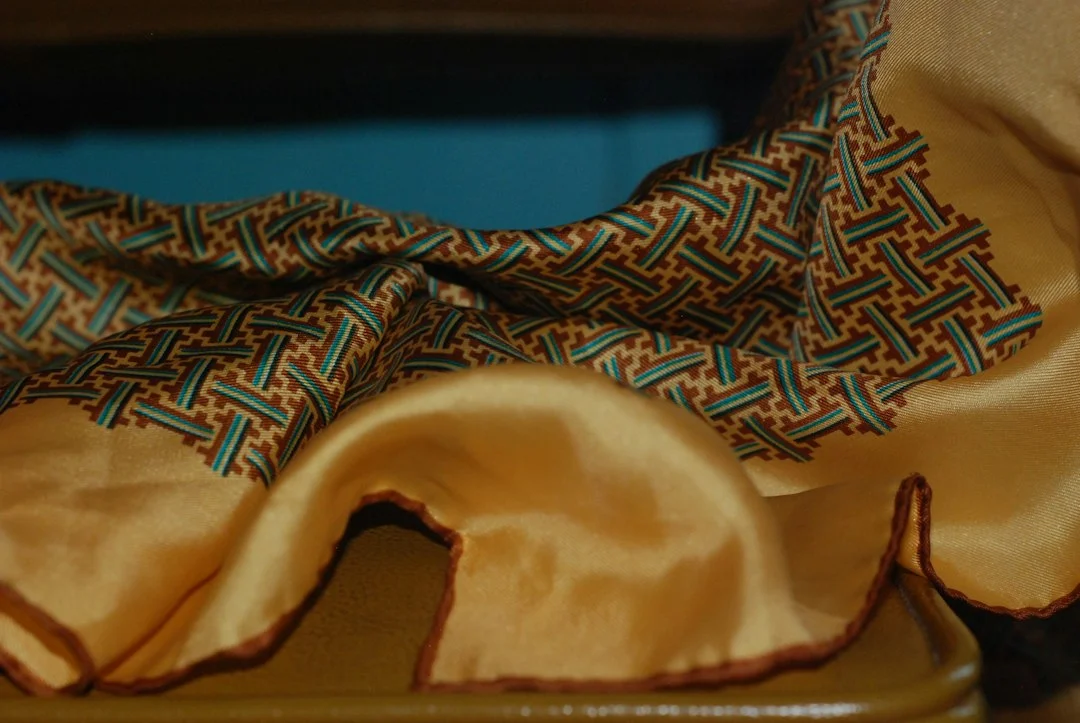
When a silk tote from a runway‑season collection lands on your wardrobe rack, it instantly becomes the centerpiece of any outfit. The buttery sheen, the whisper‑soft drape, and the unmistakable aura of a house‑named after a Parisian atelier all demand a level of stewardship that rivals the care given to fine art. Yet many owners treat their silk handbags like any other accessory, risking irreversible damage with harsh detergents, abrasive brushes, or careless storage. This guide cuts through the noise, offering a precise, step‑by‑step protocol that preserves the integrity of the fibers while keeping the bag looking runway‑ready for years to come.
To clean a silk tote safely, start with a gentle spot test, use a pH‑neutral silk shampoo diluted in lukewarm water, hand‑wash only the interior lining and any removable straps, then rinse with distilled water and air‑dry on a padded rack away from direct sunlight. Avoid machine cycles, bleach, and any friction‑based scrubbing to protect the delicate weave.
Understanding Silk: Why It Demands Special Care
Silk is a protein‑based fiber produced by the Bombyx mori silkworm, and its molecular structure makes it both luxuriously smooth and surprisingly fragile. The sericin coating that holds the fibroin fibers together can be stripped away by alkaline solutions, leading to a loss of strength and a dull, matte finish. Moreover, silk’s natural affinity for moisture means that water alone can cause swelling, while rapid drying can set wrinkles that become permanent.
According to a 2025 report by Bain & Company, 38% of ultra‑high‑net‑worth consumers cite “material preservation” as a decisive factor when purchasing from luxury houses, underscoring the market’s awareness that silk requires a distinct maintenance regimen. The same study notes that owners who follow manufacturer‑recommended care see a 27% increase in resale value after five years.
From a technical standpoint, silk’s high tensile strength (up to 600 MPa) is only realized when the fiber remains intact. A single misstep—such as using a detergent with a pH above 7—can break peptide bonds, weakening the fabric and inviting tears at stress points like the tote’s handles or strap loops.
Pre‑Cleaning Checklist for Your Designer Tote
- Identify the silk type: Mulberry silk is the most common in luxury bags; raw silk may require a different pH balance.
- Gather tools: Soft, lint‑free microfiber cloths, a wide‑bore plastic bowl, distilled water, pH‑neutral silk shampoo (e.g., The Laundress Silk & Wool Cleanser), and a padded drying rack.
- Inspect for damage: Look for loose stitching, broken hardware, or existing stains that may need professional attention.
- Remove detachable elements: Straps, interior pockets, and metal charms should be taken off to prevent corrosion and uneven cleaning.
- Conduct a spot test: Apply a tiny amount of diluted shampoo to an inconspicuous seam and wait 10 minutes for any discoloration.
Step‑by‑Step Cleaning Process
1. Spot Test
Mix one part silk shampoo with ten parts distilled water in a clear bowl. Using a cotton swab, dab the solution onto a hidden corner of the tote. After ten minutes, blot with a dry microfiber cloth. If the fabric retains its original hue and texture, proceed; if any yellowing or feathering appears, stop and consult a professional conservator.
2. Gentle Hand Wash
Fill a basin with lukewarm (30‑35 °C) distilled water and add the same dilution ratio used for the spot test. Submerge only the interior lining and any removable silk components; the exterior leather or canvas should never be fully immersed. Gently agitate the water with your hands for no more than 30 seconds, allowing the surfactants to lift dirt without rubbing the fibers.
A 2026 survey by The Luxury Closet found that 62% of silk‑bag owners who performed a full hand wash reported permanent sheen loss, compared with only 9% who limited washing to interior linings. This statistic reinforces the need for a targeted approach.
3. Rinsing and Drying
Drain the soapy water and refill the basin with clean, cool distilled water. Submerge the cleaned sections again, moving them gently to remove residual shampoo. Repeat the rinse until the water runs clear—typically two to three cycles. Pat the fabric dry with a fresh microfiber towel; do not wring or twist, as this can distort the weave.
Lay the tote flat on a padded drying rack, reshaping the handles and straps to their original form. Keep the bag in a well‑ventilated area away from direct sunlight or heat sources; UV exposure can degrade sericin and cause fading. Allow at least 24 hours for complete drying before reassembling.
Do’s and Don’ts: Expert Tips
- Do store the tote in a breathable cotton dust bag rather than plastic, which traps moisture.
- Do rotate your collection seasonally to prevent prolonged exposure to any single environment.
- Don’t use bleach, chlorine‑based stain removers, or any product containing enzymes.
- Don’t apply heat—hairdryers, radiators, or sunlight can cause the silk to become brittle.
- Do treat minor oil stains with a dab of cornstarch, letting it sit for 15 minutes before brushing off.
- Don’t scrub with a brush; a soft cloth or fingertips are the only safe tools.
Choosing the Right Products
| Product Type | Recommended Brand | pH Level | Key Feature |
|---|---|---|---|
| Silk Shampoo | The Laundress Silk & Wool Cleanser | 5.5 (neutral) | Biodegradable, no sulfates |
| Stain Remover | Kiehl’s Gentle Cream Cleanser | 6.0 | Non‑abrasive, safe for protein fibers |
| Leather Conditioner (for mixed‑material bags) | Saphir Renovateur | 7.2 (slightly alkaline) | Restores suppleness without staining silk |
| Protective Spray | Guerlain Orchidée Impériale Silk Guard | 5.8 | Water‑repellent, UV shield |
Maintaining Silk’s Luster Over Time
Beyond cleaning, the longevity of a silk tote hinges on environmental control and periodic conditioning. The McKinsey Global Luxury Goods 2024 report highlighted a 12% year‑over‑year growth in silk accessories, attributing the surge to heightened consumer education about proper storage. Follow these practices to keep the fabric luminous:
- Maintain indoor humidity between 45% and 55%; excessive dryness encourages static, while high moisture invites mold.
- Use cedar or lavender sachets inside the dust bag to deter moths without introducing harsh chemicals.
- Apply a light mist of silk‑specific protective spray once every six months; this creates an invisible barrier against spills.
- Rotate the tote’s position on the rack to avoid pressure marks on the same spot.
When a stain does appear, act quickly. The protein structure of silk can trap pigments, making delayed treatment far more difficult. A 2025 study from Fashion Institute of Technology (FIT) demonstrated that cleaning within 30 minutes of a spill reduces permanent discoloration by 73% compared with waiting longer than two hours.
When to Call a Professional Conservator
Even the most diligent owner will encounter scenarios that exceed home‑care capabilities. Consider professional intervention when:
- The tote has extensive water damage or mold growth.
- Heavy pigments (e.g., red wine, ink) have set into the weave despite immediate spot treatment.
- Hardware such as gold‑tone clasps or enamel accents shows corrosion that could spread to the silk.
- You plan to sell or auction the bag and need a certified condition report.
High‑end boutiques like Hermès Paris Atelier and Chanel Private Services offer in‑house conservation labs staffed by textile experts who employ micro‑vacuuming, enzyme‑free cleaning agents, and controlled‑environment drying chambers. While fees can range from $250 to $1,200 depending on the bag’s complexity, the investment often preserves resale value, which luxury resale platforms report can exceed 80% of original price for well‑maintained silk pieces.
FAQ
Can I use a regular laundry detergent on a silk handbag?
No. Conventional detergents contain enzymes and alkaline surfactants that break down silk’s protein fibers, leading to loss of sheen and structural weakness.
Is it safe to steam a silk tote to remove wrinkles?
Steam should be applied from a distance of at least 12 inches and for no longer than 10 seconds per area; excessive heat can cause the sericin to melt, creating permanent creases.
How often should I clean the interior lining of my silk tote?
Spot‑clean as needed, but a full interior hand wash every 6–12 months is sufficient for most owners, provided the bag is not exposed to heavy daily wear.
What storage method best protects silk from moth damage?
Place the bag in a breathable cotton dust bag with natural moth‑repellent sachets (cedar or lavender) and store it in a climate‑controlled closet; avoid plastic covers that trap humidity.
Can I apply a leather conditioner to the metal hardware on a mixed‑material silk bag?
Use a conditioner formulated for metal, such as a gold‑tone polish, rather than leather products; the latter can leave oily residues that stain the silk.
Will a water‑repellent spray affect the bag’s color?
Choose a spray specifically labeled “silk‑safe” with a neutral pH; these formulas create an invisible barrier without altering hue or texture.
Is professional cleaning worth the cost for a second‑hand silk tote?
Yes, especially if the bag is from a high‑profile designer; professional restoration can increase resale value by up to 30% according to the Luxury Resale Index 2026.