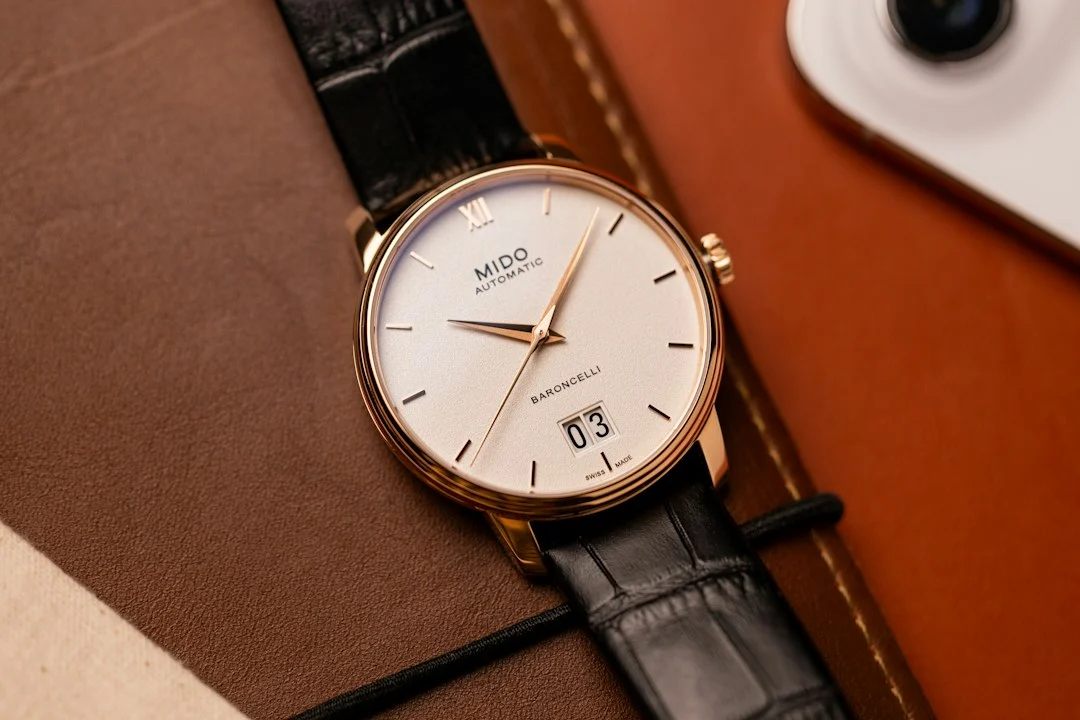
Luxury watches are more than instruments that tell time; they are kinetic sculptures, status symbols, and often the centerpiece of a well‑curated collection. The market for Swiss automatic watches has exploded in recent years, driven by a surge of affluent buyers seeking heritage, precision, and the subtle prestige that only a genuine mechanical movement can provide. Unfortunately, that very demand fuels a parallel industry of counterfeit timepieces that mimic the look of iconic models while skimping on the engineering that defines true Swiss watchmaking.
Spotting a fake Swiss automatic watch requires a blend of visual scrutiny, knowledge of mechanical details, and an awareness of the channels through which counterfeit pieces circulate. By examining the case, dial, movement, and accompanying documentation, and by cross‑checking serial numbers against official databases, a discerning buyer can separate authentic craftsmanship from clever imitation.
Understanding the Anatomy of a Swiss Automatic Timepiece
Before you can identify a fraud, you need to know what you’re looking at. A genuine Swiss automatic watch is a harmonious assembly of several key components, each bearing hallmarks of precision engineering.
Case and Materials
The case is typically forged from stainless steel, 18‑carat gold, or platinum, and finished with a high‑polish or brushed surface that reflects the brand’s finishing standards. Brands such as Patek Philippe and Audemars Piguet employ proprietary alloys—like 904L stainless steel—that resist corrosion and retain luster over decades. Counterfeits often use lower‑grade 420 stainless steel, which shows a duller sheen and scratches more easily.
Dial and Markers
Dial printing on authentic pieces is executed with laser‑etched or hand‑applied techniques that produce razor‑sharp indices and perfectly aligned hour markers. The “Mercedes” hands on a Rolex, for example, are crafted from 904L steel and feature a distinctive curvature that is difficult to replicate. Fake versions typically have slightly off‑center hands, uneven font spacing, or a matte finish that lacks the depth of genuine lume.
Movement and Serial Numbers
The heart of any automatic watch is its movement. Swiss‑made calibers such as the ETA 2824‑2 or the in‑house Rolex 3135 are identified by a serial number engraved on the movement’s back plate. This number is not merely decorative; it can be cross‑referenced with the manufacturer’s database to confirm production year and authenticity. Counterfeit movements often bear a duplicated serial or a completely fabricated number that fails verification.
Caseback and Micro‑Engraving
Many high‑end models feature a transparent sapphire caseback that showcases the movement. Genuine pieces include micro‑engraved logos, model references, and sometimes a tiny “Swiss Made” hallmark that is crisp under magnification. Fakes may use a plastic “see‑through” back or a sapphire that lacks the fine engraving, resulting in blurred or missing details.
Bracelet and Clasp
The bracelet’s links are machined with tight tolerances, and the clasp often incorporates a safety mechanism—such as the Rolex Oysterclasp with an “Easylink” extension—that feels solid and clicks into place with a distinct, satisfying sound. Counterfeit bracelets tend to feel lightweight, have uneven link spacing, and the clasp may lack the patented safety features.
Common Red Flags in Counterfeit Models
Even with a solid understanding of watch anatomy, certain tell‑tale signs can quickly expose a fake. Below is a concise checklist of the most frequent inconsistencies observed in counterfeit Swiss automatic watches.
- Weight Discrepancy: Authentic steel watches often weigh 150–200 grams; a noticeably lighter piece may indicate inferior materials.
- Logo Imperfections: Look for uneven lettering, misaligned crowns, or a logo that appears “pixelated” under close inspection.
- Lume Quality: Genuine lume glows with a consistent, long‑lasting blue or orange hue; cheap substitutes fade quickly or appear dull.
- Incorrect Date Window Alignment: Many models have a precise offset for the date aperture; any misalignment suggests a non‑original case.
- Serial Number Mismatch: If the serial on the case does not match the one on the movement, the watch is likely a composite fake.
- Missing or Faulty Documentation: Authentic pieces come with a warranty card, certificate of authenticity, and service records bearing the brand’s official seal.
According to the Swiss Watch Industry Federation (FH), counterfeit watches accounted for 12 % of all automatic watches sold online in 2025, a figure that underscores the prevalence of these red flags across e‑commerce platforms.
Tools and Techniques for Verification
While a trained eye can catch many inconsistencies, leveraging specialized tools adds an extra layer of confidence.
Magnification and Microscopy
A 10× loupe or a digital microscope reveals the fine details of the movement’s finishing, the crispness of the micro‑engraving, and the quality of the dial printing. Genuine Swiss movements exhibit a “C‑shaped” pattern on the rotor’s edges—a hallmark of high‑grade finishing.
Weight Scale
Using a precision scale (±0.1 g) allows you to compare the watch’s mass against the manufacturer’s specifications. For instance, an authentic Omega Seamaster Professional 300M in stainless steel weighs approximately 155 g; a counterfeit often registers 120 g or less.
Serial Number Verification Services
Brands such as Rolex and TAG Heuer offer online portals where you can input a serial or reference number to confirm authenticity. Third‑party services like Chrono24’s “Watch Authentication” tool also cross‑check databases for inconsistencies.
Water Resistance Test
Many automatic watches are rated to at least 100 meters. A simple pressure test—performed by a certified watchmaker—can reveal whether the case seals meet the advertised depth rating. Counterfeits frequently fail this test due to substandard gaskets.
Professional Appraisal
When in doubt, entrust the watch to a certified horology expert. The Fédération de l’Horlogerie Suisse (FHS) maintains a network of accredited appraisers who can authenticate a piece through a combination of visual inspection and movement analysis.
A 2026 McKinsey & Company report estimated that the global luxury watch resale market reached $15.3 billion, with counterfeit listings comprising roughly 8 % of all entries. This statistic highlights the importance of professional verification, especially when purchasing on secondary markets.
Where to Buy with Confidence
Even the most diligent buyer can fall prey to sophisticated scams if the purchase channel is unreliable. Below are vetted avenues that align with Exclusive Thing’s mission to connect buyers with verified sellers.
- Authorized Retailers: Purchasing directly from brand boutiques or their official online stores guarantees authenticity and full warranty coverage.
- Certified Pre‑Owned Platforms: Websites like Chrono24, WatchBox, and Bob’s Watches employ in‑house watchmakers to inspect each piece before listing.
- Auction Houses: Reputable houses such as Christie’s, Sotheby’s, and Phillips provide provenance documentation and expert authentication for high‑value timepieces.
- Exclusive Marketplace Partnerships: Exclusive Thing collaborates with vetted vendors who undergo a rigorous onboarding process, including background checks and periodic authenticity audits.
The International Trade Centre (ITC) reported a 22 % rise in counterfeit watch seizures in 2025, emphasizing that even established marketplaces can be infiltrated. By choosing sellers who provide transparent service records and third‑party authentication, you mitigate the risk of acquiring a fake.
Case Study: Spotting a Fake Rolex Submariner
Rolex’s Submariner is perhaps the most replicated model on the market, making it an ideal example for illustrating the verification process.
Step‑by‑Step Examination
- Case Thickness: The genuine Submariner 41 mm case measures 12.5 mm in thickness. A counterfeit often appears thinner due to a cheaper case construction.
- Crown Logo: Under magnification, the Rolex crown on the winding crown should be perfectly crisp with no pixelation. Fakes display a blurred or slightly off‑center logo.
- Bezel Markings: The Submariner’s “Cerachrom” bezel features numerals that are laser‑etched and filled with ceramic. Counterfeit bezels use painted or printed numerals that wear off quickly.
- Movement Inspection: The authentic Rolex 3135 movement bears the “Rolex” inscription on the rotor and a unique serial number on the caseback. A fake may contain a generic ETA movement with a fabricated Rolex logo.
- Dial Printing: The “Superlative” text on the dial is embossed, not printed. Counterfeits often have a raised but uneven script.
By following this checklist, a buyer can confidently differentiate a genuine Submariner from a high‑quality replica.
Feature Comparison: Genuine vs. Counterfeit Swiss Automatic Watch
| Feature | Authentic Swiss Automatic | Typical Counterfeit |
|---|---|---|
| Case Material | 904L stainless steel, 18K gold, platinum | 420 stainless steel, alloy plating |
| Movement | In‑house caliber or certified ETA, serial engraved | Modified ETA or generic movement, fake serial |
| Dial Lume | Super‑luminescent, long‑lasting blue/orange | Cheap phosphorescent paint, fades quickly |
| Caseback | Sapphire, micro‑engraved logo and reference | Plastic or low‑grade sapphire, missing engraving |
| Weight | 150–210 g (model dependent) | 30–40 % lighter |
| Warranty Card | Official brand‑issued, holographic seal | Generic paper, no hologram |
Maintaining the Value of Your Authentic Timepiece
Authenticity is only