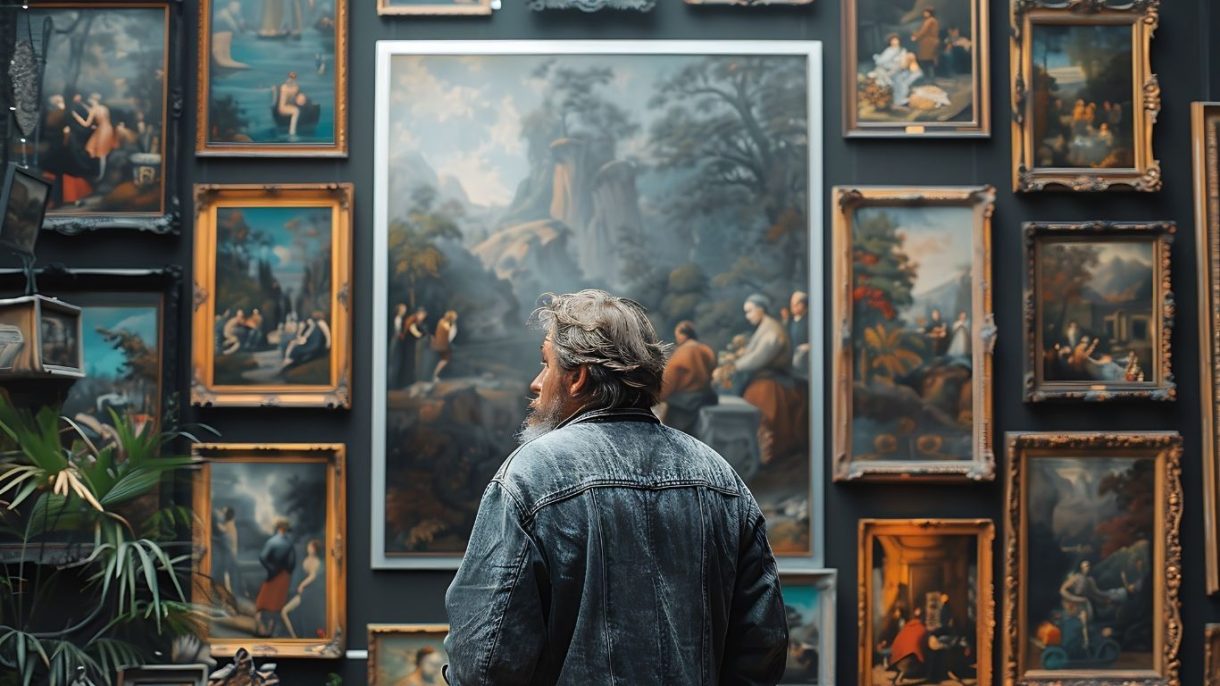
For high-net-worth investors, diversification is essential to manage risk and maximize returns. Building a luxury art portfolio requires strategic acquisition across artists, styles, mediums, and regions, blending aesthetic appeal with investment potential. Properly curated portfolios balance traditional and contemporary works, creating both financial resilience and cultural prestige.
Why Diversification Matters
Luxury art is subject to market trends, cultural relevance and collector demand. A diversified portfolio mitigates risk by spreading exposure across multiple asset categories, reducing vulnerability to fluctuations in a single market segment. Collectors also benefit from combining tangible assets with varying liquidity profiles, including paintings, sculptures, photography and rare books.
Portfolio Construction Strategies
- Mix of Contemporary and Classic Art: Combine emerging artists with Old Masters for balance.
- Regional Diversification: Include works from Europe, Asia and the Americas to capture global trends.
- Medium Variety: Paintings, sculptures, prints and photography each have unique market dynamics.
- Scarcity and Provenance Focus: Prioritize rare, well-documented works with strong ownership history.
Professional Guidance
High-net-worth investors often engage art advisors, galleries and auction houses for portfolio strategy, acquisitions and appraisal. Expert advice ensures purchases align with long-term investment goals while avoiding hype-driven risks.
Monitoring and Adjusting the Portfolio
Regular evaluation of market trends, emerging artists and auction results allows investors to adjust holdings. Selling works strategically and acquiring undervalued assets strengthens portfolio resilience and enhances long-term returns.
Case Studies
- Combining works by Old Masters with contemporary art from rising stars has historically provided steady appreciation while reducing market volatility.
- Portfolios including rare books and limited-edition prints alongside paintings demonstrate complementary diversification.
Conclusion
Building a diversified art portfolio is both an art and a science. Affluent investors who strategically allocate across styles, mediums and regions can achieve financial growth, cultural prestige and risk management, making luxury art an integral component of a sophisticated investment strategy.