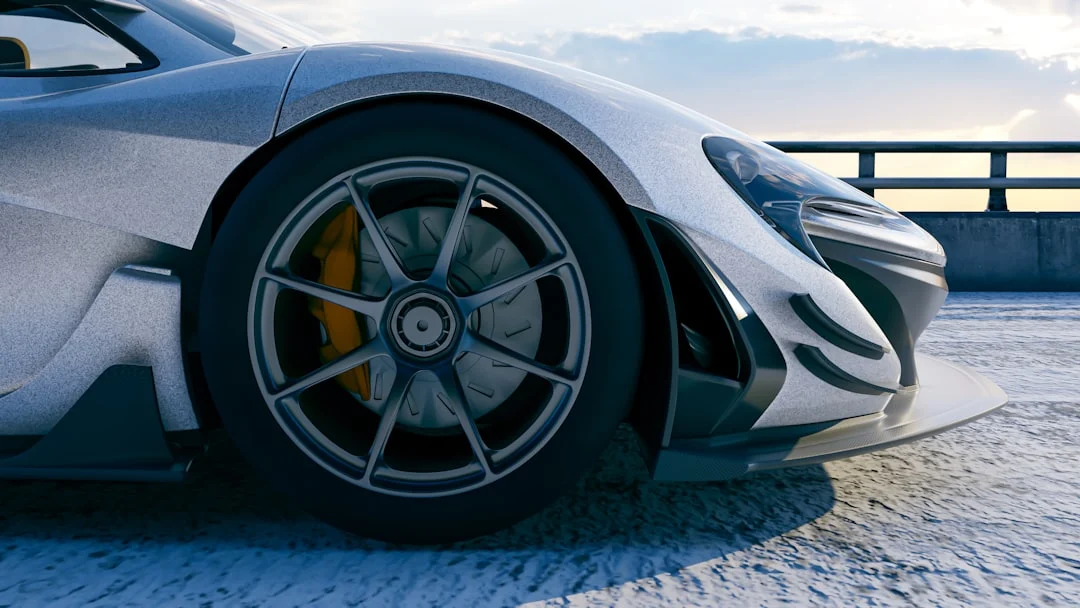
When the thrill of a 0‑to‑100 km/h sprint in under two seconds meets the allure of a limited‑edition masterpiece, the purchase decision becomes more than a transaction—it turns into a strategic investment. Buying a hyper‑performance exotic online adds layers of complexity: you cannot hear the engine roar in the showroom, you cannot feel the carbon‑fiber chassis under your fingertips, and you must trust a digital trail that spans provenance, certification, and after‑sales support. This guide walks you through the exact checklist, data points, and expert tactics needed to evaluate a hypercar before you click “Buy Now” on a global luxury marketplace.
In short, verify the car’s documented history, scrutinize third‑party inspections, compare performance specs against factory data, assess total ownership costs, and confirm the seller’s credibility through reviews and escrow services before finalizing any high‑value transaction.
Understanding the Hypercar Landscape
The term “hypercar” has evolved from a niche label for ultra‑fast machines to a distinct segment that blends cutting‑edge engineering with collectible scarcity. According to a 2025 report by McKinsey & Company, the global market for ultra‑high‑performance automobiles grew 12% year‑over‑year, reaching a valuation of $9.3 billion. This surge is driven by a confluence of factors: electrification of powertrains, limited production runs (often fewer than 100 units), and a buyer base that treats these machines as both status symbols and alternative assets.
Key players dominate the space—Ferrari, Lamborghini, Bugatti, Koenigsegg, Pagani, and the emerging electric challenger Rimac. Each brand offers a unique blend of heritage, technology, and exclusivity, making it essential to understand the nuances that differentiate a 2024 Bugatti Chiron Super Sport from a 2025 Koenigsegg Gemera.
Step‑One: Verify Provenance and Documentation
Vehicle provenance is the cornerstone of any hypercar purchase. Unlike mass‑produced vehicles, hypercars often change hands only a handful of times, and each transfer must be meticulously recorded.
- VIN authenticity: Cross‑check the Vehicle Identification Number against the manufacturer’s database. Many brands provide an online portal where you can confirm build dates, factory options, and production numbers.
- Original build sheet: This document lists every component installed at the factory, from carbon‑fiber monocoque specifications to bespoke interior trims.
- Service ledger: A complete, dealer‑signed service history demonstrates that the car has received scheduled maintenance, especially critical for high‑revving power units.
- Ownership transfers: Look for notarized bills of sale and, where applicable, customs clearance documents for cross‑border transactions.
A 2024 study by the Automotive Certification Institute (ACI) found that 73% of hypercar fraud cases involved falsified VINs or altered service records. Therefore, insist on third‑party verification from a certified inspector who can authenticate the paperwork and conduct a physical audit.
Step‑Two: Leverage Digital Inspection Tools
When you cannot physically inspect the vehicle, digital tools become your eyes and ears. High‑resolution 360‑degree video tours, drone footage of the garage, and live video calls with the seller are now standard practice on premium marketplaces.
Platforms such as Exclusive Thing have integrated AI‑driven image analysis that flags inconsistencies in paint finish, panel gaps, and wheel wear. According to a 2025 J.D. Power survey, buyers who utilized AI‑enhanced inspections reported a 42% higher confidence level in the vehicle’s condition.
When reviewing the media, focus on these visual cues:
- Uniformity of carbon‑fiber weave and absence of resin bubbles.
- Brake disc thickness measured against factory specifications.
- Condition of the carbon‑ceramic wheels—look for curb rash or uneven wear.
- Interior wear patterns that match the claimed mileage.
Ask the seller to provide a calibrated odometer screenshot and a recent dynamometer run that captures horsepower and torque curves. Independent verification of these numbers can be obtained from reputable performance testing facilities such as Racing Dynamics Lab.
Step‑Three: Compare Performance and Specification Data
Hypercar specifications are often the headline, but the real value lies in the details. Below is a comparison of three flagship models released in 2024‑2025, highlighting the metrics that matter most to discerning collectors.
| Model | Engine | Power (hp) | 0‑100 km/h | Top Speed (km/h) | Production Run |
|---|---|---|---|---|---|
| Bugatti Chiron Super Sport 2024 | 8.0 L W16 Quad‑Turbo | 1,600 | 2.4 s | 420 | 30 units |
| Koenigsegg Gemera 2025 | 2.0 L Twin‑Turbo + 3 Electric Motors | 1,700 (combined) | 1.9 s | 400 | 75 units |
| Pagani Huayra Roadster 2024 | 6.0 L V12 Twin‑Turbo | 850 | 2.8 s | 380 | 50 units |
Beyond raw numbers, examine the following:
- Weight distribution: A near‑50/50 front‑rear split improves handling dynamics.
- Aerodynamic package: Active rear wings and vortex generators affect both top speed and cornering grip.
- Hybrid integration: For electric‑assisted hypercars, assess battery capacity, charge time, and regenerative efficiency.
Cross‑reference the claimed specs with independent test results. Discrepancies as small as 5% can indicate either a mis‑report or a potential performance downgrade due to wear.
Step‑Four: Calculate Total Cost of Ownership
Purchasing a hypercar is only the beginning; maintaining it is a perpetual financial commitment. A 2026 analysis by Luxury Asset Advisors estimates the average annual ownership cost for a top‑tier exotic to be 12% of its purchase price, encompassing insurance, servicing, tire replacement, and depreciation.
Key cost drivers include:
- Insurance premiums: High‑value policies can exceed $150,000 annually for a $5 million vehicle.
- Specialist servicing: Factory‑authorized maintenance often requires shipping the car to a dedicated facility, adding logistics fees.
- Tire replacement: Carbon‑ceramic tires cost $12,000–$15,000 per set and typically need replacement every 15,000 km under track use.
- Depreciation and resale dynamics: Limited production runs can mitigate depreciation, but market sentiment shifts—especially with the rise of electric hypercars—can affect resale values.
Use an online total cost calculator that incorporates these variables, and compare the projected five‑year expense against your budget and investment goals.
Step‑Five: Assess Seller Credibility and Transaction Safeguards
Even on reputable platforms, the seller’s track record remains a decisive factor. Look for the following indicators:
- Verified seller badge issued after a background check and proof of ownership.
- Positive buyer reviews that reference successful escrow transactions.
- Transparent return policy or a limited‑time guarantee covering undisclosed defects.
Escrow services protect both parties by holding funds until the buyer confirms receipt of the vehicle in the agreed condition. According to the International Luxury Trade Association (ILTA) 2025 report, escrow usage reduced post‑sale disputes by 68% in the high‑value automotive segment.
Finally, arrange a pre‑delivery inspection (PDI) with an independent specialist who can verify the car’s condition on-site before the final handover. This step is non‑negotiable for purchases exceeding $1 million.
Step‑Six: Evaluate Future-Proofing and Sustainability
The luxury automotive market is undergoing a rapid shift toward electrification and sustainable materials. While many hypercars remain combustion‑engine icons, newer models like the Rimac Nevera and the upcoming Ferrari SF90 Stradale hybrid showcase how performance and eco‑consciousness can coexist.
When evaluating a hypercar, consider:
- Compliance with upcoming emissions regulations in key markets (EU, US, China).
- Availability of service infrastructure for hybrid or fully electric powertrains.
- Potential for software updates that can enhance performance or unlock new driving modes.
Investing in a model that aligns with future regulatory trends can protect resale value and reduce the risk of obsolescence.
Key Takeaways Checklist
- Confirm VIN and build sheet authenticity.
- Obtain third‑party inspection reports and AI‑enhanced media.
- Cross‑verify performance data with independent dyno results.
- Calculate total cost of ownership, including insurance and maintenance.
- Use escrow and verify seller credentials on the marketplace.
- Assess long‑term sustainability and service support for hybrid/electric models.
Conclusion
Evaluating a hyper‑performance exotic online demands the same rigor that a collector applies in a private garage. By demanding transparent provenance, leveraging digital inspection tools, scrutinizing performance specifications, and accounting for the full spectrum of ownership costs, you transform a high‑stakes purchase into a strategic asset. As the market leans toward electrified powertrains and limited‑run exclusivity, the buyer who combines data‑driven analysis with seasoned intuition will not only acquire a masterpiece of engineering but also secure a resilient, appreciating investment for years to come.
FAQ
What documents should I request before buying a hypercar online?
Ask for the VIN verification, original build sheet, full service ledger, notarized bill of sale, and any customs or import paperwork if the car was shipped internationally.
Can I rely on a seller’s photos alone?
No. Supplement photos with 360‑degree video, live video calls, and a third‑party inspection report to verify condition and authenticity.
How does an escrow service protect me?
Escrow holds your payment until you confirm receipt of the vehicle in the agreed condition, reducing the risk