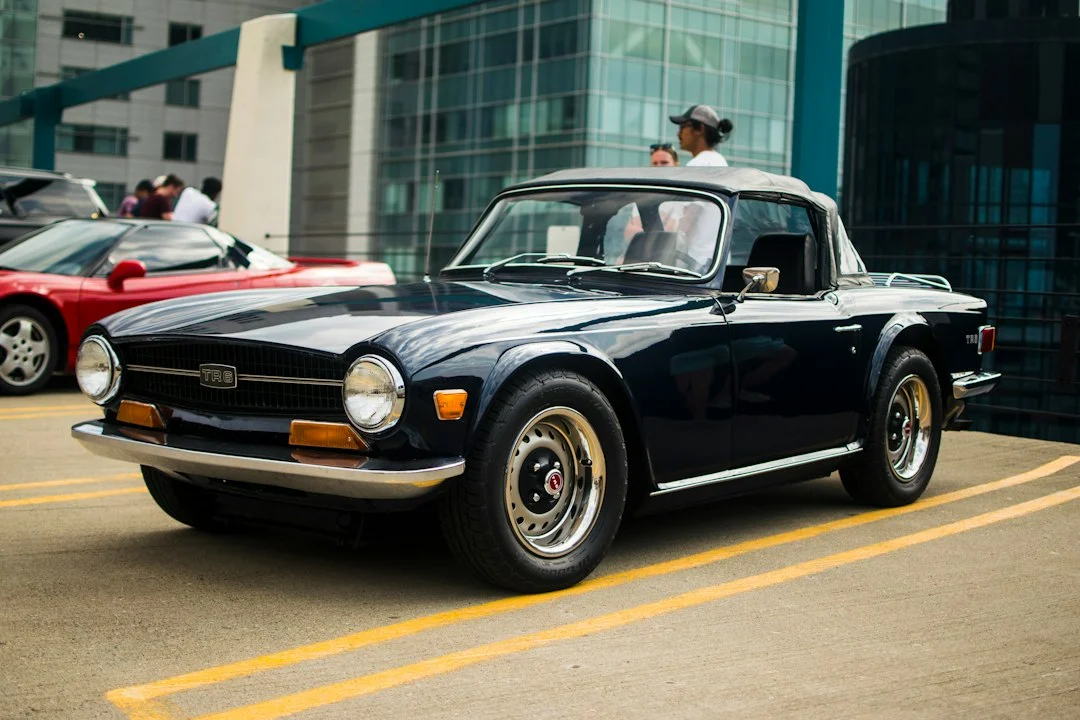
Understanding the Classic-Car Market on a Premium Platform
When you step onto a high-end digital marketplace, the experience differs dramatically from scrolling through mass-market listings. Every vehicle is presented with meticulous photography, provenance documentation, and a seller profile that has been vetted for authenticity. This environment is designed for collectors who view a classic automobile not merely as transportation, but as a tangible asset, a piece of automotive history, and an expression of personal style. Recognizing these nuances is the first step toward a purchase that feels both exhilarating and secure.
The process of acquiring a classic car on a luxury marketplace involves defining your passion, verifying authenticity, negotiating terms, and arranging secure logistics—all while leveraging the platform’s built-in protections and expert resources.
Step 1: Clarify Your Collecting Vision
Before you even log in, take time to articulate what you truly want from a classic vehicle. Are you seeking a weekend cruiser, a show-room centerpiece, or a long-term investment that may appreciate over time? Your answer will shape every subsequent decision.
- Purpose – Driving enjoyment versus static display.
- Era – Post-war British roadsters, 1960s Italian sports cars, 1970s American muscle, etc.
- Condition – Fully restored, gently used, or a project car needing work.
- Budget envelope – Including purchase price, restoration, insurance, and storage.
Step 2: Leverage the Marketplace’s Search Filters
Premium platforms provide granular filters that go far beyond make and model. Use criteria such as chassis number, original paint code, documented mileage, and verified service history. These tools help you narrow the field to vehicles that match your defined vision without sifting through irrelevant listings.
Step 3: Evaluate Seller Credibility
Every seller on a trusted luxury marketplace undergoes a verification process that may include business registration checks, transaction history, and third-party references. Look for the following signals:
- Verified badge – Indicates platform-approved identity.
- Positive buyer feedback – Consistent high ratings and detailed reviews.
- Comprehensive documentation – Original build sheets, restoration invoices, and provenance papers uploaded to the listing.
- Professional photography – High-resolution images that show interior, engine bay, and undercarriage.
Step 4: Conduct a Thorough Due Diligence Review
Even with a verified seller, you must confirm the car’s authenticity and condition. Request the following items before committing:
- Original VIN and chassis number cross-checked against factory records.
- Service logs from certified specialists or the original manufacturer.
- Restoration certificates, if applicable, detailing parts used and work performed.
- Independent inspection report from a reputable classic-car appraiser.
Most luxury marketplaces facilitate secure document exchange and may even partner with accredited inspection services, allowing you to schedule a third-party evaluation directly through the platform.
Step 5: Arrange a Virtual or In-Person Viewing
Seeing the car in person remains the gold standard, but many platforms now offer immersive virtual tours. High-definition video walkthroughs, 360-degree interior scans, and live video calls with the seller can reveal details that static photos miss. If you’re on a different continent, request a live video inspection where the seller walks you through the engine, chassis, and any areas of concern.
Step 6: Negotiate with Confidence
Negotiation on a premium marketplace benefits from transparent pricing data and comparable sales history provided by the platform’s market intelligence tools. Use this information to justify your offer based on factors such as:
- Recent auction results for similar models.
- Condition differentials (original vs. restored).
- Geographic market variations (e.g., European versus North American pricing trends).
When you propose a price, do so in writing through the platform’s messaging system to keep a clear record. Highlight any findings from your due diligence that support your valuation.
Step 7: Secure Financing and Insurance
Many high-net-worth buyers prefer to finance classic cars through specialty lenders who understand the asset class. Luxury marketplaces often list partner financial institutions that can offer tailored loan structures, such as interest-only periods or flexible repayment terms aligned with the vehicle’s anticipated appreciation.
Insurance is equally critical. Look for policies that cover agreed-value coverage, transport risk, and agreed-upon restoration work. Some platforms provide access to boutique insurers that specialize in classic-car coverage, simplifying the quoting process.
Step 8: Finalize the Purchase Contract
The platform’s escrow service acts as a neutral third party, holding funds until all conditions are satisfied. Your contract should explicitly outline:
- Vehicle description, including VIN, mileage, and condition grade.
- All included items (e.g., original manuals, spare parts, toolkits).
- Inspection contingency period and any agreed-upon repairs.
- Transfer of title and registration responsibilities.
- Delivery method and associated logistics costs.
Both parties sign electronically within the marketplace, and the escrow releases funds only after the buyer confirms receipt and satisfaction.
Step 9: Arrange Professional Transportation
Transporting a classic car requires climate-controlled carriers, specialized cradles, and experienced drivers who understand the delicate nature of vintage chassis. Luxury platforms frequently partner with logistics firms that offer door-to-door service, real-time tracking, and insurance coverage for the journey.
Consider the destination’s climate and storage options. A climate-controlled garage or a dedicated museum-grade facility helps preserve the vehicle’s condition and may enhance its future resale value.
Step 10: Post-Purchase Stewardship
Ownership of a classic automobile extends beyond the initial purchase. To protect and potentially grow your investment, adopt a stewardship plan that includes:
- Regular maintenance by certified specialists familiar with the model.
- Periodic condition assessments to catch early signs of wear.
- Documentation updates whenever work is performed, keeping the provenance chain intact.
- Participation in enthusiast clubs or events, which can provide networking opportunities and access to rare parts.
Common Pitfalls and How to Avoid Them
Even seasoned collectors can stumble if they overlook subtle red flags. Below are typical challenges and practical safeguards:
| Challenge | Preventive Action |
|---|---|
| Undisclosed restoration | Demand a full restoration ledger and compare paint codes to original factory specifications. |
| Title irregularities | Verify title history through the platform’s integrated vehicle-history service. |
| Hidden mechanical issues | Insist on a pre-purchase mechanical inspection by an independent classic-car specialist. |
| Overpaying for rarity | Cross-reference recent auction results and platform analytics before finalizing price. |
Leveraging Platform Resources for Ongoing Success
Beyond the transaction, a premium marketplace offers tools that can enhance your ownership experience. These include:
- Market dashboards that track valuation trends for your specific make and model.
- Community forums where owners share restoration tips, part sources, and event invitations.
- Curated content such as expert articles, video walkthroughs, and interview series with renowned collectors.
Engaging with these resources keeps you informed about market dynamics and helps you maintain the vehicle’s prestige.
FAQ
What documentation proves a classic car’s authenticity?
Key documents include the original VIN plate, factory build sheet, title history, service logs, and any restoration certificates that detail parts and workmanship.
Can I finance a classic car through a traditional bank?
Traditional lenders often view classic cars as high-risk collateral. Specialty lenders that understand collectible assets are more likely to offer favorable terms.
How does escrow protect both buyer and seller?
Escrow holds the buyer’s funds until the seller has transferred title and the buyer has verified that the vehicle matches the agreed description and condition.
Is it safe to purchase a classic car sight-unseen?
While virtual inspections have improved, the safest approach combines high-resolution media, third-party appraisal, and a clear inspection contingency within the contract.
What should I consider when storing a classic car?
Ideal storage maintains consistent temperature and humidity, protects against dust and sunlight, and includes security measures such as alarms and surveillance.
Do classic cars appreciate in value?
Many well-maintained, rare models have shown upward price trends over time, especially when provenance is clear and condition is excellent.
How can I keep my classic car’s value intact?
Regular maintenance by specialists, meticulous record-keeping, and limited exposure to harsh driving conditions help preserve both condition and market appeal.
Conclusion
Purchasing a classic automobile through a high-end marketplace blends the thrill of owning a piece of automotive heritage with the confidence that comes from rigorous verification and sophisticated support services. By defining your collecting goals, leveraging the platform’s advanced tools, and following a disciplined due-diligence process, you can secure a vehicle that not only satisfies your passion but also stands as a resilient asset in the luxury ecosystem. The journey from browsing to ownership may be intricate, but with each step thoughtfully executed, the reward is a timeless masterpiece that enriches both your garage and your legacy.