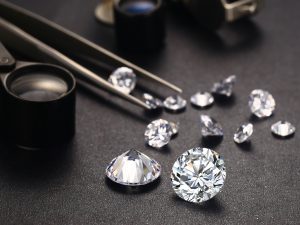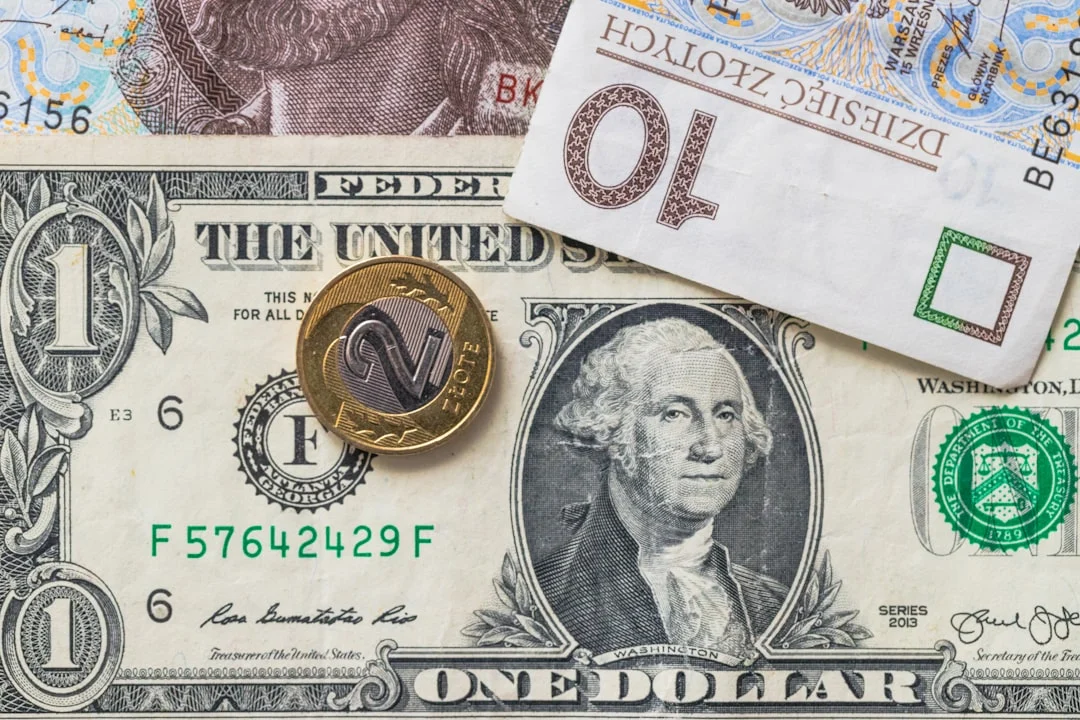
The concept of money has undergone a significant transformation over the centuries, evolving from basic bartering systems to the complex digital payment networks we use today. As we navigate the global luxury marketplace, it’s essential to understand the history and development of money, which has played a crucial role in shaping the world of premium goods and exclusive brands.
Money has been a cornerstone of human civilization, facilitating trade and commerce across the globe. According to a report by the International Monetary Fund (IMF), the global economy is projected to reach $94 trillion by 2026, with the luxury goods market accounting for a significant share of this growth.
Early Forms of Money
The earliest forms of money were commodity-based, with items like cattle, grains, and precious metals being used as mediums of exchange. As societies grew and trade expanded, more sophisticated forms of money emerged, including coins and paper currency. The use of coins, in particular, revolutionized trade, allowing for easier and more efficient transactions. The first coins were minted in ancient Lydia around 560 BCE, and they quickly spread throughout the ancient world.
The introduction of paper money in China during the Tang Dynasty (618-907 CE) marked another significant milestone in the evolution of money. Paper money, also known as fiat currency, was initially used as a medium of exchange for gold and silver, but it eventually became a store of value in its own right. Today, fiat currency is the dominant form of money globally, with most countries using their own national currencies.
The Rise of Digital Payment Systems
The advent of digital payment systems has transformed the way we think about money, making it possible to conduct transactions quickly and securely online. According to a report by McKinsey, the global digital payments market is projected to reach $1.3 trillion by 2025, with the number of digital payment users expected to exceed 4 billion by 2026.
Some key points to note about the rise of digital payment systems include:
- Increased convenience and accessibility, with users able to conduct transactions from anywhere in the world
- Improved security, with advanced encryption and authentication protocols protecting user data
- Reduced transaction costs, with digital payment systems eliminating the need for physical currency and reducing the risk of fraud
Comparison of Traditional and Digital Payment Systems
The following table compares the key features of traditional and digital payment systems:
| Feature | Traditional Payment Systems | Digital Payment Systems |
|---|---|---|
| Convenience | Lower, as users need to physically access a bank or ATM | Higher, as users can conduct transactions online or through mobile devices |
| Security | Lower, as physical currency and paper checks can be lost or stolen | Higher, as digital payment systems use advanced encryption and authentication protocols |
| Transaction Costs | Higher, as traditional payment systems often involve fees for transactions and maintenance | Lower, as digital payment systems reduce the need for physical currency and minimize the risk of fraud |
The Future of Money
As we look to the future, it’s clear that the concept of money will continue to evolve, with new technologies and innovations emerging to shape the global luxury marketplace. The use of cryptocurrencies, such as Bitcoin and Ethereum, is becoming increasingly popular, offering users a decentralized and secure way to conduct transactions. Additionally, the development of central bank digital currencies (CBDCs) is expected to further transform the financial landscape, providing users with a digital version of their national currency.
Statistics on the Global Luxury Market
Some statistics that highlight the growth and importance of the global luxury market include:
– The global luxury market is projected to reach $1.5 trillion by 2025, according to a report by Bain & Company.
– The number of high net worth individuals (HNWIs) is expected to reach 46 million by 2026, with their combined wealth projected to exceed $250 trillion, according to a report by Knight Frank.
– The luxury goods market accounts for around 10% of the global retail market, with the largest share coming from the fine jewelry and luxury watches sectors, according to a report by Euromonitor International.
FAQ
What is the history of money?
The history of money dates back to ancient times, with the earliest forms of money being commodity-based, such as cattle and grains. Over time, more sophisticated forms of money emerged, including coins and paper currency.
What is the difference between traditional and digital payment systems?
Traditional payment systems involve the use of physical currency and paper checks, while digital payment systems use online platforms and mobile devices to conduct transactions. Digital payment systems offer increased convenience, security, and reduced transaction costs.
What is the future of money?
The future of money is expected to be shaped by new technologies and innovations, such as cryptocurrencies and central bank digital currencies. These technologies will provide users with more secure, convenient, and efficient ways to conduct transactions.
What is the size of the global luxury market?
The global luxury market is projected to reach $1.5 trillion by 2025, according to a report by Bain & Company.
What are the key sectors of the luxury goods market?
The key sectors of the luxury goods market include fine jewelry, luxury watches, designer fashion, and luxury cars.
What is the growth rate of the global luxury market?
The global luxury market is expected to grow at a rate of around 5% per annum, driven by increasing demand from emerging markets and the growth of e-commerce, according to a report by McKinsey.
In conclusion, the concept of money has undergone a significant transformation over the centuries, from basic bartering systems to complex digital payment networks. As we look to the future, it’s clear that the use of luxury goods and exclusive brands will continue to play a major role in shaping the global luxury marketplace. The development of new technologies and innovations, such as cryptocurrencies and central bank digital currencies, will provide users with more secure, convenient, and efficient ways to conduct transactions. Entities such as the International Monetary Fund (IMF), Bain & Company, and Knight Frank will continue to play a crucial role in shaping the global economy and luxury market.