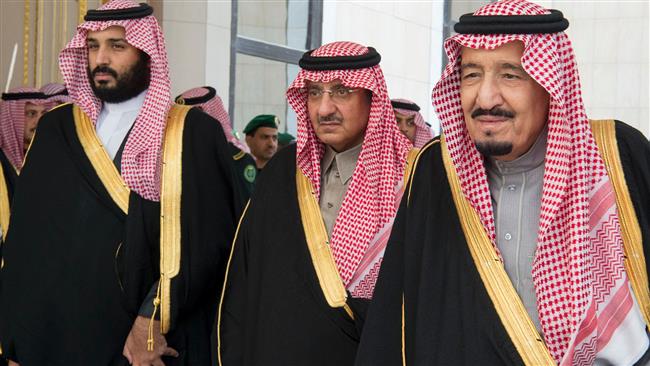
The Al Saud family stands as one of the richest royal families in the world, with wealth deeply intertwined with Saudi Arabia’s oil reserves and political structure. Unlike entrepreneurial dynasties, the family’s fortune is inseparable from state power, natural resources, and monarchy.
The modern Saudi state was founded in 1932 by King Abdulaziz Al Saud, who unified the Arabian Peninsula. The discovery of massive oil reserves soon after transformed the country – and the family – into a central force in global energy markets. Today, Saudi Arabia controls one of the largest proven oil reserves in the world.
The Al Saud family includes thousands of princes, many of whom hold key government, military, and business positions. Wealth distribution within the family varies widely, but collectively their assets are estimated in the hundreds of billions of dollars.
Saudi Aramco, the state-owned oil giant, remains the cornerstone of national wealth. While technically owned by the state, the ruling family exerts decisive control over its revenues and strategic direction. Oil income funds infrastructure, social programs, and the lavish lifestyles associated with the royal household.
In recent years, the family has pursued economic diversification through initiatives like Vision 2030, aiming to reduce dependence on oil by investing in technology, tourism, and renewable energy.