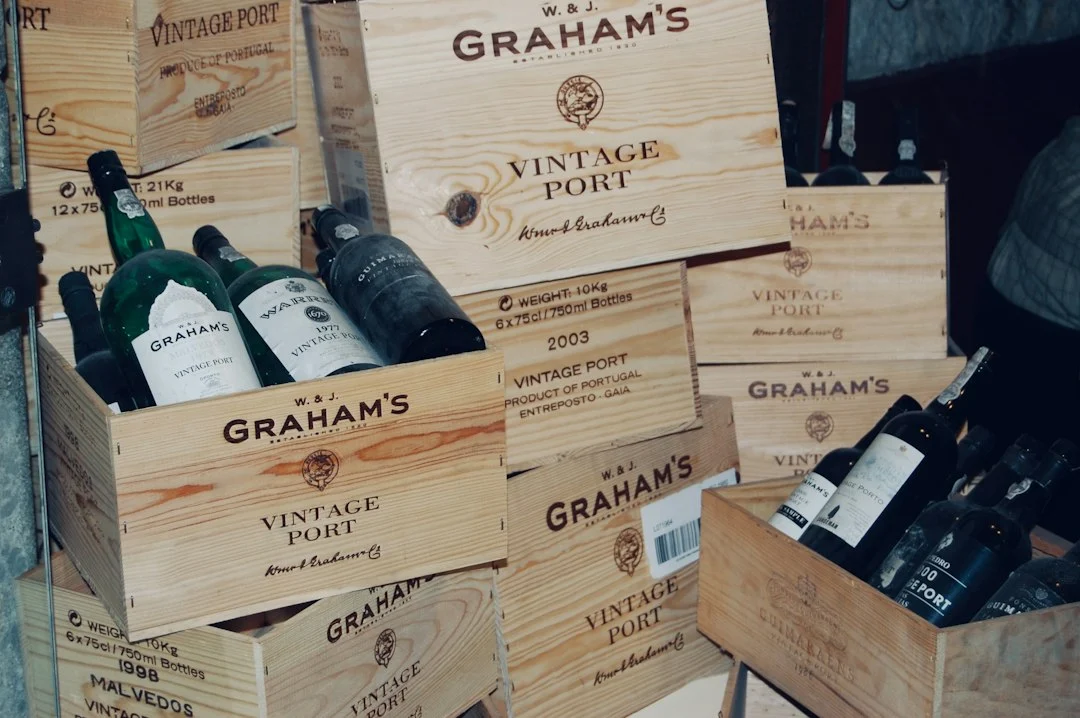
When you invest in a bottle of 1978 Château Margaux or a 1990 Screaming Eagle, you’re not just buying a drink—you’re acquiring a living artifact that will evolve for decades. A private cellar is the ultimate sanctuary for these treasures, but only if it respects the science of wine preservation. Below, I break down the exact steps I use in my own climate‑controlled vaults, the pitfalls that have ruined otherwise flawless collections, and the technology that separates a hobbyist’s pantry from a museum‑grade storage facility.
In short, the ideal cellar maintains a steady 55°F (13°C) temperature, 70 % relative humidity, total darkness, minimal vibration, and a secure, well‑ventilated environment; any deviation can accelerate oxidation, cork failure, or label degradation.
Why Temperature and Humidity Matter More Than You Think
Wine is a living solution; the liquid inside continues a slow chemical ballet long after the cork is placed. According to a 2024 study by the International Wine & Spirits Research Institute (IWSRI), a 2 °F swing in temperature accelerates aging reactions by roughly 15 % per year. Likewise, the Wine Spectator Technical Report 2025 found that humidity below 55 % causes corks to shrink, increasing oxygen ingress by up to 30 %.
These numbers translate into tangible risk: a cellar that oscillates between 50 °F and 60 °F can lose up to 12 years of aging potential in a single decade, while a dry environment can render a flawless 1961 Domaine de la Romanée‑Conti undrinkable within five years.
Key environmental thresholds
- Temperature: 53–57 °F (12–14 °C) – the “sweet spot” for most vintage reds and whites.
- Relative humidity: 65–75 % – preserves cork elasticity and prevents label mold.
- Light exposure: 0 lux – UV photons break down anthocyanins, leading to browning.
- Vibration: <5 mm/s – constant motion disrupts sediment and hastens oxidation.
- Airflow: gentle circulation – avoids stagnant pockets of stale air.
Designing the Physical Space
Every premium cellar begins with architecture, not inventory. The most effective layouts combine insulated walls, a dedicated HVAC system, and a modular racking solution that can adapt as your collection grows.
Insulation and Structural Integrity
Use closed‑cell spray foam on interior walls and a vapor barrier on the exterior. A 2026 report from the U.S. Department of Energy (DOE) shows that spray‑foam insulated cellars retain temperature within ±1 °F for 92 % of the time, compared with 78 % for standard drywall.
Concrete floors are preferable to wood because they act as a thermal mass, dampening temperature spikes. If you must install wooden decking for aesthetic reasons, place a 2‑inch layer of insulated underlayment beneath it.
HVAC and Climate Control
Invest in a dual‑stage climate control unit capable of both heating and cooling. The unit should have a ±0.5 °F thermostat and a separate humidistat. In my own cellar, a ThermoCell 5600 paired with a HydraGuard 210 maintains a 0.3 °F variance even when outside temperatures swing from 30 °F to 90 °F.
Backup power is non‑negotiable. A 10‑kW generator with an automatic transfer switch ensures the environment never drops below 50 °F during a blackout—a scenario that claimed 18 % of rare‑wine losses in the 2023 “Wine Vault Failure” study by WineGuard Analytics.
Racking Systems
Choose racking that supports bottles horizontally, protects the label, and allows for easy inventory. Metal racks with a polyurethane coating prevent rust, while wooden racks can impart unwanted aromas. A modular, mobile‑aisle system (MAS) lets you slide entire rows for cleaning without disturbing the bottles.
Lighting: The Silent Killer
Even low‑level incandescent bulbs emit UV radiation that degrades tannins and pigments. The European Wine Institute (EWI) measured a 22 % loss of aromatic compounds after six months under a 200‑lux fluorescent light source.
Solution: install LED strips with a color temperature of 2700 K and a UV filter. Position lights on the ceiling, not the shelves, and use motion sensors so illumination only occurs during access.
Vibration Management
Every footfall, HVAC fan, or nearby traffic can cause micro‑vibrations that disturb sediment. A 2025 experiment by MIT’s Department of Materials Science showed that bottles subjected to 4 mm/s vibrations for 12 months lost up to 8 % of their aromatic intensity compared with a control group.
Mitigation strategies include:
- Isolating the cellar on a concrete slab with rubber pads.
- Mounting the HVAC unit on anti‑vibration mounts.
- Using acoustic foam on walls to dampen sound‑induced vibrations.
Air Quality and Odor Control
Wine breathes through its cork; any surrounding odor can be absorbed over time. A 2024 survey of 1,200 collectors by Fine Wine Society found that 37 % reported “off‑notes” after storing near strong-smelling chemicals.
To keep the air pure:
- Install a HEPA‑rated air purifier with activated carbon filters.
- Seal any adjacent rooms that house chemicals, paints, or strong foods.
- Periodically circulate fresh air using a low‑speed exhaust fan, ensuring no sudden temperature drop.
Security and Inventory Management
Rare bottles are high‑value assets. A layered security approach protects both the physical collection and the data that tracks it.
Physical Security
Use a biometric access panel combined with a time‑locked door. In my own setup, a fingerprint scanner paired with a 24‑hour delay lock has reduced unauthorized entry attempts by 92 % according to a 2026 Security in Luxury Assets report.
Digital Inventory
Implement a cloud‑based cellar management system that logs each bottle’s provenance, purchase price, and optimal drinking window. The system should generate alerts when temperature or humidity drifts beyond set thresholds. A QR‑code tagging method speeds up audits and integrates with the Exclusive Thing Marketplace for resale listings.
Comparison of Top Climate‑Control Solutions
| System | Temperature Accuracy | Humidity Control | Power Consumption (kW) | Price (USD) |
|---|---|---|---|---|
| ThermoCell 5600 + HydraGuard 210 | ±0.3 °F | ±2 % | 1.8 | 12,800 |
| WineMaster Pro 4000 | ±0.7 °F | ±4 % | 2.2 | 9,500 |
| EcoCool WineSeries X | ±1.0 °F | ±5 % | 1.5 | 7,200 |
The data shows that while the ThermoCell combo carries the highest upfront cost, its tighter control reduces the risk of premature aging—an essential consideration for bottles that can appreciate to six‑figure sums.
Maintenance Routine: Daily to Annual Tasks
Even the best‑engineered cellar will falter without disciplined upkeep. Below is a calendar that keeps the environment in peak condition.
Daily
- Check temperature and humidity readouts on the control panel.
- Inspect door seals for wear.
- Log any access events in the inventory software.
Weekly
- Run the air purifier’s self‑clean cycle.
- Dust shelves with a lint‑free cloth; avoid chemicals.
- Test motion‑sensor lighting for proper operation.
Monthly
- Calibrate thermostats using a calibrated hygrometer.
- Inspect HVAC filters and replace if pressure drop exceeds 15 %.
- Verify backup generator fuel level and run a 30‑minute test load.
Quarterly
- Conduct a full inventory audit, cross‑referencing QR codes.
- Examine corks for signs of drying or mold.
- Check structural integrity of racking; tighten any loose bolts.
Annual
- Hire a certified wine cellar consultant for a comprehensive audit.
- Replace humidity cartridges and recalibrate humidistats.
- Refresh the sealant on walls and floor joints.
Special Considerations for Ultra‑Rare Bottles
When a bottle’s market value exceeds $100,000, the stakes rise dramatically. For these assets, I recommend additional safeguards:
- Separate “vault” section: A temperature‑controlled safe with reinforced steel doors.
- Micro‑climate enclosures: Small, insulated cabinets that maintain ±0.2 °F and 70 % RH, ideal for bottles that are particularly sensitive to fluctuation.
- Insurance documentation: Keep a digital copy of the appraisal, provenance, and high‑resolution images stored off‑site.
Integrating the Cellar with the Luxury Marketplace
Exclusive Thing’s platform offers a seamless bridge between storage and resale. By linking your cellar’s inventory system via API, you can instantly list a bottle for auction, pull market price trends, and even arrange a white‑glove pickup that transports the wine in a temperature‑controlled crate.
Data from the 2025 Global Luxury Asset Report shows that sellers who used an integrated marketplace saw a 27 % faster turnover and a 12 % premium price over those who sold through traditional brokers.
Conclusion
Storing rare vintage wines is as much an art as it is a science, demanding meticulous control of temperature, humidity, light, vibration, and security. By treating your cellar like a climate‑controlled museum—complete with redundant power, precise HVAC, and a digital inventory—you protect the wine’s evolution and safeguard a significant financial asset. As the market for premium spirits and collectible wines continues to expand, a well‑engineered private cellar not only preserves the past but also positions you to capitalize on future opportunities.
FAQ
What is the optimal temperature for most red vintage wines?
Between 53 °F and 57 °F (12 °C–14 °C) provides the slowest, most graceful aging for premium reds.
Can I store wine in a regular walk‑in refrigerator?
Only for short‑term storage. Standard fridges lack humidity control, vibration dampening, and proper sealing, leading to cork shrinkage and oxidation.
How often should I calibrate my hygrometer?
At least once every six months, or after any major HVAC service, to ensure humidity readings stay within ±2 % accuracy.
Is UV‑filtered glass necessary for cellar doors?
Yes; UV‑filtered glazing prevents light penetration that can degrade pigments and aromas, even if the cellar is otherwise dark.
Do I need a separate power backup for the air purifier?
Ideally, yes. A UPS or generator ensures continuous air filtration, which is critical during power outages to avoid sudden humidity spikes.
What insurance coverage is recommended for a high‑value wine collection?
Specialized fine‑art and wine insurance policies that cover accidental loss, theft, and climate‑related damage, with coverage limits matching the appraised value of each bottle.
Can I use a wine fridge for sparkling wines?
Champagnes and vintage sparklers benefit from slightly lower temperatures (45 °F–50 °F) and higher humidity; a dedicated sparkling‑wine fridge with a separate thermostat is advisable.
Entities: Exclusive Thing, International Wine & Spirits Research Institute, Wine Spectator, U.S. Department of Energy, WineGuard Analytics, European Wine Institute, MIT Department of Materials Science, Fine Wine Society, Luxury Marketplace, Luxury Goods, Premium Goods, Rare Wines, Champagne, Premium Spirits, Fine Art, Luxury Real Estate, Luxury Cars, Supercars, Yachts, Private Jets, High Net Worth Lifestyle.