Why the Tax Landscape Matters for Car Collectors
When the roar of a V12 or the whisper of an electric motor meets the polished chrome of a showroom, most enthusiasts think first about performance, heritage, and the thrill of ownership. Yet for the high-net-worth investor, the tax implications of that purchase often dictate whether a garage becomes a hobby or a strategic asset. Understanding how the tax code treats classic automobiles versus hyper-performance machines can turn a passion for speed into a lever for wealth preservation.
In short, classic cars typically enjoy more favorable tax treatment because many jurisdictions allow them to be classified as collectible assets, which can be depreciated or exempt from certain sales taxes, whereas hypercars are usually treated as ordinary luxury goods, subject to higher consumption taxes and limited depreciation options.
Defining the Two Worlds: Classics and Hypercars
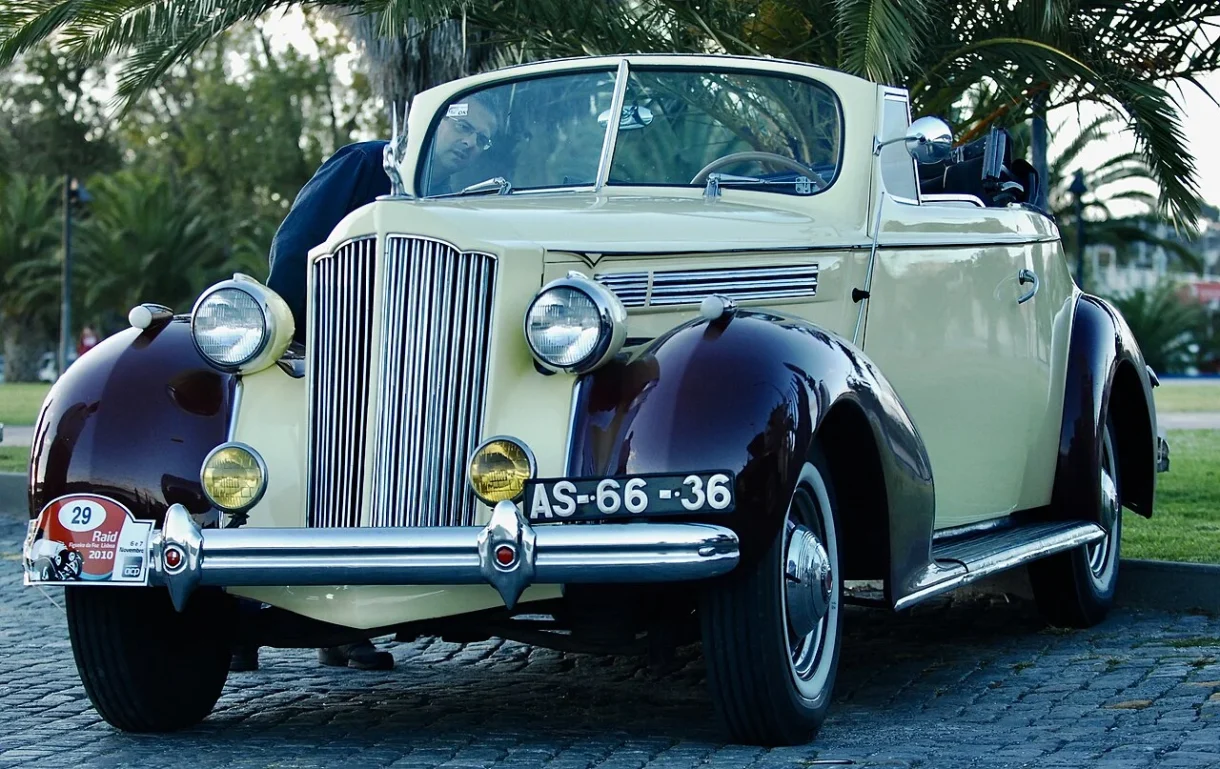
A “classic” car is generally recognized as a vehicle that is at least a few decades old, possesses historical significance, and retains a level of originality that appeals to collectors. Think of a 1965 Shelby Cobra, a 1970 Ferrari 365 GTB/4, or a 1985 Porsche 959. Their value often derives from rarity, provenance, and the story they tell about automotive evolution.
A “hypercar,” by contrast, is a contemporary masterpiece engineered to push the limits of speed, technology, and exclusivity. These machines are produced in ultra-low volumes, feature cutting-edge materials such as carbon-fiber monocoques, hybrid powertrains, and active aerodynamics, and command price tags that rival private jets. Examples include the Bugatti Chiron, the Koenigsegg Jesko, and the Rimac Nevera.
Tax Classification: Collectible vs. Luxury Asset
Most tax authorities distinguish between “collectible” assets and “luxury goods.” Collectibles—art, rare coins, vintage wines, and classic automobiles—often qualify for special capital-gain treatment, lower sales-tax rates, or even exemption when imported. Hypercars, being contemporary and still classified as motor vehicles, typically fall under the standard luxury-goods regime, attracting higher VAT/GST and lacking the same depreciation pathways.
Capital Gains Treatment
When a collector sells a classic car that has appreciated, the profit is usually taxed as a capital gain. The holding period can influence whether the gain is considered short-term (taxed at ordinary income rates) or long-term (taxed at a reduced rate). Because many classic cars are held for years, owners often benefit from the lower long-term capital-gain bracket.
Hypercar owners, on the other hand, may find that the sale of a recently purchased hypercar is treated as a sale of personal property rather than a collectible. In many jurisdictions, the gain is still subject to capital-gain tax, but the lack of a recognized “collectible” status can mean the gain is taxed at the standard rate without the benefit of a reduced long-term classification.
Depreciation and Business Use
Investors who incorporate their car collection into a business—such as a museum, a rental fleet for high-end events, or a specialized dealership—can claim depreciation. Classic cars often qualify for “Section 179”-type allowances or similar accelerated depreciation schedules because they are viewed as assets that retain value and can be displayed for public benefit.
Hypercars, being newer and more likely to be used for personal enjoyment, rarely meet the criteria for accelerated depreciation. Their rapid technological obsolescence and high maintenance costs make tax authorities reluctant to allow large write-offs, limiting the owner’s ability to offset other income.
Sales Tax, Import Duties, and Registration Fees
When importing a vehicle, customs duties and sales tax can dramatically affect the total out-of-pocket cost. Classic cars often benefit from reduced duty rates, sometimes as low as a fraction of the standard automotive tariff, because they are classified as antiques or cultural artifacts. Additionally, many regions waive or reduce registration fees for vehicles over a certain age.
Hypercars, despite their rarity, are treated like any other new car for customs purposes. The duty is calculated on the full purchase price, and luxury excise taxes may apply. Registration fees are typically based on engine displacement or horsepower, which can be astronomical for a 1,600-horsepower hypercar.
Estate Planning and Inheritance Considerations
For families looking to pass wealth across generations, classic cars can serve as “family heirlooms” that are easy to appraise and allocate. Because they are recognized as collectibles, they can be transferred at a stepped-up basis, meaning the heir inherits the car at its fair market value at the time of death, potentially eliminating capital-gain liability.
Hypercars, while also valuable, may not receive the same stepped-up treatment in all jurisdictions. Their classification as recent luxury assets can lead to higher estate-tax assessments, especially if the vehicle’s market value exceeds the exemption threshold.
Insurance and Tax Deductions
High-value vehicles require specialized insurance policies that often include agreed-value coverage. Premiums for classic cars can sometimes be partially deducted as a business expense if the vehicle is used in a trade or for exhibition. The deductible portion is limited to the portion of time the car is employed for business purposes.
Hypercar insurance premiums are generally higher due to the vehicle’s performance capabilities and repair costs. Because these cars are less likely to be used for business, the tax deduction potential is minimal, leaving the owner to shoulder the full cost.
Liquidity, Market Volatility, and Tax Timing
Classic cars have historically shown a relatively steady appreciation curve, driven by scarcity and collector demand. This stability allows owners to plan tax events—such as timing a sale to coincide with a lower income year—to manage capital-gain exposure.
Hypercars can experience sharp price swings, especially when new models are released or when a limited run sells out. The volatility makes it harder to predict tax outcomes, and sudden market corrections could force a sale at a loss, limiting any potential tax advantage.
Practical Steps for Maximizing Tax Efficiency
- Document Provenance: Keep detailed records of acquisition, restoration, and any improvements. This documentation supports collectible classification and accurate cost-basis calculations.
- Separate Personal and Business Use: If you intend to claim depreciation or expense deductions, maintain a clear log of mileage, event rentals, and exhibition dates.
- Engage a Specialist Advisor: Tax professionals with experience in high-value assets can navigate the nuances of collectible-asset rules versus luxury-good treatment.
- Consider Holding Periods: Aim for a holding period that qualifies for long-term capital-gain rates where possible, especially with classics.
- Plan for Estate Transfer: Work with an estate planner to ensure the vehicle is included in a stepped-up basis strategy, reducing future tax burdens for heirs.
Side-by-Side Comparison
| Aspect | Classic Cars | Hypercars |
|---|---|---|
| Tax Classification | Collectible asset, often eligible for favorable capital-gain treatment | Luxury good, taxed as ordinary personal property |
| Depreciation | Potential accelerated write-offs when used in a business | Limited or no depreciation allowances |
| Import Duties | Reduced or exempt rates for antiques | Standard automotive tariffs and luxury excise taxes |
| Estate Transfer | Stepped-up basis often applies | May be subject to higher estate-tax valuation |
| Liquidity | Steady appreciation, easier tax planning | Price volatility, unpredictable tax timing |
Common Misconceptions
Many collectors assume that any high-price vehicle automatically qualifies as a tax-advantaged collectible. The reality is that age, originality, and documented historical significance are key criteria. A brand-new limited-edition hypercar, despite its exclusivity, lacks the vintage pedigree required for collectible status.
Another myth is that all luxury vehicle purchases are subject to the same tax rate. In practice, jurisdictions vary widely; some states or provinces impose additional “luxury” surcharges on high-performance cars, while others offer incentives for preserving automotive heritage.
Future Outlook: How Policy Shifts Could Influence Decisions
Tax authorities periodically revisit the definitions of collectibles, especially as the line between vintage and modern blurs with the rise of limited-run electric supercars. Should regulators broaden the definition to include certain modern hypercars, owners could see a new avenue for tax savings.
Conversely, increasing scrutiny on luxury consumption and environmental impact may lead to higher excise taxes on high-performance vehicles, potentially eroding the tax advantage of hypercars even further. Investors should stay attuned to policy discussions around emissions-based vehicle taxes and luxury-goods levies.
FAQ
Can I claim a tax deduction for the maintenance of a classic car?
If the vehicle is used for business purposes—such as display in a museum or rental for events—maintenance costs can be deducted proportionally to the business use. Personal enjoyment expenses remain nondeductible.
Do hypercars ever qualify for collectible-asset tax treatment?
Generally no, because they lack the age and historical significance required for collectible status. However, if a hypercar becomes historically important over time, it could eventually be re-classified.
Is it better to buy a classic car through an auction or a private sale for tax purposes?
Both avenues can provide the necessary documentation, but auction houses often supply detailed provenance reports that simplify the proof of collectible status.
How does value appreciation affect my tax liability?
Appreciation creates a capital gain when the vehicle is sold. Holding the car for a longer period may qualify the gain for a lower long-term rate, reducing the tax bill.
What role does insurance play in tax planning?
When a vehicle is used in a business, a portion of the insurance premium may be deductible. Accurate records of business use are essential to substantiate the deduction.
Conclusion
Choosing between a timeless classic and a cutting-edge hypercar is more than a matter of personal taste; it’s a strategic decision that reverberates through tax filings, estate plans, and long-term financial health. Classic automobiles, with their collectible status and favorable depreciation rules, often present a clearer path to tax efficiency. Hypercars, while exhilarating, typically carry a heavier tax burden and fewer avenues for write-offs. Savvy investors will weigh these considerations alongside passion, market dynamics, and future policy trends to craft a collection that not only thrills the senses but also preserves and grows wealth.