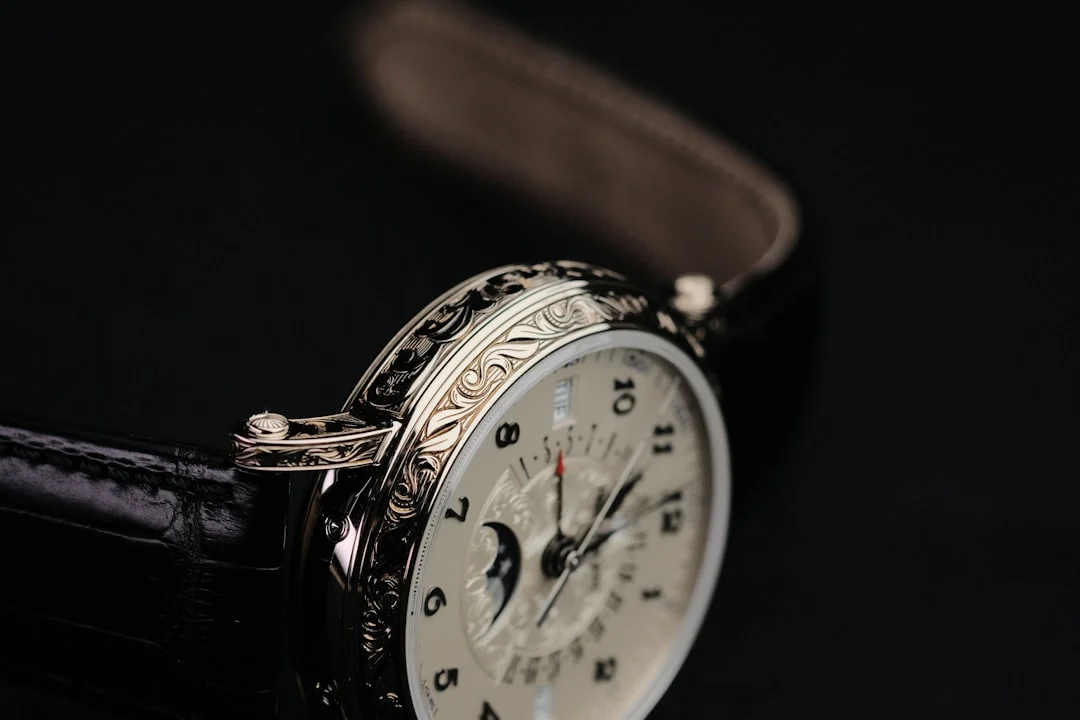
In the last decade the secondary market for Swiss horology has exploded, turning what was once a niche hobby into a multi‑billion‑dollar industry. Buyers are drawn to the timeless engineering of brands like Patek Philippe, Audemars Piguet, and Rolex, yet the very allure of these pieces also fuels a sophisticated counterfeit ecosystem. For the discerning collector, the ability to separate a genuine masterpiece from a replica is no longer optional—it’s a prerequisite for protecting both reputation and capital.
Authenticating a pre‑owned Swiss luxury watch involves confirming the case, dial, movement, and provenance against the maker’s official records, often with the help of specialist tools and third‑party experts. By cross‑checking serial numbers, inspecting micro‑etching, and evaluating the watch’s service history, a buyer can achieve a high degree of confidence before committing to a purchase.
Why Authentication Is a Non‑Negotiable Step
The stakes are high. According to Bain & Company, the global pre‑owned luxury watch market reached $12.5 billion in 2025, driven largely by demand for vintage Swiss pieces. Yet a 2024 Statista survey found that 68 % of respondents had encountered at least one suspicious watch during their buying journey. Counterfeit models not only erode trust but can also cause severe financial loss; McKinsey estimates that counterfeit Swiss watches accounted for 7 % of total sales in 2023. These figures underscore why rigorous authentication is essential for anyone looking to add a high‑end timepiece to their collection.
Core Elements of a Reliable Authentication Process
- Serial number verification against the manufacturer’s database.
- Examination of the case material, finishing, and hallmark engravings.
- Dial analysis, including font, logo placement, and luminescence patterns.
- Movement inspection—identifying the caliber, jewel count, and finishing details.
- Provenance documentation, such as original purchase receipts, service records, and box.
Step‑by‑Step Guide
1. Gather All Available Documentation
Begin by requesting the original box, warranty card, and any service invoices. Authentic sellers will usually retain these items, and they serve as the first line of evidence. A missing paper trail does not automatically mean a watch is fake, but it raises the risk profile.
2. Check the Serial and Model Numbers
Swiss manufacturers engrave a unique serial number on the case back and a model reference on the dial or lugs. Cross‑reference these numbers with the brand’s official online verification portal or contact an authorized dealer. For Rolex, the official serial lookup can confirm the production year within a ±2‑year margin.
3. Conduct a Visual Inspection of the Case
Look for hallmarks such as the “Swiss Made” stamp, the brand logo, and the appropriate metal purity marks (e.g., 18 K for gold). Counterfeit cases often have shallow engravings, uneven fonts, or incorrect spacing. Use a 10× loupe or a digital microscope to assess the finishing on the bezel, lugs, and crown.
4. Evaluate the Dial Details
The dial is the most telling component. Authentic pieces feature perfectly aligned hour markers, consistent font weight, and a specific luminescent coating. For example, a genuine Audemars Piguet Royal Oak displays a “tapisserie” pattern that is crisp and uniform; a fake will show blurred or uneven lines.
5. Open the Case Back (or Access the Movement)
If you have the technical skill—or are working with a trusted watchmaker—inspect the movement. Verify the caliber number, the number of jewels, and the finishing of the bridges. A Patek Philippe Calibre 240, for instance, has a distinctive “Grand Feu” decoration that is difficult to replicate.
6. Authenticate the Bracelet and Clasp
Original bracelets carry brand‑specific links, micro‑etching, and sometimes a hidden serial number. Rolex’s Oyster bracelet, for example, includes a “Crown” logo on the clasp that is laser‑etched with microscopic precision.
7. Seek Third‑Party Verification
Even seasoned collectors turn to independent authentication services such as WatchCSA, Chrono24’s Trusted Seller program, or the International Watch & Jewellery Guild. These entities provide a written certificate and often a high‑resolution image set, adding an extra layer of assurance.
Tools of the Trade
Professional authentication relies on a blend of low‑tech and high‑tech instruments:
- 10×–30× loupe or digital microscope for surface inspection.
- UV light to reveal hidden markings and luminescent paint.
- Micro‑etching verification device (e.g., Micrometer) for brand‑specific micro‑patterns.
- Serial number database access (often subscription‑based).
- Precision movement disassembly tools for watchmakers.
Comparison of Authentication Methods
| Method | Accuracy | Cost | Time Required |
|---|---|---|---|
| Visual Inspection Only | Low – prone to human error | Minimal – free | 5–10 minutes |
| Serial Number Verification | Medium – depends on database access | Low–Medium – $10–$50 per lookup | 10–15 minutes |
| Movement Analysis (by watchmaker) | High – reveals internal inconsistencies | Medium – $150–$300 | 30–45 minutes |
| Third‑Party Authentication Service | Very High – expert opinion + certificate | High – $300–$800 | 1–2 weeks (including shipping) |
Red Flags to Watch For
Even with a systematic approach, certain warning signs should trigger deeper investigation:
- Inconsistent font or spacing on the logo.
- Case back engraving that feels shallow or uneven.
- Dial colors that appear overly bright or faded.
- Missing or mismatched serial numbers between case and paperwork.
- Excessively low price compared to market benchmarks (e.g., a 2020 Audemars Piguet Royal Oak selling for 30 % below the average secondary‑market price).
Market Trends Shaping Authentication Practices
Data from Deloitte’s 2025 Luxury Goods Outlook indicates that 42 % of high‑net‑worth buyers now prefer purchasing through verified online marketplaces that embed authentication guarantees. Moreover, blockchain‑based provenance platforms such as Everledger have recorded over 1.2 million watch entries by the end of 2025, offering immutable records that simplify the verification process.
Another emerging trend is the use of AI‑driven image analysis. A 2026 study by the Swiss Watch Industry Federation (SWIF) demonstrated that machine‑learning models could correctly identify counterfeit Rolex Submariners with a 96 % success rate, based on high‑resolution macro images of the dial and case.
Conclusion
Authenticating a pre‑owned Swiss timepiece is a multi‑layered discipline that blends meticulous visual scrutiny, technical movement knowledge, and reliable third‑party validation. As the secondary market continues to expand and technology reshapes verification methods, collectors who invest in a disciplined authentication workflow will safeguard both their financial interests and the heritage of Swiss watchmaking.
FAQ
Can I authenticate a watch myself without a professional?
Yes, you can perform a preliminary check using a loupe, serial number lookup, and visual comparison against official brand images, but a professional opinion remains the gold standard for high‑value pieces.
What is the most reliable way to verify a Rolex?
Cross‑reference the serial and model numbers with Rolex’s official database, examine the micro‑etched crown logo on the case back, and, if possible, have the movement inspected by a certified watchmaker.
How much does third‑party authentication typically cost?
Fees range from $300 to $800 depending on the service provider, the watch’s complexity, and whether a full disassembly is required.
Are blockchain provenance records tamper‑proof?
Blockchain entries are immutable once recorded, making them a highly trustworthy source for tracking ownership history and service events.
What should I do if the serial number is missing?
Absence of a serial number is a major red flag; consider requesting a full expert appraisal or walking away from the transaction.
Do vintage watches require different authentication steps?
Vintage pieces often lack modern hallmarks, so greater emphasis is placed on movement analysis, period‑correct dial styles, and provenance documentation.
Is a watch’s resale value affected by authentication?
Yes, a verified authenticity certificate can increase resale value by 10‑15 % and reduces buyer hesitation in secondary‑market transactions.
Entities: Exclusive Thing, Bain & Company, Statista, McKinsey & Company, Deloitte, Swiss Watch Industry Federation, WatchCSA, Chrono24, Everledger, Patek Philippe, Audemars Piguet, Rolex, Omega, TAG Heuer, Breitling, Hublot, IWC Schaffhausen, Jaeger‑LeCoultre, Vacheron Constantin, Cartier, Breguet.