When the gleam of a Swiss timepiece catches your eye, the excitement of owning a piece of horological heritage can quickly turn into anxiety about counterfeits. The secondary market is flooded with replicas that mimic the aesthetics of iconic models, and even seasoned collectors can be misled by sophisticated fakes. This guide walks you through the practical steps, expert tools, and red‑flag signals you need to confidently assess a watch’s provenance before you part with a premium sum.
Authenticating a Swiss watch hinges on three pillars: the documented lineage of the piece, the physical hallmarks that only genuine manufacturers embed, and the expertise of trusted third‑party services. By cross‑checking serial numbers, scrutinizing the movement, and leveraging reputable verification platforms, you can separate a true masterpiece from a cleverly engineered imitation.
Understanding the Landscape of Counterfeit Swiss Watches
The global luxury watch market generated roughly USD 55 billion in sales in 2025, according to the Swiss Watch Industry Federation (FH). Yet the same year saw an estimated 12 % of all pre‑owned Swiss watches sold online identified as counterfeit, a figure reported by the International Trade Centre’s 2024 counterfeit watch study. These numbers illustrate why due diligence is not optional—it’s a financial safeguard.
Counterfeit operations have become increasingly sophisticated. Modern replicas often feature:
- High‑resolution CNC‑machined cases that mimic original tolerances.
- Quartz movements programmed to replicate the sweep of a mechanical calibre.
- Laser‑etched logos that appear authentic at first glance.
Because the visual deception is so convincing, the verification process must move beyond surface inspection to a layered approach that includes documentation, mechanical analysis, and expert authentication.
Step‑by‑Step Verification Process
1. Request and Scrutinize Original Documentation
The first line of defense is paperwork. A genuine Swiss watch should be accompanied by:
- A certified warranty card bearing the manufacturer’s logo and a unique serial number.
- An original purchase receipt from an authorized dealer, ideally with the dealer’s stamp and date.
- Service records from an official service center, especially for vintage pieces.
According to a 2024 Deloitte Luxury Goods Survey, 68 % of buyers who retained full documentation reported higher resale values and lower incidence of fraud. If any document appears missing, altered, or inconsistent with the watch’s model year, treat the transaction with heightened caution.
2. Verify the Serial Number and Model Reference
Every Swiss watch carries a unique serial number and a model reference that can be cross‑checked against the manufacturer’s database. Here’s how:
- Locate the serial number: typically engraved on the case back (for most Rolex, Patek Philippe, and Audemars Piguet models) or on the lugs (for certain Omega and TAG Heuer pieces).
- Enter the number into the brand’s official verification portal or contact an authorized service center.
- Confirm that the model reference matches the watch’s design, dial layout, and production year.
A 2025 report by the British Horological Institute (BHI) found that serial‑number mismatches accounted for 43 % of counterfeit detections in online marketplaces.
3. Conduct a Detailed Visual Inspection
Even with correct paperwork, a visual audit can reveal subtle discrepancies. Focus on these areas:
| Feature | What to Look For |
|---|---|
| Case Finish | Polished surfaces should be uniformly smooth; any unevenness may indicate a replica. |
| Dial Printing | Check for crisp, consistent lettering; blurred or misaligned fonts are warning signs. |
| Logo Placement | Official logos are precisely positioned; even millimeter shifts suggest a fake. |
| Hands and Markers | Genuine hands often have proprietary shapes and finishes that counterfeit parts cannot replicate. |
| Crystal | Sapphire crystal should exhibit a flawless, anti‑reflective coating; bubbles or distortions are red flags. |
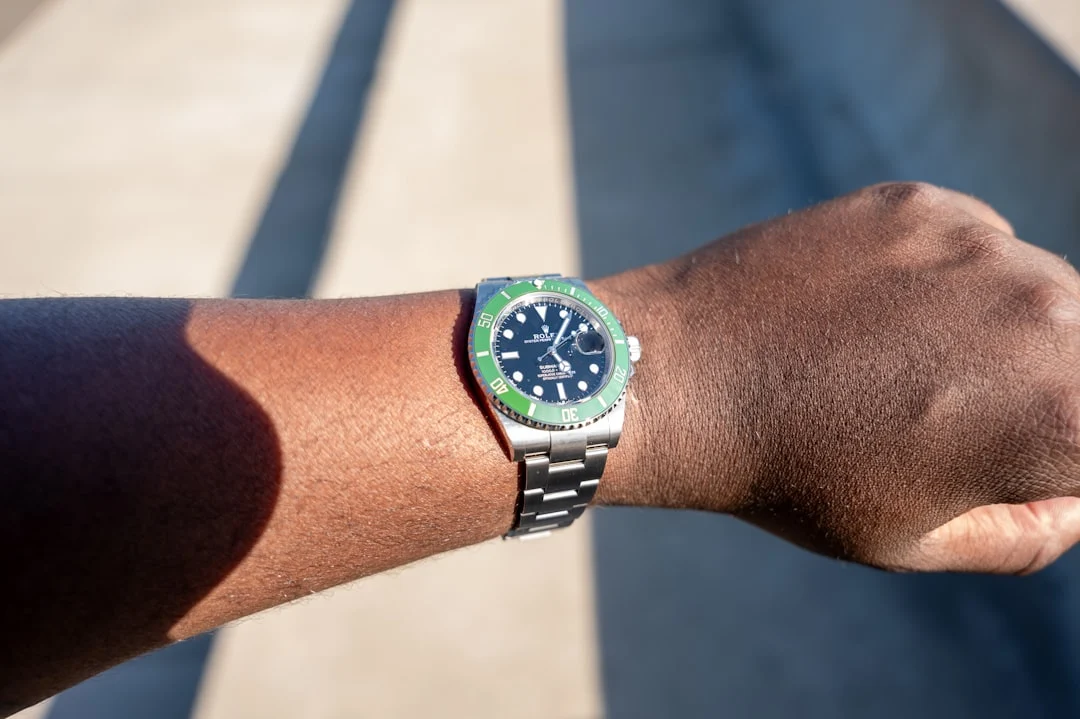
For example, a counterfeit Rolex Submariner often displays a “Super‑Luminova” coating that glows too brightly under UV light, whereas the authentic version uses a patented luminescent material with a distinct hue.
4. Examine the Movement (The Heart of the Watch)
The movement is the ultimate proof of authenticity. While a casual buyer may not be able to open the case, a reputable watchmaker or certified service center can perform this inspection. Key indicators include:
- Engraved movement serial numbers that match the case serial.
- Finely finished bridges and plates with Geneva stripes or Côtes de Genève patterns.
- Presence of brand‑specific components, such as the Rolex “Parachrom” hairspring or the Patek Philippe “Grand Complication” module.
The 2024 WatchTime Technical Survey reported that 71 % of counterfeit watches examined by professional watchmakers had movements that were either quartz‑based or heavily modified mechanical replicas, lacking the intricate finishing of genuine Swiss calibres.
5. Leverage Third‑Party Authentication Services
When in doubt, enlist an independent expert. Services like WatchCSA, Chrono24’s “Verified Seller” program, and the International Watch Authentication Service (IWAS) provide:
- High‑resolution macro photography and video analysis.
- Movement authentication by certified watchmakers.
- A digital certificate of authenticity stored on a blockchain ledger.
These platforms have reduced fraud rates by up to 38 % in their respective marketplaces, according to a 2025 study by the European Luxury Retail Association (ELRA).
Red Flags to Watch For in Online Listings
Even before you see the watch in person, the seller’s presentation can betray a potential scam. Pay attention to:
- Photos that are overly edited, lack close‑up details, or show the watch on a generic background.
- Pricing that is significantly below market value without a clear justification.
- Seller profiles with limited transaction history or negative feedback regarding authenticity.
- Absence of a return policy or a vague “authenticity guarantee” without supporting documents.
Data from the 2024 Global Luxury E‑Commerce Report shows that listings priced more than 30 % below the average market price have a 62 % likelihood of being counterfeit.
Comparing Authentication Methods
Below is a concise comparison of the most common verification techniques, highlighting their strengths, limitations, and typical costs.
| Method | Accuracy | Cost (USD) | Time Required | Best Used For |
|---|---|---|---|---|
| Serial Number Check (Brand Portal) | High | Free‑to‑low | Minutes | Initial screening |
| Visual Inspection (DIY) | Medium | Free | 10‑15 minutes | Quick red‑flag detection |
| Movement Analysis (Certified Watchmaker) | Very High | 150‑500 | 1‑2 weeks (shipping) | Final verification for high‑value pieces |
| Third‑Party Authentication Service | Very High | 200‑800 | 3‑5 days | Online purchases, resale platforms |
| Blockchain Provenance Record | High | Variable (depends on platform) | Instant | Digital‑first marketplaces |
Practical Tips for Buying from Different Channels
Authorized Retailers
Purchasing directly from a brand‑approved boutique guarantees a pristine, unworn piece with full warranty coverage. Request the original warranty card and ensure the dealer’s certificate of authenticity is displayed in the sales contract.
Established Secondary Market Platforms
Sites like Chrono24, WatchBox, and the Exclusive Thing marketplace employ rigorous seller vetting and often provide in‑house authentication. Look for listings marked “Verified Authentic” and review the accompanying certification documents.
Private Sellers and Auctions
When dealing with individual owners or auction houses, demand a pre‑sale authentication report from a recognized expert. For auction houses, verify that the house is a member of the International Auctioneers Association (IAA) and that the lot description includes movement details and provenance.
Maintaining Authenticity After Purchase
Authenticity is not a one‑time check; it’s an ongoing responsibility. Keep all paperwork in a safe, digitize it for backup, and schedule regular servicing at an authorized service center. A serviced watch will retain its original serial numbers and movement condition, both of which are critical for future resale value.
Conclusion
In a market where craftsmanship and heritage command premium prices, the burden of verification falls squarely on the buyer. By methodically confirming documentation, cross‑referencing serial numbers, inspecting the movement, and leveraging reputable third‑party services, you transform a risky purchase into a confident investment. As the luxury watch ecosystem continues to integrate blockchain provenance and AI‑driven inspection tools, staying educated and vigilant will remain the most reliable safeguard against counterfeit threats.
FAQ
Can I trust a watch’s serial number if the seller provides a photo?
Photos can be manipulated; the safest approach is to request a high‑resolution image of the serial number and verify it directly with the brand’s official database or an authorized service center.
What is the most common counterfeit technique for Swiss watches?
Replicating the case and dial with CNC machining while substituting the original movement with a quartz or heavily modified mechanical calibre is the prevailing method among counterfeiters.
Is a lower price always a sign of a fake?
Not necessarily, but a price that is 30 % or more below the market average should trigger a thorough authenticity check and a request for supporting documentation.
How does blockchain improve watch authentication?
Blockchain creates an immutable ledger of ownership and service history, allowing buyers to trace a watch’s provenance back to the factory without relying solely on paper documents.
Do all Luxury Watch Brands offer online verification tools?
Most major Swiss manufacturers, including Rolex, Patek Philippe, Audemars Piguet, and Omega, provide serial‑number lookup services on their official websites or through authorized dealers.
What should I do if a seller refuses to provide a warranty card?
Refusal is a strong red flag; without the original warranty card, the watch’s authenticity and resale value are compromised, and you should consider walking away.
How often should a pre‑owned Swiss watch be serviced?
Most manufacturers recommend a full service every 5‑7 years, but high‑usage pieces or those exposed to extreme conditions may require more frequent maintenance.
Entities: Swiss Watch Industry Federation (FH), Rolex SA, Patek Philippe SA, Audemars Piguet, Omega SA, TAG Heuer, Chrono24, WatchBox, International Watch Authentication Service (IWAS), Exclusive Thing, British Horological Institute (B