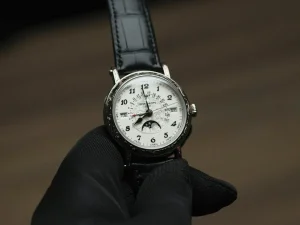
The world of collecting rare coins, fine art, and sculptures is a realm of luxury and refinement, where high net worth individuals can indulge in their passion for unique and valuable items. These investment assets have been a staple of wealth management for centuries, offering a tangible and often appreciating store of value. As the global luxury market continues to grow, the demand for rare and exclusive collectibles is on the rise, with many investors seeking to diversify their portfolios and own a piece of history.
For those looking to enter the world of collecting, it is essential to understand the intricacies of this market, where rare coins, fine art, and sculptures can serve as a hedge against inflation and a potential source of long-term appreciation.
Introduction to Collecting
Collecting rare coins, fine art, and sculptures requires a deep understanding of the market, as well as a keen eye for quality and authenticity. According to a report by Deloitte, the global art market was valued at over $67 billion in 2020, with rare coins and sculptures accounting for a significant portion of this figure. The same report noted that the market for rare coins alone was valued at over $5 billion in 2020, with many investors seeking to capitalize on the growing demand for these unique items.
The appeal of collecting rare coins, fine art, and sculptures lies in their rarity, beauty, and historical significance. Each item is a one-of-a-kind treasure that can be cherished and passed down through generations. Whether it’s a rare coin from ancient Greece or a sculpture by a renowned artist, these collectibles offer a tangible connection to the past and a sense of pride and ownership.
Types of Collectibles
There are many types of collectibles that high net worth individuals can invest in, each with its own unique characteristics and market trends. Some of the most popular types of collectibles include:
- Rare coins, such as gold and silver coins from ancient civilizations
- Fine art, including paintings, prints, and sculptures by renowned artists
- Sculptures, ranging from ancient relics to modern masterpieces
- Antiques, such as furniture, jewelry, and other decorative items
- Collectible items, such as rare books, stamps, and sports memorabilia
These collectibles can be purchased through various channels, including auction houses, galleries, and private dealers. According to a report by Sotheby’s, the global auction market for art and collectibles was valued at over $25 billion in 2020, with many high net worth individuals competing for the rarest and most valuable items.
Market Trends and Statistics
The market for rare coins, fine art, and sculptures is constantly evolving, with new trends and opportunities emerging every year. According to a report by Knight Frank, the global wealth report 2020, the number of high net worth individuals is expected to increase by 27% over the next five years, driving demand for luxury goods and collectibles. The same report noted that the global art market is expected to grow by 10% annually over the next five years, with rare coins and sculptures accounting for a significant portion of this growth.
Some key statistics that highlight the growth and potential of the collectibles market include:
– The global art market was valued at over $67 billion in 2020, according to Deloitte.
– The market for rare coins alone was valued at over $5 billion in 2020, according to Deloitte.
– The global auction market for art and collectibles was valued at over $25 billion in 2020, according to Sotheby’s.
– The number of high net worth individuals is expected to increase by 27% over the next five years, according to Knight Frank.
Comparison of Collectibles
When it comes to investing in collectibles, it’s essential to understand the different types of items available and their potential for appreciation. The following table compares some of the most popular types of collectibles:
| Collectible | Market Value | Potential for Appreciation |
|---|---|---|
| Rare Coins | $5 billion | High |
| Fine Art | $67 billion | Medium to High |
| Sculptures | $10 billion | High |
| Antiques | $5 billion | Medium |
| Collectible Items | $2 billion | Low to Medium |
As shown in the table, rare coins and sculptures have a high potential for appreciation, making them attractive investment opportunities for high net worth individuals.
Investing in Collectibles
Investing in collectibles requires a deep understanding of the market and a well-thought-out strategy. Some key points to consider when investing in collectibles include:
- Research the market and the item you’re interested in purchasing
- Authenticate the item to ensure its legitimacy and value
- Diversify your portfolio by investing in a range of collectibles
- Store your collectibles securely to protect their value and condition
- Insure your collectibles against loss or damage
By following these tips and staying up-to-date with market trends, high net worth individuals can make informed investment decisions and build a valuable collection of rare coins, fine art, and sculptures.
FAQ
What is the best way to invest in collectibles?
Investing in collectibles requires a deep understanding of the market and a well-thought-out strategy. It’s essential to research the market, authenticate the item, diversify your portfolio, store your collectibles securely, and insure them against loss or damage.
How do I know if a collectible is genuine?
To ensure the genuineness of a collectible, it’s essential to work with reputable dealers and auction houses. You should also research the item and its provenance, and consider getting it appraised by an expert.
What are the most valuable types of collectibles?
The most valuable types of collectibles vary depending on the market and demand. However, rare coins, fine art, and sculptures are often among the most valuable and sought-after items.
How do I store my collectibles securely?
To store your collectibles securely, you should consider using a safe or a secure storage facility. You should also keep your collectibles away from direct sunlight, moisture, and extreme temperatures.
Can I insure my collectibles against loss or damage?
Yes, you can insure your collectibles against loss or damage. Many insurance companies offer specialized policies for collectibles, which can provide financial protection in the event of loss or damage.
What are the tax implications of investing in collectibles?
The tax implications of investing in collectibles vary depending on the jurisdiction and the type of collectible. It’s essential to consult with a tax professional to understand the tax implications of your investment.
Conclusion
The art of collecting rare coins, fine art, and sculptures is a complex and nuanced field that requires a deep understanding of the market and a well-thought-out strategy. By researching the market, authenticating items, diversifying portfolios, storing collectibles securely, and insuring them against loss or damage, high net worth individuals can make informed investment decisions and build a valuable collection of unique and appreciating assets. As the global luxury market continues to grow, the demand for rare and exclusive collectibles is likely to increase, making this a exciting and potentially lucrative investment opportunity for those who are willing to take the time to understand the market and make informed decisions. Key entities in this space include Sotheby’s, Christie’s, and Deloitte, which provide valuable insights and services to collectors and investors.