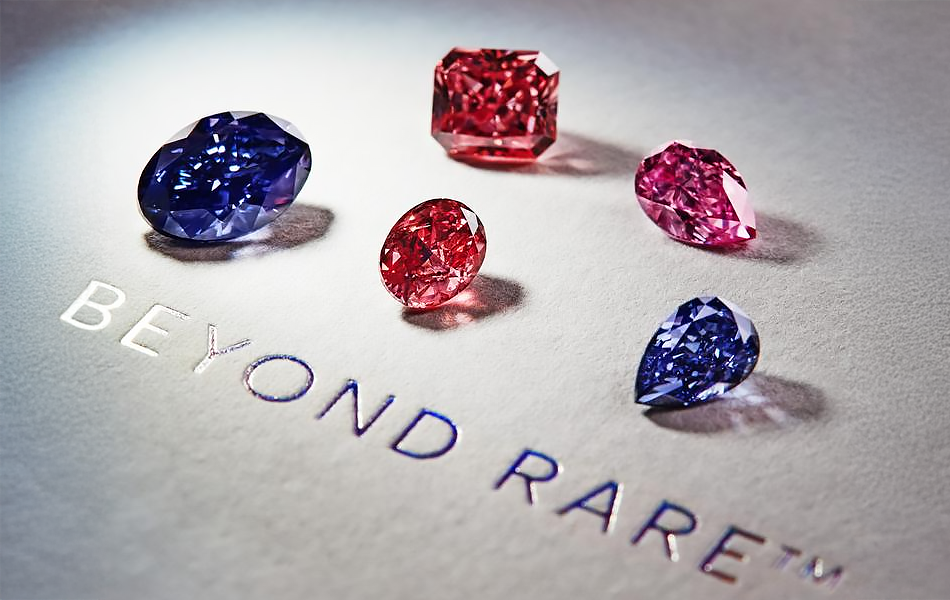
Collecting rare diamonds is an art that blends passion, expertise and financial strategy. For millionaires and sophisticated investors, diamonds offer a unique combination of aesthetic brilliance, rarity and long-term value. Understanding provenance, evaluation techniques and market trends is critical for building a collection that is both beautiful and financially rewarding.
The first consideration in collecting rare diamonds is quality, traditionally measured by the Four Cs: Cut, Color, Clarity and Carat weight. Cut determines brilliance and scintillation; color, especially for fancy colored diamonds, can significantly enhance value; clarity reflects inclusions and imperfections; and carat weight measures size. Exceptional stones that excel in all four dimensions are exceedingly rare and command premium prices at auctions and private sales.
Provenance plays an equally important role. Diamonds with documented ownership histories, particularly those connected to royalty or famous collections, carry added value. For example, stones that have passed through historical European or Indian royal families are often more desirable to collectors, merging aesthetic appeal with a narrative that elevates financial worth.
Market trends are critical for collectors. The global demand for rare diamonds is influenced by emerging markets, economic conditions and celebrity visibility. Auction houses such as Christie’s, Sotheby’s and Phillips provide insights into market pricing and demand patterns, making them invaluable resources for collectors seeking to maximize investment potential.
Certification is another cornerstone of collecting. Independent verification from GIA, HRD, or IGI laboratories ensures authenticity, quality and clarity. Certified diamonds are more liquid in secondary markets and provide confidence for investors making high-value acquisitions.
Collectors often pursue rare or unique diamonds, such as colored diamonds, large flawless stones or historically significant pieces. These acquisitions serve multiple purposes: they are aesthetically exceptional, culturally significant and financially strategic. Limited availability further enhances market appreciation, making rare diamonds a cornerstone of high-end collections.
Finally, successful collectors balance passion with prudence. Understanding market dynamics, provenance, and quality ensures acquisitions are not only visually captivating but also financially sound. Investing in rare diamonds requires diligence, patience and discernment – qualities that distinguish casual enthusiasts from sophisticated collectors and high-net-worth investors.
In conclusion, collecting rare diamonds is a sophisticated endeavor that combines beauty, heritage and strategic investment. For millionaires and luxury investors, building a curated diamond collection provides both personal satisfaction and tangible financial value, ensuring that each acquisition is a legacy asset poised to retain and grow in worth over time.