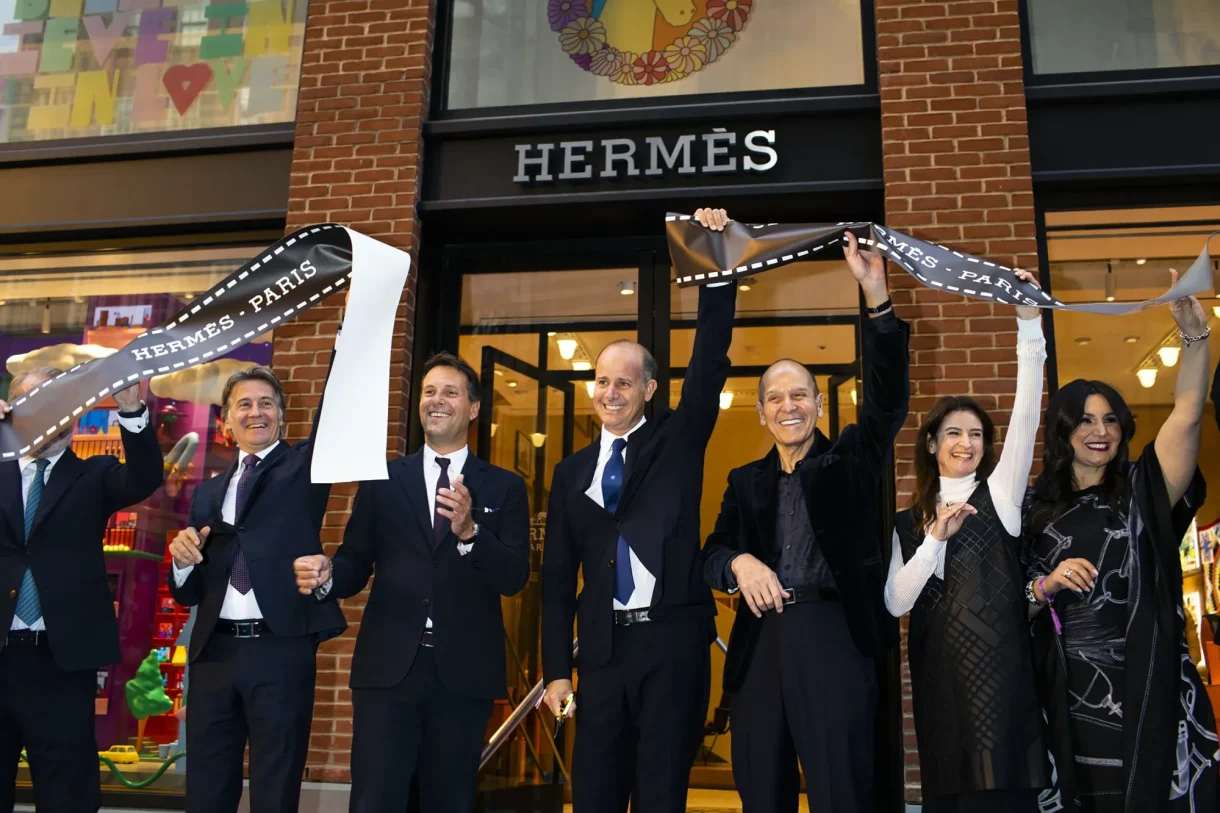
The Hermès family represents one of the most remarkable examples of disciplined family ownership in the luxury sector. Founded in 1837 as a harness workshop in Paris, Hermès has grown into a symbol of exclusivity, craftsmanship, and restraint.
Unlike many luxury brands that pursued aggressive expansion, Hermès deliberately limited production and distribution. This scarcity-driven strategy elevated demand and preserved brand integrity. The company remains majority-controlled by family members, many of whom actively participate in governance.
Hermès products – from Birkin bags to silk scarves – are not just fashion items but financial assets. Secondary market prices often exceed retail value, reinforcing the brand’s perception as both luxury and investment.
The Hermès family famously resisted acquisition attempts by larger conglomerates, choosing independence over scale. This decision preserved creative autonomy and allowed the company to maintain its long-term vision without external pressure.