Luxury jewelry has a history as old as civilization itself. Ancient cultures used gemstones not only as adornments but as symbols of wealth, power and divine favor. For modern collectors and investors, studying these practices provides context for today’s high-end jewelry market and offers insights into provenance, rarity and cultural significance.
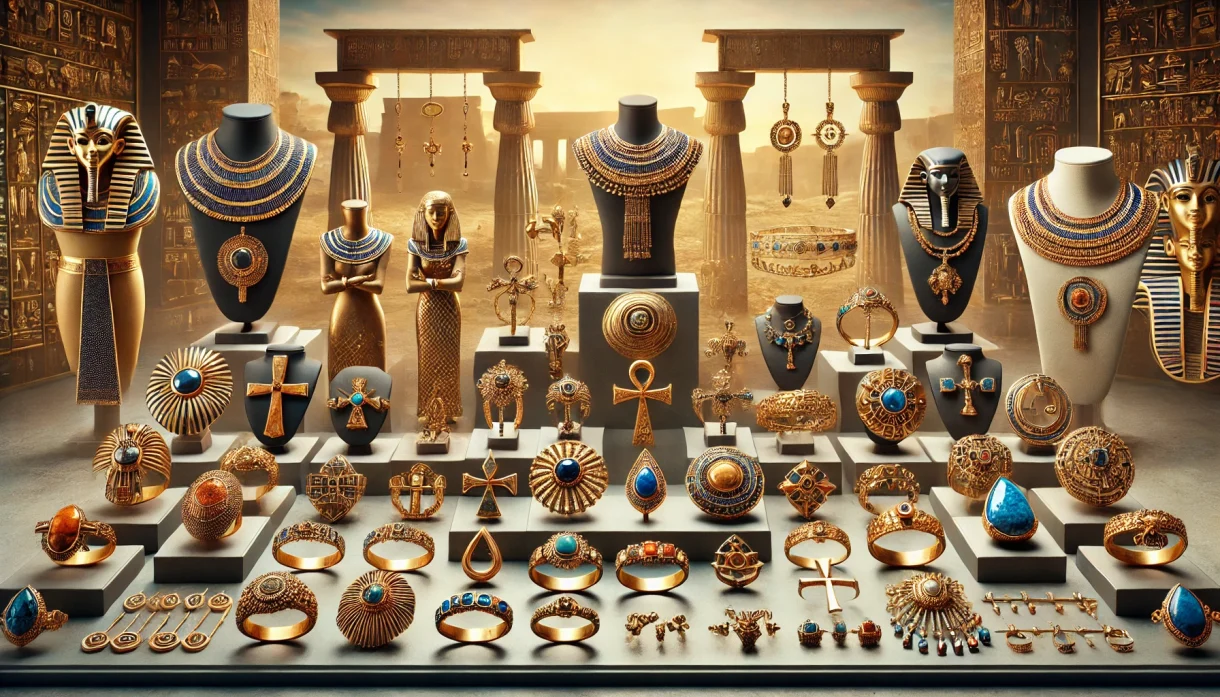
In ancient Egypt, jewelry was a marker of social status and spiritual protection. Pharaohs and nobles adorned themselves with lapis lazuli, turquoise, carnelian and emeralds. These stones were believed to channel divine energy, protect the wearer, and signify eternal life. Iconic artifacts, such as Tutankhamun’s burial mask, demonstrate the Egyptian mastery of gem setting and artistry, blending aesthetics with symbolic meaning.
Mesopotamian civilizations, including the Sumerians and Babylonians, incorporated gemstones into ceremonial and decorative items. Lapis lazuli, sourced from distant mines, symbolized power and prestige. Beads, seals and elaborate necklaces served as both luxury objects and indicators of social hierarchy. For collectors, pieces originating from these regions are rare and historically significant, commanding high value in auctions.
Rome embraced gemstones as both status symbols and investment vehicles. Wealthy citizens displayed diamonds, emeralds and garnets to signal power and refinement. Roman jewelry often incorporated intricate metalwork, highlighting the fusion of artistry and gemstone value. Coins and historical records reveal the high demand for exotic stones, foreshadowing modern collector behavior and global gemstone markets.
Ancient jewelry practices influence contemporary luxury collections. Provenance, craftsmanship, and historical context remain crucial factors for investors. Owning a gemstone or artifact with roots in ancient civilizations connects collectors to millennia of cultural heritage, enhancing both aesthetic and financial value.
In conclusion, the jewelry of ancient civilizations demonstrates that gemstones have always been more than adornments – they are cultural artifacts, historical investments, and symbols of status. Understanding their origins equips collectors and investors to make informed, strategic acquisitions that blend beauty, rarity and legacy.