In today’s global luxury landscape, ultra-premium goods have transformed from symbols of status into powerful expressions of identity, craftsmanship, and personal philosophy. Wealthy consumers, especially those belonging to the world’s top 1%, no longer chase logos for recognition. Instead, they gravitate toward items that represent rarity, heritage, and unmatched quality. The rise of premium goods is not only reshaping the luxury market – it is redefining what it means to live a life of abundance.
The modern affluent buyer is very different from the high-net-worth individuals of past decades. Instead of simply acquiring possessions, they are curating a lifestyle that communicates taste, refinement, and a deeply personal worldview. As a result, the luxury sector has shifted toward exclusivity, craftsmanship, and limited-edition production. Brands now produce fewer units at significantly higher prices, ensuring that their products remain scarce and desirable.
Another major driver behind the premium goods boom is the growing demand for personalization. Wealthy consumers want items that reflect their individuality — bespoke watches, custom-built yachts, tailored fragrances, and handcrafted fashion pieces. This level of customization transforms a product into a one-of-a-kind personal artifact. Luxury houses invest heavily in master artisans, proprietary materials, and private client programs to fulfill these expectations.
Technology has also elevated premium goods beyond traditional categories. Today’s affluent buyers invest not only in couture, jewelry, or cars but also in smart luxury devices, home automation with artistic design, and innovative personal wellness tools. High-end technology blends functionality with prestige, creating a new frontier of premium consumption. A billionaire’s residence may include climate-controlled wine vaults, private AI-driven art galleries, biometric security systems, and fully automated living environments.
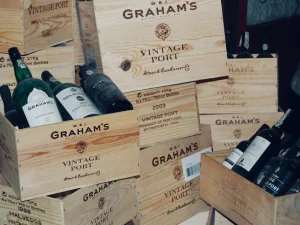
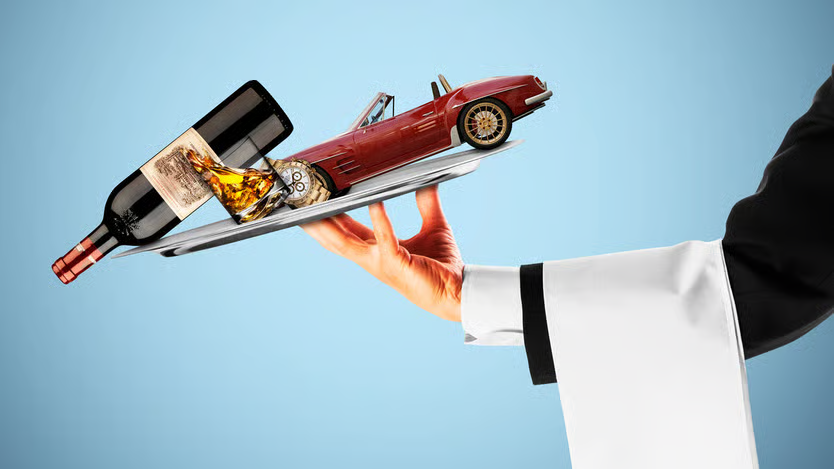
Another fascinating aspect is the emotional value attached to premium goods. Ultra-wealthy individuals often see luxury items as generational investments – pieces that will retain or increase their value over time. Fine timepieces, vintage automobiles, rare whiskies, and contemporary art are purchased not just for enjoyment but for long-term financial security. The emotional satisfaction of owning something meaningful, rare, and irreplaceable strengthens the appeal of premium products.
Experiential luxury also plays a major role. Affluent consumers are more likely to spend on exclusive services – private travel experiences, concierge memberships, invitation-only wellness retreats, and private dining events with world-renowned chefs. These experiences often integrate premium goods, creating a complete ecosystem where physical objects enhance memorable moments.
Sustainability has surprisingly become another cornerstone of ultra-premium culture. Wealthy buyers are increasingly drawn to ethically sourced gemstones, eco-friendly exotic materials, green architecture, and brands that support environmental preservation. For many, luxury is no longer about extravagance – it is about responsible stewardship. Responsible luxury proves that beauty and ethical consciousness can coexist.
In the end, the rise of premium goods among wealthy individuals reflects deeper social evolution. Luxury is now defined by subtlety, rarity, craftsmanship, personalization, and emotional significance. The modern elite are not chasing status; they are investing in artifacts that tell a story. Ultra-premium goods symbolize not only success but also the values, priorities, and aspirations of those who collect them. As long as craftsmanship, innovation, and exclusivity continue to evolve, the world of premium goods will remain one of the most dynamic and fascinating sectors for generations to come.