

Throughout history, rare gemstones have captivated the imagination of the elite, serving as symbols of power, wealth, and prestige. From the legendary diamonds of the Indian Maharajas to the emeralds cherished by European royalty, these precious stones are more than mere ornaments – they embody centuries of artistry, heritage, and cultural significance. For millionaires and collectors today, understanding the legacy of rare gemstones offers both historical insight and strategic investment potential.
The allure of gemstones has deep roots in human civilization. Ancient Egyptians adorned themselves with lapis lazuli, turquoise, and carnelian, believing these stones held protective and spiritual properties. In Rome, gemstones were a marker of social status; emperors flaunted sapphires and emeralds as symbols of their authority. Across Asia, particularly in India and Burma, gemstones were not only worn for beauty but revered as sacred talismans influencing fortune and fate.
By the 17th and 18th centuries, European courts had amassed extensive collections of diamonds, rubies, sapphires, and emeralds. The Crown Jewels of England, the French Crown Regalia, and the Russian Imperial treasures illustrate the power of gemstones as instruments of diplomacy and symbols of sovereignty. Collectors today study these historic stones not only for their aesthetic appeal but also for their provenance, which significantly enhances value in the luxury market.
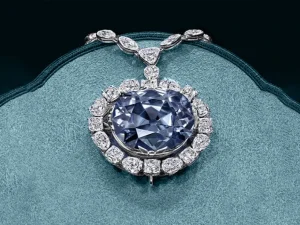
The cultural significance of gemstones extends beyond royalty. Legendary diamonds like the Hope Diamond or the Koh-i-Noor carry myths and lore that have influenced literature, fashion, and art. Sapphires are associated with wisdom and nobility, rubies with passion and courage, and emeralds with renewal and vitality. These symbolic meanings continue to resonate with high-net-worth individuals seeking jewelry that tells a story or complements their personal narrative.
Modern collectors approach gemstones not only as treasures but as strategic investments. Rare diamonds, particularly those of exceptional color or size, have shown consistent appreciation over decades. Colored gemstones like Burmese rubies or Kashmir sapphires command premium prices in auctions and private sales. For investors, factors such as rarity, historical significance, and certification determine the long-term value of each piece. Understanding a gemstone’s legacy allows collectors to make informed decisions that balance aesthetic appreciation with financial growth.
Art and fashion have also played a pivotal role in shaping the perception of gemstones. Iconic jewelry designs by Cartier, Van Cleef & Arpels, and Harry Winston merge artistry with gemology, creating pieces that are both museum-worthy and investment-grade. Exhibitions at institutions such as the Victoria and Albert Museum and Christie’s showcase the interplay between historical significance and contemporary luxury, educating collectors and inspiring sophisticated acquisitions.
In conclusion, the timeless legacy of rare gemstones is a testament to their enduring allure. For millionaires, collectors, and investors, these stones represent more than wealth – they embody culture, history, and artistry. Acquiring rare gemstones today requires not only a discerning eye but also a deep appreciation for their story, ensuring that each piece retains its significance for generations to come.