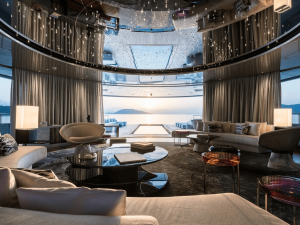
Stepping aboard a private jet should feel like entering a sanctuary that anticipates every nuance of the traveler’s desire. The cabin is not merely a place to sit; it is an extension of one’s lifestyle, a mobile suite where ergonomics, technology, and aesthetics converge to create an environment that rivals the most exclusive hotel penthouses. For the discerning high‑net‑worth individual, the interior is the ultimate differentiator—one that can transform a routine flight into an unforgettable experience of indulgence and productivity.
The hallmark of a truly comfortable private jet interior lies in a seamless blend of spaciousness, custom upholstery, climate control precision, acoustic insulation, and smart connectivity, all curated to the owner’s personal taste and the demands of modern travel.
Space Planning and Layout: The Foundation of Comfort
Unlike commercial airliners, private aircraft offer the liberty to design a floor plan that mirrors a private residence. The first question to ask is how the cabin’s square footage will be allocated. A well‑thought‑out layout balances social zones, workspaces, and private retreats.
- Cabin volume per passenger: Aim for at least 12 ft³ per seat; the Gulfstream G700 delivers 14 ft³, while the Embraer Praetor 600 offers 10 ft³ (Jetcraft, 2025).
- Zoning: Separate a lounge area with a low‑profile sofa from a conference table that folds away when not in use.
- Privacy screens: Motorised curtains or electro‑chromic glass provide instant seclusion without sacrificing natural light.
Designers often employ a “flow” concept, ensuring that movement between zones feels natural. For example, the Bombardier Global 7500’s “Living Room” concept uses a curved partition that subtly guides passengers from the galley to the rear suite, preserving intimacy while encouraging interaction.
Seat Architecture: Ergonomics Meets Luxury
Seat design is where comfort becomes personal. The best private jet seats incorporate aviation‑grade ergonomics with the plushness of a five‑star hotel suite.
Key features to evaluate:
| Feature | Why It Matters | Industry Example |
|---|---|---|
| Adjustable lumbar support | Reduces lower‑back fatigue on long legs | Dassault Falcon 10X “Bespoke” seats |
| Memory‑foam cushions | Conforms to body shape, distributes pressure | Gulfstream G650ER “Signature” seats |
| Integrated massage | Promotes circulation, eases tension | Embraer Legacy 650 “Executive” cabin |
| Seat‑to‑seat distance (pitch) | Ensures legroom and freedom of movement | Bombardier Global 5500, 78‑inch pitch |
| Temperature‑controlled upholstery | Maintains comfort across climates | HondaJet Elite “Climate‑Weave” |
According to a 2026 survey by the International Business Aviation Council (IBAC), 73 % of frequent flyers cite seat comfort as the single most decisive factor when choosing a jet charter service.
Materials and Finishes: Craftsmanship That Speaks
The tactile experience begins the moment a finger brushes the armrest. Premium materials such as full‑grain leather, hand‑stitched Alcantara, and sustainably sourced hardwoods not only look opulent but also age gracefully.
When selecting finishes, consider the following:
- Leather grade: Top‑grain or full‑grain leather offers durability and a natural patina. The Gulfstream G500’s “Saffron” leather is a popular choice among CEOs for its buttery feel.
- Wood veneers: Walnut, mahogany, or reclaimed teak add warmth. Bombardier’s “Heritage” line uses reclaimed aircraft oak, aligning luxury with sustainability.
- Metal accents: Brushed titanium or polished brass provide visual contrast without adding excessive weight.
- Acoustic panels: Fabric‑wrapped, sound‑absorbing panels reduce cabin noise by up to 15 dB (Honeywell Aerospace, 2025).
For owners who champion eco‑consciousness, the emerging “bio‑leather” made from pineapple fibers (Piñatex) delivers a cruelty‑free alternative without compromising on elegance.
Climate Control: Precision Temperature and Air Quality
Cabin climate is a science. The ideal system offers zonal temperature control, humidity regulation, and advanced air filtration.
Modern jets employ dual‑zone HVAC units that allow the front and rear cabins to be set at different temperatures. The Embraer Praetor 600’s “Climatic Comfort” system can maintain a steady 72 °F (22 °C) even when outside temperatures plunge to -30 °F (-34 °C).
Air quality is equally critical. HEPA filters, now standard on most new‑generation aircraft, capture 99.97 % of particles as small as 0.3 µm. A 2026 study by the American Society of Heating, Refrigerating and Air‑Conditioning Engineers (ASHRAE) found that cabins equipped with HEPA filtration reported a 42 % reduction in passenger-reported discomfort related to dryness or irritation.
Acoustic Engineering: Silence Is Golden
Noise is the silent enemy of comfort. While the roar of turbofan engines is inevitable, interior acoustics can be engineered to mute vibrations and external sound.
Key technologies include:
- Active Noise Cancellation (ANC): Microphones detect low‑frequency noise and emit counter‑phase sound waves. Gulfstream’s “QuietCabin” system reduces interior noise levels by up to 8 dB.
- Sound‑absorbing composites: Lightweight honeycomb panels lined with acoustic foam dampen reverberations.
- Vibration isolation mounts: Engine and landing‑gear mounts that minimize transmission of vibrations to the cabin structure.
The result is a cabin environment comparable to a high‑end recording studio, where conversation is effortless and sleep is uninterrupted.
Technology Integration: Work, Play, and Connectivity
Today’s jet owners expect a mobile office that rivals any ground‑based suite. Seamless connectivity and entertainment options are non‑negotiable.
Essential tech features include:
- Satellite internet: Providers such as Viasat and Inmarsat now deliver speeds up to 100 Mbps, enabling video conferencing and streaming in real time (Eurocontrol, 2025).
- Integrated AV systems: 4K OLED displays with touch‑screen controls, paired with a high‑fidelity surround‑sound system from Bang & Olufsen.
- Smart cabin management: Voice‑activated controls for lighting, blinds, and climate, often built on the same platform as luxury home automation (e.g., Crestron or Control4).
- Wireless charging and USB‑C power outlets at every seat, ensuring devices stay powered throughout the flight.
A recent report by the Business Aviation Advisory Council (BAAC, 2026) indicated that 68 % of charter clients rank onboard connectivity as a “must‑have” feature, and 54 % are willing to pay a premium for a cabin that supports seamless remote work.
Wellness Features: Beyond Comfort to Health
Luxury travel is evolving toward holistic well‑being. Private jet interiors now incorporate wellness‑focused amenities that go beyond plush seats.
Consider these additions:
- Adjustable lighting: Circadian‑rhythm LED panels that simulate sunrise and sunset, helping passengers maintain natural sleep cycles.
- Air ionisers: Reduce airborne contaminants and improve passenger alertness.
- In‑cabin fitness equipment: Compact resistance bands or a fold‑out yoga mat, often stored beneath seat cushions.
- Mini‑spa elements: A built‑in espresso machine, chilled wine chiller, and a small aromatherapy diffuser.
These touches transform a flight from a mere transit into a restorative experience, aligning with the growing “well‑travel” trend among affluent consumers.
Customization Process: From Vision to Reality
Achieving the ultimate interior is a collaborative journey between the owner, an interior designer, and the aircraft manufacturer. The process typically follows three phases:
- Concept Development: Mood boards, material samples, and 3D renderings help crystallise the vision.
- Technical Feasibility: Engineers assess weight, balance, and certification implications of chosen finishes and systems.
- Installation & Certification: Skilled craftsmen install the interior, followed by FAA/EASA approval.
Because weight directly impacts range, every kilogram of luxury must be justified. For instance, adding 150 lb of marble countertops could reduce a Gulfstream G650’s maximum range by roughly 150 nm (Gulfstream, 2025). Smart material choices—such as carbon‑fiber composite panels that mimic the look of stone—preserve aesthetics without compromising performance.
Cost Considerations: Investing Wisely
Luxury interiors are an investment, not an expense. The price tag varies widely based on materials, technology, and the extent of customization. According to a 2026 market analysis by Deloitte Aviation, average interior refurbishment costs range from $2 million for a mid‑size jet to $8 million for ultra‑long‑range aircraft.
Owners should weigh the following:
- Resale value: High‑quality, timeless finishes tend to retain value better than trend‑driven designs.
- Operating efficiency: Lightweight composites can offset the cost of premium amenities by preserving fuel efficiency.
- Brand alignment: An interior that reflects the owner’s personal brand (e.g., a tech entrepreneur may favour minimalist, high‑tech aesthetics) can enhance business perception.
Future Trends: What’s Next for Private Jet Interiors?
The next decade promises even more immersive experiences. Anticipated innovations include:
- Augmented reality windows: Transparent OLED panels that overlay flight data, destination highlights, or ambient scenery.
- Biophilic design: Living plant walls that improve air quality and create a calming atmosphere.
- Zero‑gravity lounges: Seats that subtly adjust to simulate weightlessness for short periods, enhancing comfort on ultra‑long hauls.
- Carbon‑neutral interiors: Materials certified by the Forest Stewardship Council (FSC) and powered by renewable‑energy‑derived cabin systems.
Staying ahead of these trends ensures that your jet remains a statement of forward‑thinking luxury for years to come.
FAQ
What is the optimal seat pitch for a private jet?
Industry leaders recommend a minimum of 78 inches of seat pitch, which provides ample legroom and ease of movement, especially on transcontinental flights.
Can I install a full‑size kitchen in a midsize jet?
While space constraints limit a full kitchen, many midsize cabins feature a galley with a compact espresso machine, wine cooler, and microwave, delivering a high‑end culinary experience without compromising range.
How does cabin weight affect flight range?
Every additional 100 lb of interior weight typically reduces an aircraft’s range by 100–150 nautical miles, depending on the model and fuel efficiency.
Are there certifications for luxury interior materials?
Yes. Materials used in aviation must meet FAA/EASA fire‑resistance standards (e.g., FAR 25.853), and many high‑end suppliers provide certifications for flame‑retardant, low‑off‑gassing fabrics.
What maintenance is required for premium leather seats?
Leather should be conditioned quarterly with aviation‑approved products to prevent cracking and maintain its natural luster; professional cleaning is recommended annually.
Is in‑flight Wi‑Fi reliable at high altitudes?
Modern satellite systems now offer 99 % connectivity uptime, delivering speeds comparable to terrestrial broadband, though occasional signal loss can occur over polar regions.
Can I personalize the cabin lighting colors?
Yes. Most new jets feature RGB LED lighting systems that can be programmed to match personal preferences or brand colors via a tablet interface.
In the realm of high‑net‑worth travel, the interior of a private jet is the ultimate expression of comfort, productivity, and personal style. By scrutinising space planning, seat ergonomics, material quality, climate precision, acoustic engineering, technology integration, wellness amenities, and future‑proofing options, owners can craft a cabin that not only meets but exceeds the expectations of the most discerning travelers.
As the luxury aviation market continues to evolve, the jet interior will increasingly become a mobile extension of one’s private residence, blending the intimacy of a boutique hotel with the efficiency of a corporate boardroom. Investing in thoughtful design today ensures that every mile in the sky feels like a first‑class experience on the ground.
Exclusive Thing, Private Jet Interior, Luxury Marketplace, Premium Goods, High‑End Travel, Aviation Design, Custom Aircraft Interiors, Luxury Lifestyle, Wealth Management, Global Luxury Economy