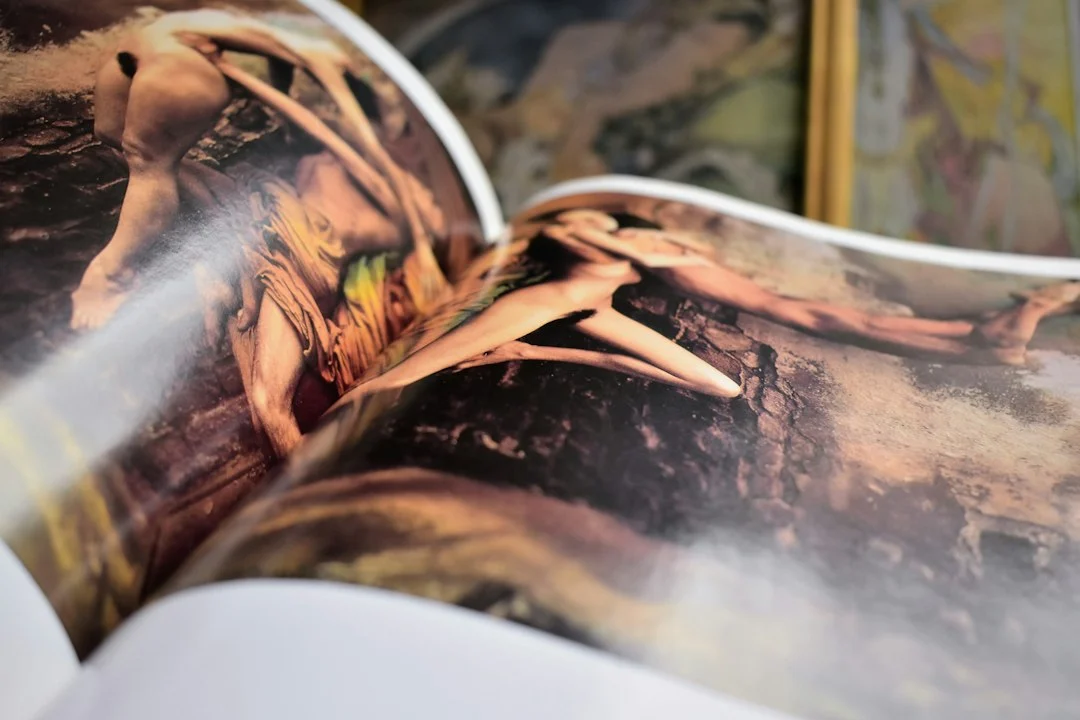
Building a fine‑art collection that feels truly luxurious is less about acquiring the most famous names and more about crafting a narrative that reflects personal taste, investment acumen, and the cultural capital of the collector. At Exclusive Thing we see collectors as curators of experience, and the process of assembling a world‑class portfolio demands the same rigor as selecting a private jet or a superyacht. Below is a practical, step‑by‑step roadmap that walks you through everything from defining a vision to protecting and displaying your masterpieces.
In short, start by clarifying your aesthetic and financial goals, then research artists, provenance, and market trends; acquire through reputable dealers or auctions; diversify by medium and period; insure and store properly; and finally, integrate the works into your living spaces with professional lighting and climate control.
1. Define Your Collection Philosophy
The first decision sets the tone for every subsequent purchase. Ask yourself:
- Do I want to champion emerging talent, or focus on blue‑chip masters?
- Am I building a legacy for my heirs, or a personal sanctuary?
- Which art movements resonate with my lifestyle—Abstract Expressionism, Contemporary Street Art, or perhaps Asian ink?
According to a 2025 report by Art Basel & UBS, 62 % of high‑net‑worth collectors cite “personal relevance” as the primary driver, while 38 % prioritize “investment potential.” Aligning your motivations early prevents buyer’s remorse and ensures a cohesive narrative across the collection.
2. Conduct Market Intelligence
Luxury art markets are data‑rich ecosystems. Leverage the following sources:
- Artprice Global Art Market Report 2024 – tracks auction results, indicating that sales of works by living artists grew 14 % year‑on‑year.
- TEFAF Art Market Survey 2023 – reveals that 27 % of collectors purchase through private dealers rather than public auctions, underscoring the value of trusted relationships.
- The Wealth-X Global Wealth Report 2025 – notes that the number of individuals with > $30 million in liquid assets reached 5.3 million, expanding the pool of potential co‑collectors and syndicates.
Use these insights to identify rising stars, price benchmarks, and geographic hotspots. For example, the surge in Chinese contemporary artists has lifted average secondary‑market prices by 22 % since 2022 (Artprice, 2024).
3. Build a Network of Trusted Intermediaries
Unlike mass‑market retail, fine‑art acquisition relies on relationships. Secure connections with:
- Established galleries such as Gagosian, Hauser & Wirth, and David Zwirner.
- Specialist auction houses – Christie’s “Modern & Contemporary” department and Sotheby’s “Post‑War & Contemporary” segment.
- Art advisors with proven track records; a 2024 Financial Times survey found that 41 % of collectors use advisors to vet authenticity.
When vetting an advisor, request references, review their transaction history, and ensure they adhere to the International Federation of Art Dealers (IFAD) code of ethics.
4. Establish a Budget and Funding Strategy
Luxury collectors often allocate a specific percentage of their investable assets to art. The 2025 UBS Wealth Management Survey shows an average allocation of 8 % for high‑net‑worth individuals, with a median spend of $4.2 million per acquisition cycle.
Consider financing options:
- Art‑backed loans from institutions like Lombard Odier, which offer up to 60 % of a work’s appraised value.
- Consignment agreements that allow you to exhibit a piece while retaining the option to sell later.
- Fractional ownership platforms (e.g., Masterworks) for ultra‑high‑value pieces such as a Warhol or a Basquiat.
5. Curate by Medium, Period, and Geography
A balanced portfolio mitigates risk and enhances visual intrigue. Below is a comparison of typical allocation strategies for a $20 million collection:
| Strategy | Paintings | Sculptures | Works on Paper | Digital/New Media |
|---|---|---|---|---|
| Conservative | 55 % | 20 % | 15 % | 10 % |
| Balanced | 45 % | 25 % | 20 % | 10 % |
| Growth‑Oriented | 35 % | 30 % | 15 % | 20 % |
For a luxury lifestyle, many choose the “Balanced” model, which provides strong visual impact while leaving room for emerging digital artists whose market is expanding at 32 % annually (Art Basel, 2024).
6. Verify Provenance and Authenticity
Every acquisition must be accompanied by a provenance dossier that traces ownership back to the artist or their estate. Key documents include:
- Certificate of authenticity signed by the artist or studio.
- Bill of sale from a reputable dealer or auction house.
- Exhibition history and catalogue‑raisonnée references.
Engage independent conservators or labs such as Conservators International for scientific analysis—infrared reflectography, pigment testing, and carbon dating—to confirm legitimacy, especially for works older than 100 years.
7. Negotiate Purchase Terms
Luxury transactions often involve nuanced terms beyond price:
- Right of first refusal on future works by the same artist.
- Buy‑back clauses that allow resale to the dealer at a pre‑agreed margin.
- Inclusive shipping, insurance, and installation services.
Document all conditions in a legally binding purchase agreement reviewed by counsel familiar with art law, such as the firm Hogan Lovells which specializes in cross‑border art transactions.
8. Insure and Secure the Collection
High‑value artworks demand comprehensive coverage. A typical policy includes:
- All‑risk coverage for fire, flood, theft, and accidental damage.
- Worldwide transit protection, with a deductible of no more than 2 % of the insured value.
- Valuation updates every 12 months to reflect market fluctuations.
Leading insurers like Axa Art and Chubb Fine Art offer bespoke policies for collectors whose holdings exceed $10 million.
9. Plan Optimal Storage and Display
Environmental control is non‑negotiable. Install climate‑controlled vaults or dedicated galleries with:
- Temperature maintained at 68–72 °F (20–22 °C).
- Relative humidity between 45–55 %.
- UV‑filtering lighting delivering no more than 150 lux for paintings.
For residential display, work with interior designers who specialize in art integration—such as Kelly Wearstler or Peter Marino—to create “white‑wall” spaces that enhance the visual impact while preserving the work’s integrity.
10. Document, Catalog, and Share
A digital catalogue raisonné is essential for both insurance and future resale. Platforms like Artsy Pro let you upload high‑resolution images, provenance records, and condition reports. Consider publishing a limited‑edition coffee‑table book that showcases your collection; this not only solidifies your brand as a patron but also adds a layer of public recognition that can enhance market value.
11. Review, Rebalance, and Exit Strategies
Art markets are cyclical. Conduct a portfolio review every 24 months, assessing:
- Performance against benchmark indices such as the Mei Moses Art Index.
- Emerging trends that may affect specific artists or mediums.
- Liquidity needs—identify works that can be sold quickly without compromising price.
When it’s time to divest, leverage both private sales and auction routes. A 2026 Forbes analysis shows that private treaty sales yield on average 7 % higher net proceeds than public auction for works under $5 million.
FAQ
How much should I spend on my first major acquisition?
For a new collector, experts recommend allocating no more than 10 % of your total art budget to a single piece, allowing diversification and flexibility.
Is it safer to buy through an auction or a private dealer?
Auction houses provide transparent price histories and rigorous due diligence, while private dealers often offer exclusive access and more flexible terms. Choose based on the specific work and your risk tolerance.
Can I finance an artwork?
Yes. Many banks and specialty lenders offer art‑backed loans up to 60 % of the appraised value, with interest rates comparable to prime lending.
What are the tax implications of buying art?
In the United States, art can be treated as a capital asset, allowing for a 28 % long‑term capital gains rate upon sale. Internationally, VAT and import duties may apply; consult a tax advisor experienced in cross‑border art transactions.
How do I protect my collection from climate damage?
Maintain stable temperature and humidity, use UV‑filtering glass, and avoid direct sunlight. Regular condition checks by a certified conservator are also essential.
Should I include digital NFTs in a traditional fine‑art collection?
Digital works are increasingly recognized as collectible assets. If you allocate 10–15 % of your portfolio to new media, ensure you store the underlying files in secure, climate‑controlled servers and retain provenance on a reputable blockchain.
What is the resale value of emerging artists after five years?
According to Artprice’s 2025 Emerging Artists Index, median secondary‑market returns for artists under 35 years old average 18 % annually over a five‑year horizon.
Conclusion
Curating a fine‑art collection for a luxury lifestyle is an intricate blend of aesthetic vision, disciplined research, and meticulous risk management. By following this step‑by‑step framework—defining your philosophy, leveraging market data, building trusted networks, and safeguarding each piece—you transform a series of acquisitions into a cohesive cultural legacy. As the global luxury marketplace continues to digitize and diversify, the most successful collectors will be those who treat art not just as decoration, but as a dynamic, appreciating asset that tells a personal story while engaging with the broader currents of the art world.
Entities: Exclusive Thing, Art Basel, UBS, Christie’s, Sotheby’s, Gagosian, Hauser & Wirth, David Zwirner, Lombard Odier, Masterworks, Axa Art, Chubb Fine Art, Kelly Wearstler, Peter Marino, Artsy Pro, Mei Moses Art Index.