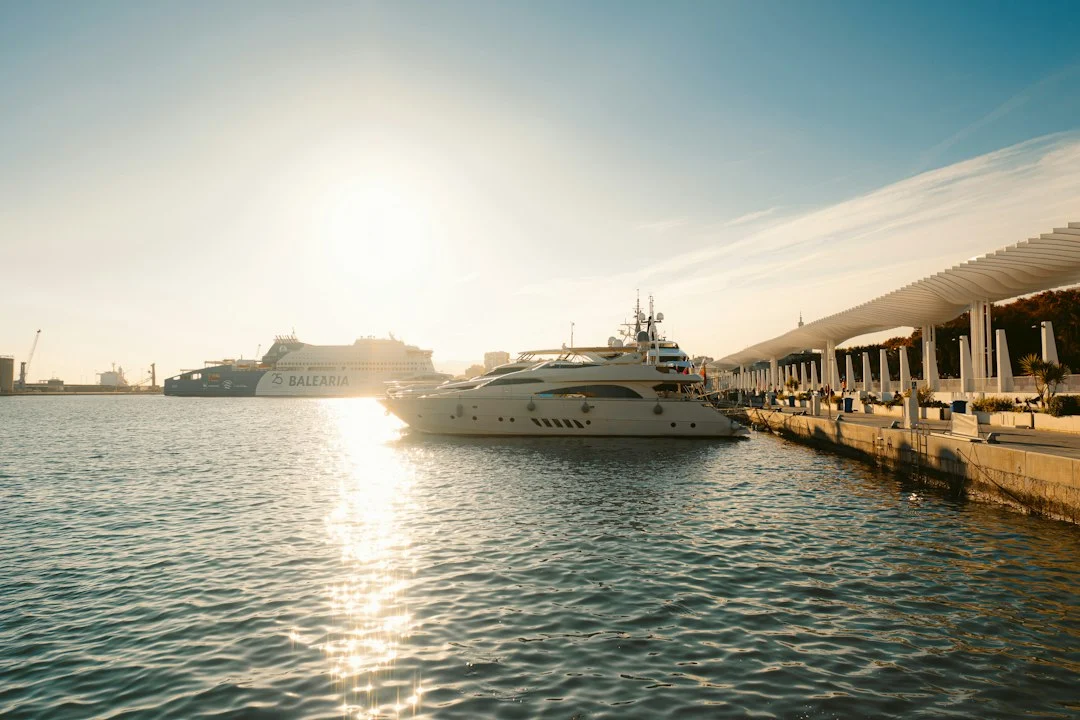
Understanding the Core Requirements of a Year-Round Superyacht
When you start dreaming about a vessel that will be your home, office and playground across every season, the checklist expands far beyond length and interior style. A yacht that can cruise comfortably from the icy waters of the North Atlantic to the balmy bays of the South Pacific must marry robust engineering with adaptable luxury. The first step is to define the practical parameters that separate a seasonal cruiser from a true all-year platform.
In short, a year-round superyacht needs a hull and systems built for extreme temperature swings, a climate-controlled interior that can stay cozy in sub-zero gales and refreshingly cool under a tropical sun, and a crew structure capable of handling diverse regulatory environments without compromising service quality.
Hull Design and Material Choices
The hull is the foundation of any vessel, but for perpetual cruising it becomes the decisive factor in safety, fuel efficiency and comfort. Two main construction philosophies dominate the market:
- Steel displacement hulls – prized for their strength, they absorb wave impact and provide a stable ride in rough seas. Their mass also contributes to a smoother motion, which is a boon for guests prone to seasickness. The downside is a heavier draft, limiting access to shallow anchorages.
- Aluminium planing hulls – lighter and more agile, they excel in warm waters where speed and fuel economy are priorities. However, aluminium can be more susceptible to fatigue in cold, high-stress environments, so extra reinforcement is often required for polar routes.
Hybrid constructions that combine a steel lower hull with an aluminium superstructure are increasingly popular. This approach leverages the durability of steel below the waterline while keeping the upper decks light enough for efficient cruising.
Engine and Propulsion Systems
Fuel consumption and reliability are paramount when you plan to be at sea for months without a port call. Diesel engines remain the workhorse of the industry, offering proven durability and a broad network of service facilities worldwide. For owners seeking a greener footprint, several alternatives are gaining traction:
- Dual-fuel diesel-LNG engines – they can switch between traditional marine diesel and liquefied natural gas, reducing emissions when operating in environmentally sensitive regions.
- Hybrid electric drives – a combination of diesel generators and battery banks provides silent, low-emission cruising at lower speeds, ideal for protected marine parks and night-time anchorage.
- Full electric propulsion – still niche due to limited range, but suitable for owners who intend to spend most of their time in coastal or island settings with ample charging infrastructure.
Regardless of the powerplant, a robust redundancy plan—typically two main engines and an auxiliary generator—ensures that a single failure will not strand the yacht.
Stability and Seakeeping
Long voyages demand a vessel that can handle both calm seas and sudden storms without compromising comfort. Modern superyachts employ several technologies to enhance stability:
- Active fin stabilizers – automatically adjust to wave patterns, reducing roll while the yacht is underway.
- Gyroscopic stabilizers – work even at anchor, creating a steadier environment for guests and crew.
- Hull form optimization – fine-tuned bow and stern shapes that cut through waves rather than slamming into them, improving fuel efficiency and reducing fatigue on the structure.
Climate Control and Interior Comfort
Living aboard a superyacht means the interior must be a sanctuary regardless of external temperature. High-performance HVAC systems with zone-specific controls allow you to keep the master suite at a different temperature than the galley or crew quarters. Look for:
- Triple-pane, insulated glazing to minimize heat loss in winter and heat gain in summer.
- Thermal-break doors and bulkheads that prevent condensation and maintain interior climate integrity.
- Smart climate management that integrates with weather routing software, pre-cooling or pre-heating spaces based on forecasted conditions.
Interior Layout for Seasonal Flexibility
A yacht designed for year-round cruising often features modular interior spaces that can be reconfigured as needs change. For instance, a convertible conference room can transform into a sun-deck lounge during summer, while a heated spa may double as a winter-time wellness suite. Key considerations include:
- Movable partitions that lock securely yet allow quick re-arrangement.
- Flooring that stays warm underfoot in colder climates, such as heated teak or engineered wood.
- Storage solutions that accommodate both winter gear (ski equipment, thermal clothing) and summer accessories (water sports gear, lightweight apparel).
Navigation and Communication Suite
Reliable navigation is non-negotiable for global cruising. Modern superyachts are equipped with integrated bridge systems that combine radar, satellite navigation, AIS and high-resolution chartplotters. For year-round operation, ensure the suite includes:
- Redundant GNSS antennas to maintain positioning when one fails.
- Satellite communication that offers both broadband internet and voice services, essential for remote work and staying connected with family.
- Advanced weather routing software that can suggest optimal courses to avoid severe weather, which is especially valuable in winter latitudes.
Crew Requirements and Lifestyle Management
Running a superyacht across multiple seasons means the crew must be adaptable. A typical core team includes a captain, chief engineer, deck officer, chef, and stewardess. However, for extended voyages you may want to add:
- A medical officer or a crew member with advanced first-aid training, given the limited access to shore-based healthcare in remote regions.
- A dedicated logistics coordinator who can handle customs, provisioning and local regulations as you move between jurisdictions.
- A wellness specialist or trainer to maintain guest health and morale during long passages.
Investing in crew training that covers cold-weather operations, tropical disease prevention and cultural etiquette ensures smooth interactions wherever you dock.
Regulatory Compliance Across Climates
Each maritime zone has its own safety and environmental standards. A vessel that sails year-round must meet the most stringent of these, often dictated by flag state and classification society. Key compliance areas include:
- Ice-class certification if you intend to navigate polar waters, which involves reinforced hull plating and heating systems for critical equipment.
- Emission control area (ECA) compliance, requiring scrubbers or low-sulphur fuel when entering protected zones such as the Mediterranean or North Atlantic.
- Safety equipment that functions reliably in both freezing temperatures and high humidity, such as liferafts with insulated canopies and fire suppression systems rated for extreme conditions.
Maintenance Strategies for Continuous Operation
Unlike seasonal yachts that undergo a major refit during off-season, a year-round cruiser must adopt a proactive maintenance regime. This typically involves:
- Scheduled dry-dock inspections every 12-18 months, focusing on hull integrity, propeller condition and engine wear.
- On-board condition-monitoring sensors that track vibration, temperature and oil quality in real time, allowing the chief engineer to address issues before they become critical.
- Partnerships with global service providers who can supply spare parts and technical support at remote ports, reducing downtime.
Luxury Amenities That Thrive in Any Season
Luxury on a superyacht is not just about opulent finishes; it’s about experiences that remain compelling regardless of weather. Consider amenities that adapt:
- Indoor pool with a retractable roof – can be used year-round, offering a heated swim in winter and an open-air experience in summer.
- Helipad with heated landing pad – essential for quick access to remote destinations where ground transport may be limited by snow or heat.
- Wellness center featuring a sauna, steam room and cryotherapy chamber – provides health benefits that complement both cold-weather recovery and post-sun exposure relaxation.
Financial Considerations and Return on Investment
While the upfront price of a superyacht is a major factor, the true cost of year-round cruising emerges over time. Operating expenses include crew salaries, fuel, dockage, insurance and routine maintenance. Owners often mitigate these through chartering during off-peak periods, but a vessel designed for all-season use must be appealing to charter guests in both winter and summer markets. Features such as a versatile interior, reliable performance in diverse climates and a strong brand reputation increase charter desirability.
Choosing the Right Builder and Designer
The partnership you form with a shipyard can shape the success of your project. Look for builders with a proven track record of delivering vessels that have logged extensive global itineraries. Their experience will translate into practical design solutions—like reinforced ballast systems for polar voyages or integrated solar panels for sustainable cruising in sunny regions. Engaging a designer who understands both the aesthetic expectations of the ultra-wealthy and the functional demands of a perpetual sailor ensures the final product feels both luxurious and seaworthy.
Case Study: A Hypothetical 110-Foot Yacht
Imagine a 110-foot superyacht built with a steel displacement hull, dual-fuel diesel-LNG engines, and a hybrid electric drive for low-speed maneuvering. The interior features a convertible master suite that can be heated for Arctic expeditions or cooled for Mediterranean summers. Stabilizers include both active fins and a gyroscopic system, guaranteeing comfort at anchor in the Caribbean and while cruising the North Sea. The crew complement consists of a captain, chief engineer, two deck officers, a chef, a stewardess, and a wellness specialist. The vessel holds an ice-class certification, enabling voyages to Svalbard in winter, while also meeting ECA standards for Mediterranean summer charters.
This example illustrates how each decision—from hull material to crew composition—interlocks to create a yacht capable of thriving in any season.
Key Takeaways Before You Commit
- Prioritize hull and propulsion systems that balance durability with fuel efficiency across temperature extremes.
- Invest in advanced stabilization and climate-control technologies to maintain comfort in rough seas and hot climates alike.
- Design interiors that can be reconfigured to suit seasonal activities and guest preferences.
- Ensure crew expertise covers both technical operations and the cultural nuances of global ports.
- Choose a builder with a legacy of successful all-season projects and a design team that marries luxury with practicality.
FAQ
What hull material is best for a yacht that will sail in both polar and tropical waters?
A hybrid approach—steel for the lower hull to withstand ice impact and aluminium for the superstructure to keep weight down—is often the most versatile solution.
Can a superyacht run entirely on electric power for year-round cruising?
Full electric propulsion is currently limited by battery capacity, making it suitable mainly for short coastal trips. Hybrid systems that combine diesel generators with battery storage are more realistic for continuous global cruising.
How often should a year-round superyacht be dry-docked?
Most owners schedule a comprehensive dry-dock inspection every twelve to eighteen months, focusing on hull integrity, propellers and engine wear.
Is ice-class certification necessary for cruising in the North Atlantic?
While not mandatory for all routes, ice-class certification provides added safety and flexibility, allowing access to colder regions such as the Arctic Circle without compromising hull strength.
What luxury amenities remain functional in both winter and summer?
Features like an indoor pool with a retractable roof, a heated helipad and a wellness center with sauna and cryotherapy can be enjoyed year-round, adapting to the climate outside.
Conclusion
Choosing a superyacht for perpetual cruising is a nuanced exercise in balancing engineering rigor with indulgent comfort. By focusing on robust hull construction, adaptable propulsion, sophisticated climate control and a crew capable of navigating diverse regulatory waters, you create a platform that delivers unforgettable experiences regardless of season. The right combination of technology, design and operational foresight ensures that your floating residence remains a reliable, luxurious haven as you explore the world’s most remote and spectacular destinations.