Performance and Powertrain
When two flagship electric sedans meet on a test track, the conversation instantly turns to how they generate and deliver power. The Tesla Model S Plaid employs a tri-motor architecture that pushes each axle to its limit, while the Porsche Taycan Turbo relies on a dual-motor setup tuned for precision. Both cars claim instantaneous torque, yet the way they manage heat, battery output, and drivetrain efficiency creates distinct driving experiences.
The Model S Plaid feels like a launch-control button on a supercar; the moment you lift off the accelerator, the car erupts forward with a surge that feels almost mechanical. Porsche, on the other hand, delivers power in a more measured fashion, with a linear ramp that keeps the cabin composed and the tires firmly planted. For buyers who crave raw, unfiltered acceleration, Tesla’s approach may feel more exhilarating. Those who prefer a balanced, track-ready feel might lean toward the Taycan’s refined delivery.
Design Language and Interior Craftsmanship
Design is where the two marques diverge most dramatically. Tesla’s exterior is a study in minimalist futurism—smooth surfaces, hidden door handles, and a silhouette that emphasizes aerodynamic efficiency. Inside, the cabin is dominated by a massive landscape-oriented touchscreen, with few physical buttons and a sparse dashboard that feels more like a living room than a cockpit.
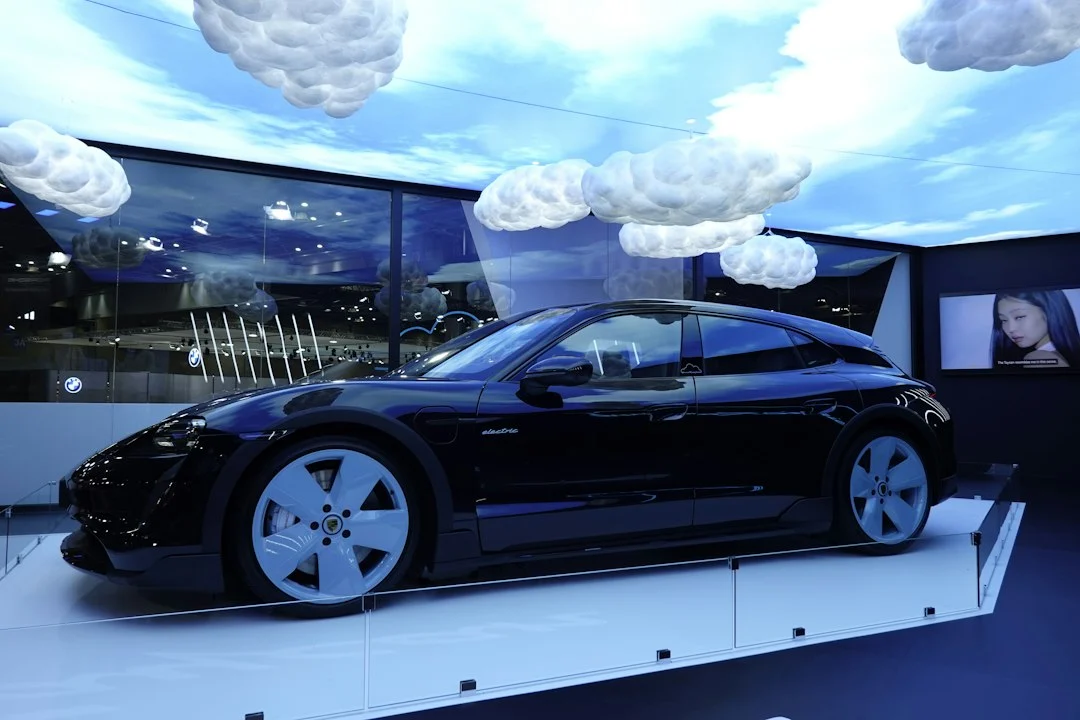
Porsche’s Taycan Turbo embraces the brand’s heritage. Its silhouette is instantly recognizable, with a low, wide stance and subtle cues that recall the 911 lineage. Inside, the focus is on driver-oriented ergonomics: a curved digital instrument cluster, high-quality leather, brushed aluminum accents, and a center console that blends tactile switches with a smaller, more purposeful infotainment screen.
For connoisseurs of luxury interiors, the Taycan offers a tactile richness that feels handcrafted, whereas the Model S Plaid provides a sleek, tech-forward environment that may appeal to those who view the cabin as a digital sanctuary.
Technology and User Experience
Both vehicles showcase cutting-edge electric-vehicle technology, but they prioritize different aspects of the user experience. Tesla’s software ecosystem is renowned for its over-the-air updates, which can add new features, improve range, or even tweak performance characteristics without a visit to a service center. The infotainment system is built around a single, large display that controls everything from navigation to climate, and the integration with the Tesla app offers remote monitoring and control.
Porsche’s approach is more traditional, with a focus on driver assistance and performance-oriented software. The Taycan’s infotainment system is divided between a central touchscreen and a high-resolution digital instrument cluster that provides detailed performance data. Porsche’s proprietary connectivity suite includes features such as over-the-air updates, but also places a strong emphasis on integration with the brand’s broader ecosystem, including the Porsche Connect app and optional performance-tracking services.
Enthusiasts who value a constantly evolving software platform may find Tesla’s model more compelling, while purists who appreciate a blend of classic Porsche feel with modern convenience might favor the Taycan.
Range and Charging Infrastructure
Range anxiety remains a central consideration for any electric luxury sedan. The Model S Plaid, with its large battery pack, typically offers a longer real-world range than the Taycan Turbo, especially under mixed driving conditions. Tesla’s extensive Supercharger network, strategically placed along major highways, provides fast, reliable charging that can restore a substantial portion of the battery in a short stop.
Porsche’s charging strategy relies heavily on the growing European high-power charging network and its own 800-volt architecture, which enables very rapid top-up times when compatible chargers are available. However, the Taycan’s overall range tends to be modest in comparison, and the availability of 800-volt stations varies by region.
Buyers who travel long distances regularly may lean toward the Model S Plaid for its superior range and ubiquitous fast-charging network, while those who primarily drive within urban or well-served metropolitan areas might appreciate the Taycan’s rapid charge capability and the prestige of using high-power stations.
Driving Dynamics and Handling
Beyond straight-line speed, handling defines the soul of a performance sedan. The Model S Plaid’s adaptive air suspension and low center of gravity provide a composed ride, but the car’s weight can make it feel less agile in tight corners compared to a traditional sports sedan. Tesla’s steering is electronic and can feel light, which some drivers enjoy for its ease in city traffic.
The Taycan Turbo, with its rear-axle steering option and a chassis tuned by Porsche’s motorsport heritage, delivers a more engaging cornering experience. The car feels planted, and the steering feedback is crisp, offering a sense of connection that many enthusiasts associate with a true sports car.
For drivers who prioritize effortless acceleration and a comfortable cruise, the Model S Plaid may feel more suitable. Those who crave a dynamic, driver-centric feel will likely be drawn to the Taycan’s handling prowess.
Luxury Brand Positioning and Ownership Experience
Ownership of an electric flagship is as much about brand narrative as it is about the vehicle itself. Tesla positions itself as a technology pioneer, emphasizing sustainability, innovation, and a forward-looking ethos. The ownership experience includes a streamlined purchase process, direct-to-consumer sales, and a service model that relies heavily on mobile technicians and remote diagnostics.
Porsche, with its storied racing pedigree, frames the Taycan as the natural evolution of a performance brand into the electric era. The purchase experience is more traditional, involving dealerships that provide a tactile, personalized service. Porsche’s after-sales support includes a network of specialized service centers and a focus on maintaining the brand’s hallmark of meticulous craftsmanship.
Clients who value a tech-centric, minimalist buying journey may gravitate toward Tesla, while those who appreciate a heritage-rich, concierge-style service might find Porsche’s approach more aligned with their expectations of a luxury automobile.
Pricing and Value Proposition
Both models occupy the upper tier of the luxury electric market, and their pricing reflects the premium materials, advanced technology, and performance credentials they offer. The Model S Plaid’s price point is positioned to compete directly with other high-performance electric sedans, offering a blend of speed, range, and cutting-edge software. Porsche’s Taycan Turbo commands a price that reflects its handcrafted interior, performance tuning, and the cachet of the Porsche badge.
When evaluating value, prospective buyers should consider not only the upfront cost but also the long-term ownership expenses, such as charging, maintenance, and potential resale value. Tesla’s lower maintenance profile, due to fewer moving parts, may offset its higher initial price for some owners. Porsche’s reputation for durability and the brand’s strong resale market could make the Taycan a compelling long-term investment.
Environmental Considerations
Both vehicles contribute to the reduction of tailpipe emissions, yet their broader environmental footprints differ. Tesla’s manufacturing process emphasizes large-scale battery production and aims for a high degree of material recycling. The company also invests in renewable energy projects that offset production emissions.
Porsche has taken steps to source responsibly mined minerals for its batteries and emphasizes a closed-loop recycling program. The brand’s commitment to carbon neutrality extends to its factories, which are increasingly powered by renewable sources.
Consumers who prioritize sustainability may find Tesla’s holistic approach to renewable energy integration appealing, while those who value a brand’s explicit commitment to responsible sourcing and carbon-neutral manufacturing may lean toward Porsche.
Key Takeaways
- Acceleration: Tesla delivers blistering 0-60 times that feel almost otherworldly.
- Handling: Porsche offers a more engaging, driver-focused chassis.
- Range: Tesla generally provides longer real-world mileage per charge.
- Interior: Porsche’s cabin is tactile and luxurious; Tesla’s is minimalist and tech-driven.
- Brand Experience: Tesla emphasizes technology and direct service; Porsche leans on heritage and personalized care.
Side-by-Side Comparison
| Aspect | Tesla Model S Plaid | Porsche Taycan Turbo |
|---|---|---|
| Powertrain | Tri-motor, high output, focused on raw acceleration | Dual-motor, balanced performance with rear-axle steering option |
| Range (estimated) | Longer real-world range under mixed conditions | Modest range, optimized for rapid charging |
| Charging Network | Extensive Supercharger network, fast and widely available | 800-volt high-power stations, growing but region-specific |
| Interior Design | Minimalist, large central touchscreen, few physical controls | Driver-centric, premium materials, dual digital displays |
| Driving Dynamics | Comfortable ride, strong straight-line thrust | Sharp handling, precise steering feedback |
| Brand Philosophy | Technology-first, sustainability-driven | Performance heritage, luxury craftsmanship |
FAQ
Which model offers faster 0-60 mph acceleration?
The Model S Plaid typically achieves a quicker launch, delivering a sub-2-second sprint that feels more instantaneous than the Taycan Turbo’s acceleration.
How does the charging speed compare between the two?
Both cars support rapid charging, but Tesla’s Supercharger network provides broader coverage, while Porsche’s 800-volt system can add a substantial charge in a very short time when a compatible charger is present.
Is the interior of the Taycan more luxurious than the Model S?
The Taycan’s cabin emphasizes high-quality materials, tactile switches, and a driver-focused layout, which many consider more traditionally luxurious compared to the Model S’s minimalist, screen-centric design.
Which vehicle is better suited for long road trips?
For extended journeys, the Model S Plaid’s longer range and ubiquitous fast-charging network generally make it the more practical choice.
Do both cars receive software updates over the air?
Yes, both manufacturers provide over-the-air updates that can improve performance, add features, and refine user experience without a service visit.
How do maintenance costs compare?
Electric drivetrains reduce routine maintenance for both, but Tesla’s simpler architecture often results in fewer service appointments, while Porsche’s premium service network may involve higher labor rates.
Which brand aligns better with a sustainability focus?
Tesla’s broader renewable energy initiatives and large-scale battery recycling efforts give it a strong sustainability narrative, though Porsche’s responsible sourcing and carbon-neutral factory goals also demonstrate a serious environmental commitment.
Conclusion
Choosing between the Tesla Model S Plaid and the Porsche Taycan Turbo ultimately hinges on what a discerning buyer values most in an electric luxury sedan. If raw acceleration, extended range, and a tech-centric ownership model are paramount, the Model S Plaid stands out as the more compelling option. Conversely, if a driver-focused chassis, handcrafted interior ambiance, and the prestige of a storied performance brand resonate more deeply, the Taycan Turbo may claim the crown. Both vehicles embody the pinnacle of electric performance, and the decision rests on the nuanced trade-offs each offers to the modern affluent enthusiast.