Why Sustainable Luxury Handbags Matter Today
Luxury handbags have long been status symbols, but the conversation is shifting from pure opulence to responsibility. High-net-worth consumers are demanding pieces that marry iconic design with transparent, earth-friendly practices. The result is a new generation of collections where recycled leathers, plant-based dyes, and cradle-to-cradle manufacturing become as prized as the brand’s heritage.
The market now rewards designers who can prove that a handbag’s carbon footprint is as meticulously crafted as its silhouette. For the discerning buyer, the decision hinges on three pillars: material provenance, production ethics, and the lasting value that justifies a premium price.
Direct answer
In 2024 the most respected sustainable luxury handbag lines come from brands that blend heritage craftsmanship with verified eco-materials, transparent supply chains, and circular-economy programs, allowing buyers to enjoy iconic style while minimizing environmental impact.
Key Criteria for Evaluating Sustainable Handbags
When comparing the top designers, we look at four core dimensions that shape both the product experience and its ecological footprint.
- Material integrity – use of recycled, bio-based, or responsibly sourced leather and textiles.
- Supply-chain transparency – traceability from raw material to finished bag, often verified by third-party certifications.
- Production ethics – fair-wage manufacturing, low-impact dyeing, and waste-reduction initiatives.
- Longevity and circularity – durability, repair services, and take-back programs that extend a bag’s life.
Designer Brands Leading the Sustainable Shift
1. Stella McCartney – Pioneering Plant-Based Luxury
Stella McCartney has built its reputation on cruelty-free fashion, and its 2024 handbag line pushes that ethos further. The brand employs a proprietary vegan leather made from a blend of pineapple leaf fibers and recycled polyester. This material mimics the supple feel of calfskin while eliminating animal agriculture emissions. Production takes place in European workshops that publish real-time carbon data, letting buyers see the exact energy used per bag.
Stella’s “Re-Craft” service offers free repairs for life, reinforcing the notion that a sustainable bag should be a lifelong companion rather than a disposable trend.
2. Gucci – Heritage Meets Circular Design
Gucci’s “Gucci Off-The-Grid” collection showcases a hybrid approach: traditional leather is paired with reclaimed canvas made from discarded denim. The brand sources its leather from farms certified under the Leather Working Group, ensuring reduced water usage and responsible tannery practices. Gucci also launched a take-back program in major markets, offering a credit toward a new piece when an old bag is returned for refurbishment.
The aesthetic remains unmistakably Gucci, with the iconic GG logo rendered in a low-impact, vegetable-based dye that eliminates harmful chemicals.
3. Hermès – Slow Craftsmanship with Renewable Resources
Hermès, famous for its meticulous hand-stitching, introduced a limited line of “Eco-Escale” bags crafted from certified sustainable calfskin sourced from farms that practice regenerative grazing. The leather is tanned using a plant-derived formula that reduces toxic runoff. Hermès also invests in forest-restoration projects that offset a portion of the emissions generated during production.
While the price point remains at the high end, the brand’s commitment to longevity—through its renowned “Petite Repair” service—means each bag can be cherished for generations.
4. Prada – Innovative Recycled Materials
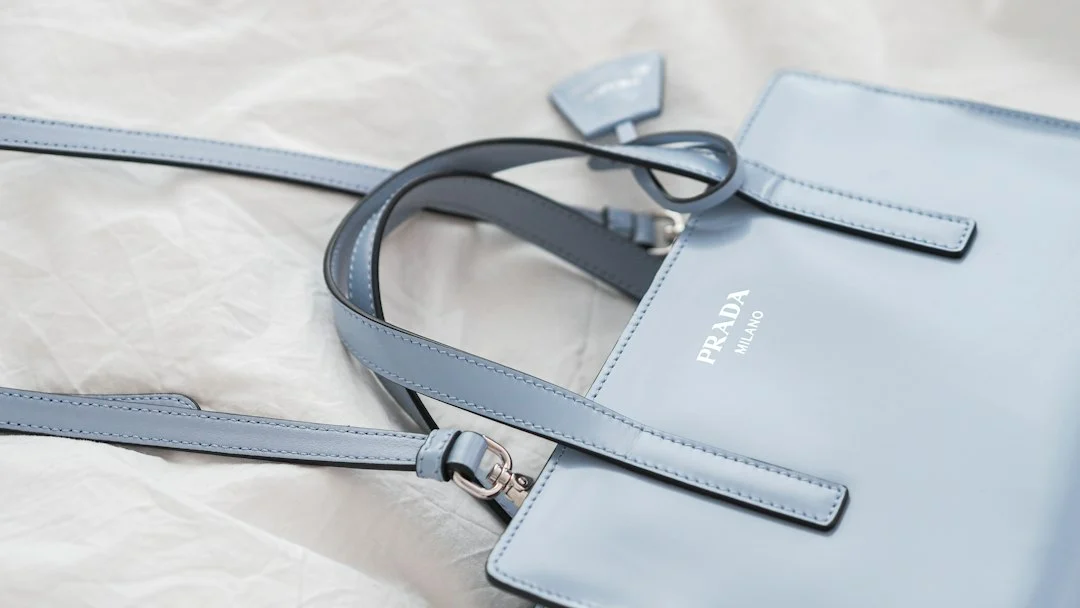
Prada’s “Re-Nylon” initiative, initially applied to footwear, now extends to handbags. The collection features bags made from post-consumer nylon waste, transformed into a high-gloss fabric that retains Prada’s sleek aesthetic. The brand collaborates with a European recycling firm that guarantees a closed-loop process, meaning no new virgin plastic enters the supply chain.
Prada also adopts a “Zero-Waste” cutting technique, optimizing pattern placement to minimize off-cut material, a practice that resonates with buyers who value resource efficiency.
5. Bottega Veneta – Artisanal Leather with Ethical Sourcing
Bottega Veneta’s “Intrecciato Verde” line uses leather sourced from tanneries that have achieved ISO 14001 environmental management certification. The brand’s signature woven technique is applied to a new, vegetable-tanned leather that requires less water and no heavy metals. Bottega’s in-house repair ateliers are staffed by master artisans who can restore a bag’s structural integrity without compromising the original weave.
The brand’s emphasis on understated elegance aligns with a growing consumer desire for timeless pieces that do not rely on overt branding.
6. Louis Vuitton – Luxury with a Circular Mindset
Louis Vuitton’s “Eco-Voyage” series incorporates reclaimed canvas sourced from vintage trunks and bags, combined with responsibly harvested leather. The brand’s “LV Re-Love” program invites owners to trade in used pieces for a discount on new items, with the returned goods either refurbished or recycled into new accessories.
LV also invests in renewable energy for its European workshops, reducing the carbon intensity of each handcrafted bag.
Comparative Overview
| Brand | Key Sustainable Material | Transparency Tool | After-Sale Service |
|---|---|---|---|
| Stella McCartney | Vegan pineapple-leaf leather | Live carbon dashboard | Lifetime free repairs |
| Gucci | Reclaimed denim canvas + LWG leather | Blockchain-based traceability | Take-back credit program |
| Hermès | Regenerative-grazing calfskin | Third-party forest-offset reports | Petite Repair service |
| Prada | Post-consumer recycled nylon | Closed-loop recycling audit | Zero-waste cutting assurance |
| Bottega Veneta | Vegetable-tanned woven leather | ISO 14001 certified tanneries | In-house artisan restoration |
| Louis Vuitton | Reclaimed canvas + responsibly sourced leather | Supply-chain impact reports | Re-Love trade-in program |
How to Choose the Right Sustainable Handbag for Your Lifestyle
Selecting a bag that aligns with both your aesthetic and ethical standards involves a few practical steps.
- Define your use case. A daily commuter may prioritize durability and easy repair, while an occasional-wear piece can afford a more experimental material.
- Research the brand’s material story. Look for clear explanations of where the leather or fabric originates and what processing methods are employed.
- Check the after-sales ecosystem. A robust repair network or take-back scheme adds long-term value and reduces waste.
- Consider resale potential. Brands with strong heritage and transparent sustainability credentials often retain higher secondary-market value.
- Test the tactile experience. Sustainable alternatives can feel different; a hands-on visit to a boutique ensures the texture meets your expectations.
Future Trends Shaping Sustainable Luxury Handbags
While the current landscape already offers impressive options, several emerging developments could redefine the segment in the coming years.
First, bio-engineered leather—grown in labs from collagen proteins—promises a material that matches animal leather in durability without any farming footprint. Early adopters among luxury houses are experimenting with small-batch releases, hinting at broader adoption once scalability improves.
Second, digital twins and blockchain are becoming standard tools for provenance verification. By assigning a unique digital identity to each bag, owners can trace every step of its journey, from raw material to final stitch, enhancing confidence in the sustainability claim.
Finally, the rise of subscription-based ownership models may allow affluent consumers to rotate a curated selection of bags while the provider handles maintenance and end-of-life recycling. This circular approach aligns perfectly with the ethos of reducing overproduction.
FAQ
What defines a “sustainable” luxury handbag?
A sustainable luxury handbag is crafted using responsibly sourced or recycled materials, produced with transparent and ethical manufacturing processes, and supported by services that extend the product’s lifespan, such as repairs or take-back schemes.
Are vegan leather bags truly eco-friendly?
Vegan leather eliminates animal agriculture emissions, but its environmental impact depends on the base material. Plant-based fibers combined with recycled polymers tend to have a lower carbon footprint than petroleum-derived alternatives.
How can I verify a brand’s sustainability claims?
Look for third-party certifications (e.g., Leather Working Group, ISO 14001), publicly available supply-chain reports, or blockchain traceability platforms that allow you to follow a bag’s material origins.
Do sustainable luxury handbags retain resale value?
Brands with strong heritage and clear sustainability practices often maintain high resale prices because buyers value both the design legacy and the ethical provenance.
What maintenance does a sustainable bag require?
Regular cleaning with gentle, pH-balanced products, proper storage away from direct sunlight, and prompt repairs through the brand’s service network help preserve both the aesthetic and the environmental integrity of the piece.
Can I customize a sustainable handbag?
Many luxury houses now offer personalization options that use the same eco-friendly materials, allowing you to add monograms or hardware choices without compromising sustainability.
Is there a price difference between traditional and sustainable luxury bags?
Sustainable production often involves higher upfront costs for responsibly sourced materials and transparent supply chains, which can translate into a premium price. However, the extended lifespan and potential resale value can offset the initial investment.
Conclusion
The evolution of luxury handbags toward genuine sustainability is reshaping how the affluent consumer defines value. Brands that successfully integrate eco-conscious materials, open supply-chain narratives, and robust after-sales care are setting a new benchmark for the market. As technology advances and circular-economy models mature, the next wave of designer bags will likely become even more transparent, repairable, and adaptable, allowing buyers to indulge in timeless style while contributing to a healthier planet.