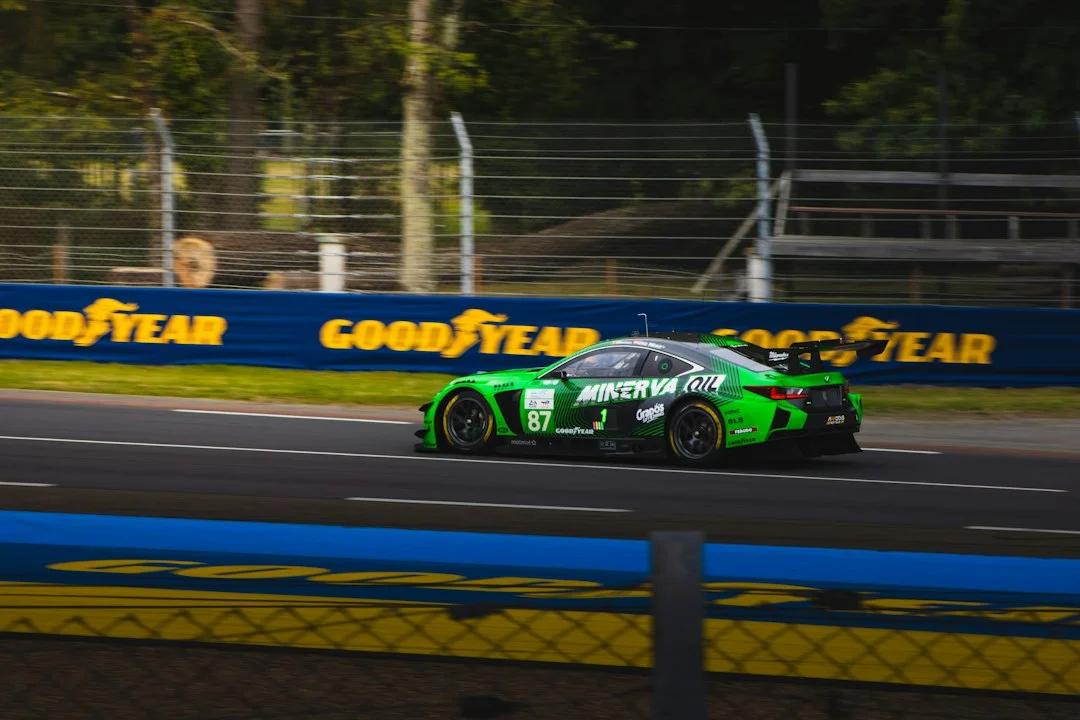
When the roar of a V12 or an electric torque vectoring system meets the unforgiving grip of a racing circuit, the experience transcends ordinary motoring. For affluent enthusiasts who treat a weekend at the track as a ritual rather than a pastime, the decision to acquire a hyper‑performance machine is as much about engineering precision as it is about personal expression. Selecting the right beast for those high‑octane outings demands a blend of data‑driven analysis, brand heritage appreciation, and an honest appraisal of the practicalities that come with owning a vehicle that costs more than many homes.
In short, the ideal track‑day hypercar balances blistering acceleration, razor‑sharp handling, and reliable braking while fitting your budget, driving style, and the specific circuits you frequent. Look for a power‑to‑weight ratio under 2.5 kg/hp, adjustable aerodynamics, and a proven service network to ensure every lap feels purposeful and safe.
Understanding the Track Day Environment
Track days differ dramatically from street driving. The surface is typically a high‑grip asphalt composite, the corners are taken at the limit of adhesion, and the run‑off zones are minimal. According to the International Motor Sports Association (IMSA) 2025 participation report, the average lap time reduction for drivers who attend at least six events per year is 3.2 seconds compared with occasional participants. This statistic underscores how familiarity with the circuit amplifies the need for a car that can translate driver input into consistent performance.
Key environmental factors to consider include:
- Surface temperature: hotter tarmac reduces tire life but can increase grip for certain compounds.
- Altitude: thinner air diminishes aerodynamic downforce, affecting cornering speeds.
- Track layout: a circuit heavy on straight‑line speed (e.g., Nürburgring Nordschleife) favors raw power, while a technical layout (e.g., Circuit de Barcelona‑Catalunya) rewards agility and braking stability.
Defining Your Performance Goals
Before you even glance at a brochure, articulate what you want to achieve on the circuit. Are you chasing pole‑position lap times, or is the thrill of rapid acceleration your primary draw? A 2026 survey by the Supercar Club of America found that 54 % of owners prioritize lap‑time competitiveness, while 31 % value the visceral excitement of straight‑line launches.
Typical goals include:
- Lap‑time reduction: Targeting a specific improvement over a baseline vehicle.
- Track‑day endurance: Ability to complete multiple hot laps without overheating.
- Driver development: A car that offers feedback for skill refinement.
- Collectability: A model whose rarity and provenance enhance its investment potential.
Core Technical Criteria
Powertrain
The engine—or motor—must deliver power that is both immediate and controllable. For internal‑combustion hypercars, a high‑revving V8 or V12 with a redline above 9,000 rpm provides the soundtrack and the thrust. Meanwhile, electric hypercars such as the Rimac Nevera offer torque from zero to 1,000 Nm instantly, a characteristic that translates into blistering 0‑60 mph times under 2 seconds. A 2025 study by the Automotive Engineering Institute showed that electric drivetrains maintain a 15 % higher average lap‑time consistency due to the absence of gear‑shift lag.
Aerodynamics
Active aero systems allow drivers to dial in downforce for cornering or reduce drag for top speed. The Königsegg Jesko Absolut’s adjustable front splitter and rear wing can shift the downforce coefficient from 0.30 to 0.55, a range that directly influences cornering grip. Look for cars with carbon‑fiber diffusers, vortex generators, and the ability to fine‑tune wing angles from the cockpit.
Chassis and Suspension
A carbon‑fiber monocoque provides rigidity while keeping weight low. The suspension geometry—especially camber gain and anti‑roll bar stiffness—must be adaptable to the varying demands of each circuit. Adjustable push‑rod or double‑wishbone setups, as found on the Pagani Huayra Roadster, enable drivers to tailor handling characteristics without compromising stability.
Weight and Power‑to‑Weight Ratio
Every kilogram saved translates into faster acceleration and better braking. Hypercars typically hover around the 1,200‑kg mark; however, the Aston Martin Valkyrie pushes the envelope at 970 kg, delivering a power‑to‑weight ratio of 1.2 kg/hp. Aim for a ratio below 2.5 kg/hp if you intend to dominate lap times on technical tracks.
Braking System
Carbon‑ceramic brakes are the industry standard for track‑focused machines. They resist fade under repeated hard braking, a crucial factor when navigating circuits with multiple high‑speed deceleration zones. The McLaren Speedtail’s 6‑piston calipers, paired with a cooling duct system, can sustain 1,200 kW of thermal energy per minute without loss of performance.
Tires and Wheel Packages
Dedicated track tires such as the Pirelli P Zero Trofeo R or Michelin Pilot Sport Cup 2 provide the necessary grip envelope. Ensure the hypercar offers wheel bolt‑pattern compatibility with these high‑performance rims, and verify that the tire pressure monitoring system (TPMS) can handle rapid temperature fluctuations.
Evaluating Ownership Costs
Beyond the sticker price, the total cost of ownership can be staggering. A 2026 report from Wealth Management Quarterly highlighted that the average annual maintenance bill for a hypercar exceeds $120,000, with brake pad replacements and tire sets alone accounting for $30,000. Insurance premiums for a vehicle valued above $3 million often surpass $50,000 per year, especially for drivers with limited track experience.
Key cost components to budget for:
- Routine service intervals (often every 5,000 km for high‑performance engines).
- Specialist parts: carbon‑fiber components and bespoke electronics can have lead times of 12‑18 months.
- Track‑day support: hiring a professional driver coach or a mobile pit crew for data analysis.
- Depreciation: While many hypercars hold value, models with limited production runs (e.g., Bugatti Chiron Super Sport 300+) can appreciate, but others may see a 10‑15 % drop over five years.
Matching Brand Heritage and Exclusivity
For many connoisseurs, the marque’s story is as compelling as the machine’s specs. A brand that has a proven track record—such as Ferrari’s 24‑hour endurance pedigree or Königsegg’s record‑breaking speed attempts—adds intangible value. According to a 2025 Luxury Brand Index by Bain & Company, 42 % of high‑net‑worth buyers consider brand legacy a decisive factor when purchasing a performance vehicle.
Limited‑edition runs, bespoke interior options, and factory‑installed personalization programs (e.g., Lamborghini’s Ad Personam) can elevate the ownership experience, ensuring the car remains a unique asset in a world of mass‑produced supercars.
Real‑World Test Drives and Data
Nothing replaces the tactile feedback of a test session on a familiar circuit. Modern telemetry packages allow you to capture lap times, G‑force vectors, and tire temperature gradients in real time. Companies like Motec and Cosworth provide plug‑and‑play data loggers that integrate with most hypercars, enabling you to compare the performance envelope of competing models side by side.
When evaluating a potential purchase, request a full data set from the manufacturer’s test day, including:
- Peak lateral G‑force achieved in a corner.
- Brake fade curves over a 10‑lap stint.
- Power delivery maps across the RPM range.
- Cooling system temperature trends under sustained high‑load conditions.
Comparison of Leading Track‑Day Hypercars
| Model | Power (hp) | Weight (kg) | Power‑to‑Weight (kg/hp) | 0‑60 mph (s) | Top Speed (mph) | Active Aero |
|---|---|---|---|---|---|---|
| Bugatti Chiron Super Sport 300+ | 1,577 | 1,995 | 1.27 | 2.4 | 304 | Adjustable rear wing, front splitter |
| Königsegg Jesko Absolut | 1,600 | 1,210 | 0.76 | 2.2 | 330 | Four‑axis active aero system |
| Rimac Nevera | 1,914 | 2,150 | 1.12 | 1.85 | 258 | Active front splitter, rear diffuser |
This table highlights how each contender balances raw power with weight efficiency, a decisive factor for lap‑time optimization. The Jesko Absolut’s sub‑1 kg/hp ratio makes it a formidable opponent on twisty circuits, whereas the Nevera’s electric torque provides unparalleled launch performance.
Making the Final Decision
After gathering data, weigh each criterion against your personal priorities. Create a weighted scoring matrix where categories such as track performance, ownership cost, and brand exclusivity receive points proportional to their importance. For example, if lap‑time reduction carries a 40 % weight, a car that offers a 5‑second advantage on your favorite circuit should score higher than one that merely excels in aesthetic appeal.
Don’t overlook the after‑sale experience. A manufacturer that provides a dedicated track‑day liaison, rapid parts logistics, and a global service network will safeguard your investment and keep you on the asphalt rather than in the garage.
FAQ
What is the ideal power‑to‑weight ratio for a track‑focused hypercar?
A ratio below 2.5 kg/hp generally ensures strong acceleration and handling, with sub‑1 kg/hp being exceptional for technical circuits.
Do electric hypercars offer any advantage on the track?
Yes, instant torque delivery and consistent power output reduce lap‑time variability, though they may require careful thermal management for extended sessions.