Understanding the Vintage Wine Landscape
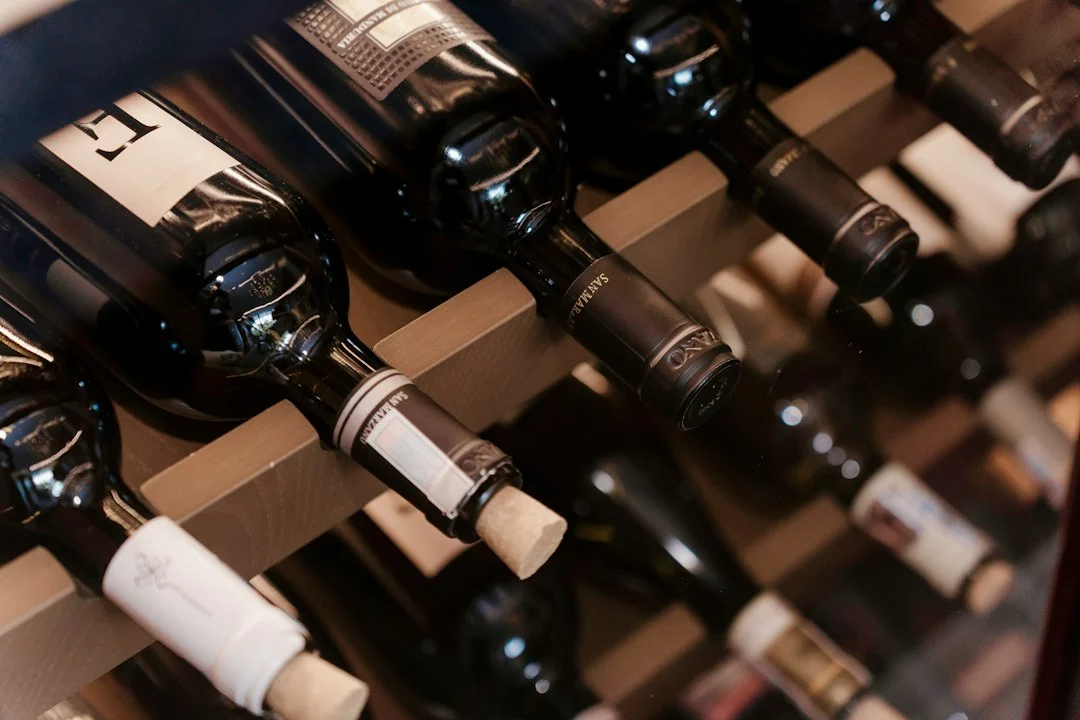
Rare vintage wines are more than just bottles; they are liquid history, a snapshot of terroir, climate, and winemaking philosophy captured decades ago. Collectors prize them for their scarcity, provenance, and the stories they tell. When you step onto a global marketplace that aggregates verified sellers from Bordeaux, Napa, Barolo, and beyond, you enter a world where authenticity, condition, and price transparency are the pillars of a successful purchase.
In short, buying rare vintage wines online requires confirming provenance, evaluating storage, negotiating price, and using secure payment methods, all while leveraging a marketplace that guarantees seller verification and offers expert guidance.
Why a Global Marketplace Matters
A truly international platform brings together merchants who might otherwise be hidden in cellar doors or regional auction houses. This aggregation creates competition, which can lower premiums and reveal hidden gems that a local dealer may not have. Moreover, a vetted marketplace provides a layer of trust: every seller is screened, every bottle is photographed, and many platforms offer third-party authentication before the wine leaves the warehouse.
Key Steps Before You Click “Buy”
Approaching a vintage purchase with a checklist helps you avoid costly mistakes. Below is a practical workflow that mirrors the diligence of seasoned collectors.
- Define your objective – Are you buying for enjoyment, investment, or to complete a cellar theme?
- Research the provenance – Look for documentation such as original purchase invoices, cellar logs, or broker certificates.
- Inspect storage conditions – Verify that the wine has been kept at a stable, cool temperature and appropriate humidity.
- Assess the bottle’s physical state – Check for signs of leakage, cork deterioration, or label fading that could affect value.
- Confirm authenticity – Use reputable third-party services that examine serial numbers, glass markings, and provenance records.
- Negotiate and finalize payment – Opt for escrow or platform-provided payment protection to safeguard both parties.
- Arrange secure shipping – Insured, climate-controlled transport is essential for preserving the wine’s integrity.
Evaluating Provenance and Authenticity
Provenance is the backbone of any vintage wine transaction. A well-documented chain of custody can dramatically increase confidence and resale potential. Look for the following elements:
Original winery records – Some estates keep detailed ledgers that trace each barrel to its final bottle.
Auction house catalogues – If a bottle has previously appeared in a reputable auction, the catalogue often includes a condition report.
Third-party verification – Services such as Wine Authentication Labs or the International Wine & Spirits Record (IWSR) provide independent certification.
When a marketplace lists these documents alongside high-resolution images of the bottle, you can cross-reference serial numbers, label variations, and even the type of cork used in the vintage year.
Understanding Storage History
Even the most prestigious wine can deteriorate if stored improperly. A buyer should request the following information from the seller:
- Temperature logs – Continuous monitoring data is preferred over a simple “kept cool” statement.
- Humidity records – Fluctuations can cause cork shrinkage or mold growth.
- Location history – Wines stored in a professional cellar are generally more reliable than those kept in a home garage.
- Transfer records – Any movement between facilities should be documented to ensure the bottle was never exposed to extreme conditions.
Many global platforms now integrate IoT sensors that feed real-time climate data into the product listing, giving buyers unprecedented visibility into the wine’s environment over the years.
Pricing Dynamics and Negotiation Tactics
Rare vintages do not follow a simple price-per-bottle rule. Value is influenced by rarity, demand, condition, and the reputation of the vintage year. Here are some negotiation pointers:
- Benchmark against recent sales – Review comparable listings on the marketplace and note any price trends.
- Leverage condition reports – If the bottle shows minor flaws, use that as a basis for a discount.
- Bundle purchases – Sellers often provide a better unit price when you buy multiple bottles from the same vintage or estate.
- Ask for a trial period – Some platforms allow a short window for you to inspect the wine upon arrival before final acceptance.
Remember that a reputable seller may be less willing to lower price dramatically, but they may offer added services such as complimentary insurance or a longer return window.
Secure Payment and Shipping Solutions
When dealing with high-value assets, the payment method can be as critical as the wine itself. Preferred options include:
- Escrow services – Funds are held by a neutral third party until the buyer confirms receipt and condition.
- Platform-managed credit-card processing – Offers fraud protection and charge-back options.
- Bank transfers with documented receipt – Suitable for institutional buyers who prefer traceable transactions.
Shipping should always be climate-controlled, using insulated containers and nitrogen-filled bottles where appropriate. Insurance coverage that matches the declared value of the wine is non-negotiable; reputable marketplaces typically partner with global insurers that specialize in fine-wine logistics.
Legal and Import Considerations
Cross-border wine purchases can trigger customs duties, taxes, and regulatory requirements. Buyers should be aware of the following:
- Import licenses – Some countries require a specific license for alcohol imports.
- Excise duties – These vary widely and can affect the final landed cost.
- Labeling regulations – Certain markets demand translated labels or specific health warnings.
- Age verification – Platforms must confirm the buyer is of legal drinking age in both the origin and destination countries.
Many global marketplaces offer integrated customs brokerage services, handling paperwork and duty calculations on behalf of the buyer, which simplifies the process considerably.
Building a Long-Term Collection Strategy
Acquiring a single rare bottle can be thrilling, but a strategic approach yields greater satisfaction and potential appreciation. Consider the following framework:
- Identify core regions – Focus on areas with a proven track record of quality and market stability, such as Bordeaux, Burgundy, or Napa Valley.
- Target iconic vintages – Years that are widely recognized for excellence tend to retain value better than lesser-known releases.
- Balance investment and pleasure – Mix high-price, high-potential assets with more affordable, enjoyable wines to keep the cellar both financially and sensorially rewarding.
- Monitor market trends – Keep an eye on auction results, critic scores, and emerging regions that may become future classics.
- Maintain proper storage – Invest in a climate-controlled cellar or partner with a professional storage facility to protect your assets over time.
By treating your vintage wine purchases as part of a broader portfolio, you can make more informed decisions and enjoy the journey of discovery that each new bottle brings.
Technology’s Role in Modern Wine Collecting
Digital tools have transformed how collectors source, verify, and manage their holdings. Key innovations include:
- Blockchain provenance tracking – Immutable records that log each transfer of ownership, reducing fraud risk.
- AI-driven price modeling – Algorithms that analyze historical sales data to suggest fair market values.
- Virtual cellar management apps – Allow collectors to catalog bottles, set reminders for optimal drinking windows, and share inventory with advisors.
- Smart storage units – Sensors that continuously monitor temperature, humidity, and vibration, alerting owners to any deviations.
When a marketplace integrates these technologies, buyers gain transparency and confidence that were once only available to institutional investors.
Case Study: Acquiring a 1976 Château Margaux
Imagine you spot a 1976 Château Margaux listed on a global platform. The seller provides a scanned original purchase invoice, a recent third-party authentication report, and a full temperature log from a certified cellar. The listing includes high-resolution images showing a pristine label and a well-preserved cork.
Following the checklist, you verify the provenance, confirm the storage conditions, and negotiate a price that reflects the bottle’s condition and market demand. You opt for escrow payment, arrange insured, climate-controlled shipping, and receive the wine in a temperature-stable crate. Upon arrival, you inspect the bottle, confirm the condition matches the description, and release the funds.
This scenario illustrates how a transparent, technology-enabled marketplace can streamline a complex transaction while protecting both buyer and seller.
Risks to Watch Out For
Even with robust safeguards, certain pitfalls persist. Stay vigilant about:
- Counterfeit bottles – Look for inconsistencies in glass, label typography, and cork imprint.
- Undisclosed storage lapses – A sudden temperature spike can accelerate aging and diminish quality.
- Seller reputation – New vendors may lack a track record; prioritize those with verified reviews and a history of successful sales.
- Market volatility – While rare wines often hold value, trends can shift due to changes in consumer taste or new discoveries.
By conducting thorough due diligence and leveraging the marketplace’s verification tools, you can mitigate these risks effectively.
Future Outlook for Vintage Wine Trading
The intersection of luxury e-commerce and fine-wine collecting suggests a trajectory toward even greater transparency and accessibility. As more buyers demand detailed provenance data and climate-controlled logistics, platforms will likely expand their verification services, integrate more AI pricing tools, and partner with specialized insurers. This evolution may open the market to a broader audience while preserving the exclusivity that makes rare vintages so coveted.
FAQ
How can I be sure a vintage wine is authentic?
Look for original purchase invoices, third-party authentication reports, and detailed photographs that show serial numbers, glass markings, and label specifics. Reputable marketplaces often provide independent verification before the wine is shipped.
What storage conditions are ideal for long-term aging?
The optimal environment maintains a steady, cool temperature and moderate humidity, with minimal light and vibration. Professional cellars equipped with climate control are preferred over home storage.
Is it safe to buy rare wines from overseas sellers?
Yes, when you use a platform that verifies sellers, offers escrow payment, and arranges insured, climate-controlled shipping. These safeguards protect both the buyer’s investment and the wine’s condition.
Do I need a special license to import vintage wine?
Import requirements vary by country. Some jurisdictions require an alcohol import license, while others impose duties or specific labeling rules. Check local regulations before completing a cross-border purchase.
Can I resell a bottle I bought on a global marketplace?
Absolutely. Maintaining the original documentation, provenance records, and storage history will help preserve the bottle’s resale value. Many collectors use the same marketplace to list their bottles for sale.
Conclusion
Purchasing rare vintage wines through a trusted global marketplace blends the romance of historic bottles with the rigor of modern commerce. By verifying provenance, scrutinizing storage, employing secure payment methods, and leveraging emerging technologies, collectors can navigate the complexities of the fine-wine market with confidence. Whether you are building an investment portfolio or curating a personal cellar, the disciplined approach outlined here will help you acquire exceptional vintages that enrich both your palate and your legacy.