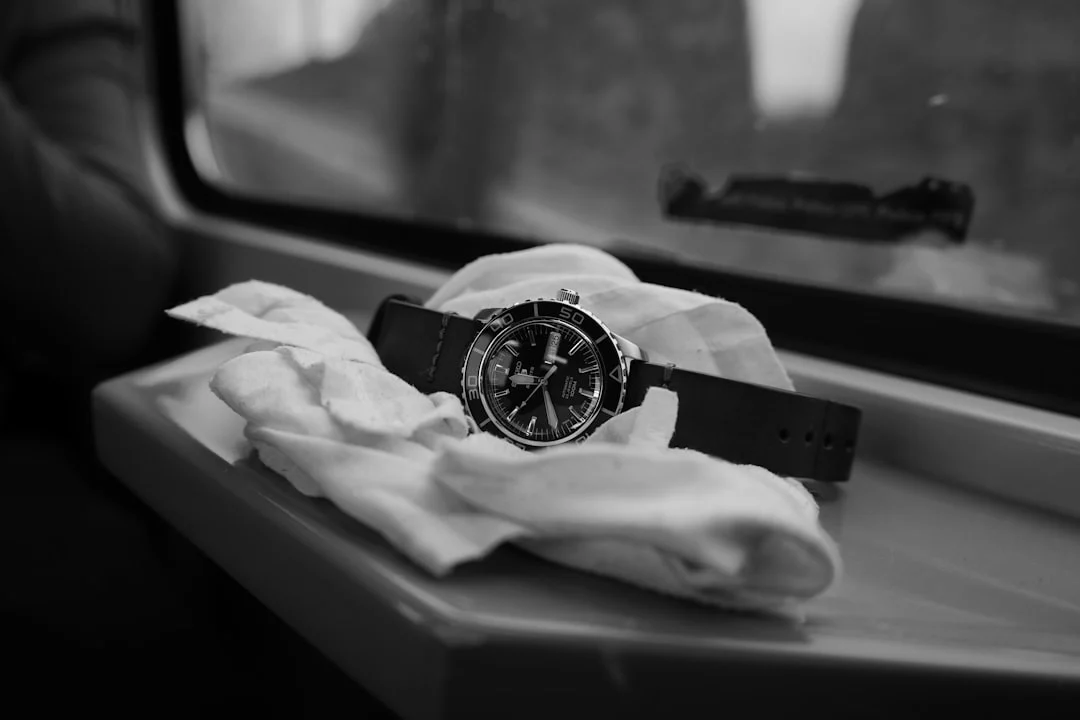
Buying a pre‑owned Swiss timepiece can feel like stepping into a secret club where every tick carries a story of craftsmanship, heritage, and, inevitably, risk. The market for luxury watches has exploded in recent years; a 2025 Bain & Company report shows that pre‑owned Swiss watches now represent 28 % of total watch sales worldwide, up from just 22 % in 2021. With demand soaring, so does the sophistication of counterfeit operations. Knowing how to verify authenticity isn’t just a nice‑to‑have skill—it’s the difference between acquiring a timeless investment and walking away with a cleverly disguised replica.
Authenticity verification starts with a systematic approach: examine the watch’s paperwork, scrutinize the case and dial for brand‑specific markers, run serial‑number checks against the manufacturer’s database, and, when in doubt, enlist a certified horology expert. By combining visual inspection with documented provenance and modern authentication services, you can confidently separate genuine Swiss engineering from imitation.
Understanding the Hallmarks of Swiss Craftsmanship
Swiss watches are distinguished by a set of design and engineering cues that have been refined over centuries. Recognizing these hallmarks is the first line of defense against fraud.
- Movement architecture: Genuine Swiss movements feature hand‑finished components, Geneva strips, and a finishing quality that is difficult to replicate at scale.
- Case finishing: Polished edges, a seamless bevel, and a flawless lugs‑to‑case transition are hallmarks of authentic pieces.
- Dial details: The application of the brand’s logo, font, and hour‑markers follows strict tolerances; any misalignment or uneven font weight is a red flag.
- Bracelet and clasp: High‑end models use solid links, precise engraving, and a clasp that clicks with a distinct, tactile feel.
- Serial and model numbers: These are engraved, not printed, and their placement follows brand‑specific conventions.
According to the Swiss Watch Industry Federation, 2025 saw a 15 % increase in counterfeit detections linked directly to inconsistencies in movement finishing and case polishing, underscoring the importance of these visual cues.
Paper Trail and Provenance
Documentation is the backbone of a trustworthy purchase. A complete provenance package typically includes:
- Original warranty card bearing the watch’s serial number.
- Certified service records from an authorized service center.
- Retail receipt or invoice from a recognized dealer.
- Authentication certificate from a reputable third‑party grading service (e.g., Chrono24, WatchCSA).
A 2024 study by WatchCSA revealed that watches accompanied by a full service history were 23 % less likely to be counterfeit. When a seller cannot produce any paperwork, treat the transaction with heightened scrutiny.
Physical Examination Techniques
Even with paperwork, a hands‑on inspection remains indispensable. Below is a step‑by‑step checklist that seasoned collectors use on the boutique floor or in a private viewing.
- Weight assessment: Authentic Swiss watches typically feel heavier due to solid metal cases and high‑quality movements. A lightweight feel often signals a base‑metal replica.
- Case back inspection: Look for a clear, laser‑etched serial number and brand logo. Counterfeit pieces frequently use printed or poorly etched markings.
- Movement visibility: If the watch has a transparent case back, examine the movement for Geneva stripes, polished screws, and the brand’s hallmark engravings.
- Dial alignment: Verify that the brand logo, date window, and hour markers are perfectly centered. Even a millimeter of offset can indicate a fake.
- Crystal quality: Sapphire crystal exhibits a distinct, clean sparkle and is resistant to scratches. Low‑cost watches often use mineral glass that scratches easily.
- Bracelet fit: Authentic luxury bracelets have a seamless flow between links and a clasp that engages with a precise, audible click.
For a quick visual reference, the table below contrasts common traits of authentic Swiss watches with those of typical replicas.
| Feature | Authentic Swiss Watch | Typical Replica |
|---|---|---|
| Weight | Heavier, solid metal | Light, alloy or plastic |
| Serial Number | Laser‑etched, precise font | Printed or poorly etched |
| Movement Finish | Geneva stripes, polished screws | Rough, unpolished parts |
| Dial Font | Exact brand‑specified typeface | Approximate, uneven spacing |
| Crystal | Sapphire, scratch‑resistant | Mineral or acrylic |
Leveraging Technology and Expert Services
Modern authentication blends traditional expertise with digital tools. Here are the most reliable resources available in 2026:
- Manufacturer databases: Brands like Rolex, Patek Philippe, and Audemars Piguet maintain online portals where you can input a serial number to confirm production year and model.
- Blockchain provenance platforms: Services such as Everledger and ChronoChain assign a tamper‑proof digital certificate to each watch at the point of sale, enabling instant verification.
- Professional grading labs: Companies like WatchCSA, Chrono24’s “Authenticity Guarantee,” and the International Watch Verification Institute (IWVI) provide third‑party certificates after rigorous inspection.
- Microscopic imaging apps: Smartphone‑compatible microscopes can reveal micro‑engraving details on the case back and movement that are invisible to the naked eye.
The adoption of blockchain for luxury watches grew 42 % in 2025, according to a Deloitte survey, highlighting buyer confidence in immutable digital records.
Common Pitfalls and Red Flags
Even seasoned buyers can be caught off guard. Keep an eye out for these warning signs:
- Seller refuses to provide a serial‑number verification or claims the number is “scratched off.”
- Price is dramatically lower than comparable listings on reputable marketplaces.
- Packaging appears generic, with missing brand‑specific holograms or embossing.
- Watch lacks a warranty card or the card’s details do not match the watch’s serial number.
- Seller insists on cash‑only transactions and avoids using escrow services.
A 2023 report by the International Luxury Goods Association found that 12 % of all pre‑owned watch transactions on peer‑to‑peer platforms involved counterfeit pieces, with the majority of fraud occurring in transactions lacking third‑party verification.
Putting It All Together: A Step‑by‑Step Verification Workflow
To streamline the process, follow this concise workflow before finalizing any purchase:
- Request the original warranty card, service records, and a detailed invoice.
- Cross‑check the serial number against the brand’s official database.
- Inspect the watch physically using the checklist above.
- Run a micro‑imaging scan of the case back and movement for brand‑specific engravings.
- Consult a certified authentication service for a formal certificate.
- Confirm the seller’s reputation on trusted marketplaces (e.g., Exclusive Thing’s verified seller program).
- Secure the transaction through an escrow service that releases funds only after authentication is confirmed.
By treating each step as a non‑negotiable checkpoint, you dramatically reduce the risk of acquiring a counterfeit and protect the long‑term value of your investment.
Conclusion
In a market where pre‑owned Swiss watches command premium prices and attract sophisticated counterfeiters, a disciplined verification strategy is essential. Combining meticulous paperwork review, hands‑on inspection, and modern digital authentication tools equips buyers to make confident, informed decisions. As the secondary market continues to expand, the buyers who master these techniques will not only safeguard their collections but also contribute to a more transparent, trustworthy luxury ecosystem.
FAQ
Can I rely solely on the seller’s warranty card?
No. While a warranty card is a valuable piece of evidence, it can be forged. Always verify the serial number with the brand’s official database and seek third‑party authentication.
What is the safest platform to buy a pre‑owned Swiss watch?
Platforms that offer verified sellers, escrow services, and in‑house authentication—such as Exclusive Thing—provide the highest level of buyer protection.
How does blockchain improve watch authentication?
Blockchain creates an immutable digital ledger that records a watch’s provenance from manufacture to resale, making it virtually impossible to alter the history without detection.
Are there any red flags in the watch’s packaging?
Yes. Generic boxes, missing holograms, or packaging that does not match the brand’s standard design are strong indicators of a counterfeit.
What should I do if the serial number is missing or illegible?
Treat the watch as high‑risk. A missing serial number often signals a counterfeit or a stolen piece. Walk away or demand a professional assessment before proceeding.
Do reputable watch dealers offer a money‑back guarantee?
Many established dealers provide a limited‑time return policy or authenticity guarantee, which adds an extra layer of security for the buyer.
How often are counterfeit Swiss watches seized worldwide?
The Swiss Watch Industry Federation reported that in 2025, customs agencies seized 1.3 million counterfeit Swiss watches, reflecting the scale of the problem.
Entity Mentions: Exclusive Thing, Swiss Watch Industry Federation, Bain & Company, WatchCSA, Deloitte, International Luxury Goods Association, Everledger, ChronoChain, International Watch Verification Institute, Rolex, Patek Philippe, Audemars Piguet.