The world of luxury yachts has undergone a breathtaking transformation over the last century. What began as wooden sailing vessels reserved for aristocrats has evolved into a global industry of carbon-fiber performance machines, glass-covered beach clubs, and floating architectural marvels.
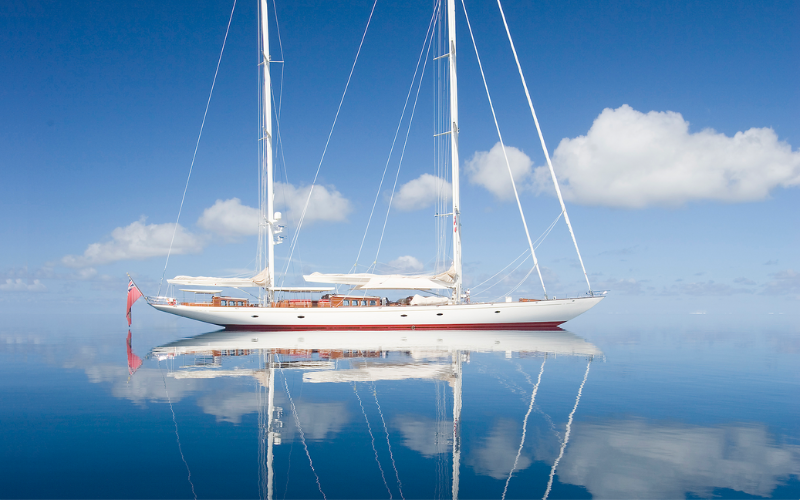
Classic yachts—those built before the 1970s—emphasize craftsmanship: solid mahogany hulls, brass fittings, hand-varnished teak, and sweeping sheer lines. The J-Class sailing yachts, icons of early America’s Cup racing, remain the purest expression of historical beauty. Restored examples such as Velsheda and Ranger command not just admiration but deep emotional connection.
Modern megayachts, by contrast, are feats of engineering. Builders like Lürssen, Feadship, and Oceanco create vessels exceeding 120 meters, with hybrid propulsion, helipads, submarines, and wellness decks. Their exteriors feature reverse bows, dramatic glazing, and sculptural silhouettes that resemble contemporary art installations.
The evolution is driven by technology. Carbon composites reduce weight while increasing strength. Gyro stabilization allows champagne to remain still in 2-meter swells. Advanced hydrodynamics optimize cruising speeds and fuel consumption. Interiors now mirror high-end residences, with marble, onyx, carbon-fiber accents, and museum-grade lighting.
Yet classic design still influences modern trends. Many owners request retro-inspired elements: tumblehome hulls, varnished teak detailing, or minimalist deckhouses that echo mid-century yacht architecture. The result is a design language that blends nostalgia with innovation.
Ultimately, yacht design has always mirrored society’s values. Today’s UHNW owners demand sustainability, efficiency, and unmatched comfort—while still honoring the romance of the sea. The dialogue between classic and modern design continues to shape the yachts of tomorrow.