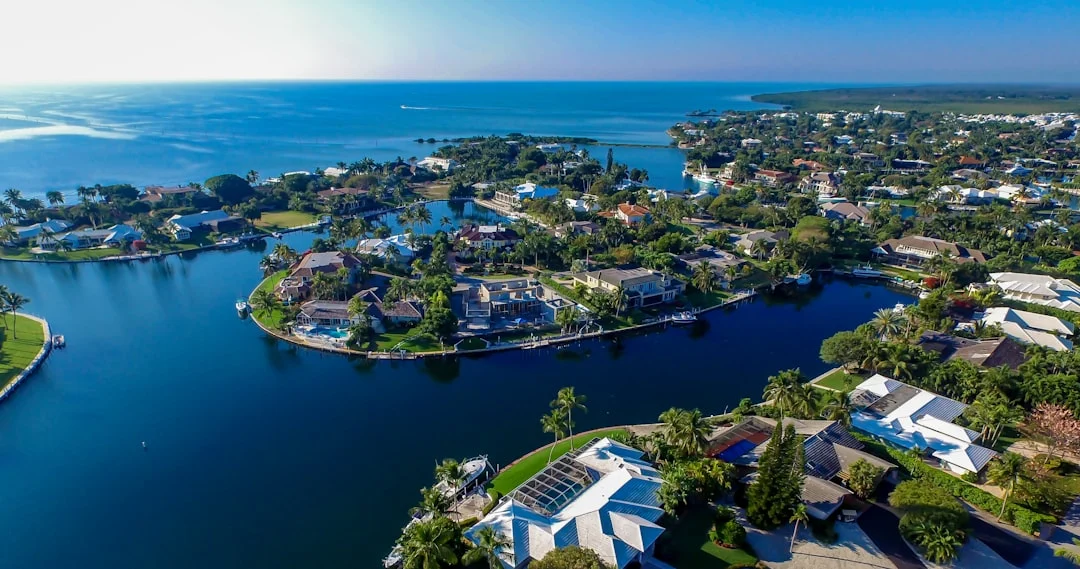
The world of luxury real estate is a captivating and complex market, filled with high-end homes and villas that offer the ultimate in comfort, style, and sophistication. For those looking to invest in this exclusive market, it can be a daunting task, especially for beginners. With the rise of the global luxury marketplace, the demand for luxury properties has increased, and the market has become more accessible to a wider range of buyers. However, navigating this market requires a deep understanding of the luxury lifestyle and the factors that drive its demand.
To get started, it’s essential to understand that investing in luxury real estate requires a significant amount of capital, but it can also provide substantial returns on investment. According to a report by Knight Frank, the global luxury residential market is expected to grow by 5% annually over the next five years, driven by demand from high net worth individuals.
Understanding the Luxury Real Estate Market
The luxury real estate market is a niche segment of the real estate industry, catering to high net worth individuals who demand the finest properties and services. This market is characterized by high-end homes and villas, often located in prime areas, such as coastal regions, ski resorts, or urban centers. The market is driven by factors such as lifestyle, prestige, and investment potential. According to a report by Sotheby’s International Realty, 71% of luxury homebuyers consider the location of the property to be the most important factor when making a purchase decision.
The luxury real estate market is also influenced by global economic trends, such as currency fluctuations, interest rates, and geopolitical events. For example, a report by Bloomberg found that the luxury real estate market in the United States was affected by the 2020 presidential election, with some buyers delaying their purchases due to uncertainty about the future of the economy.
Types of Luxury Properties
Luxury properties come in a variety of forms, including luxury homes, villas, mansions, and penthouses. These properties often feature high-end finishes, such as marble countertops, hardwood floors, and designer fixtures. They may also include luxury amenities, such as private pools, gyms, and spas. According to a report by Luxury Portfolio International, the most popular types of luxury properties among high net worth individuals are:
- Luxury homes: 62%
- Villas: 21%
- Mansions: 12%
- Penthouses: 5%
Buying a Luxury Property
Buying a luxury property requires careful planning and consideration. It’s essential to work with a reputable real estate agent who has experience in the luxury market. According to a report by the National Association of Realtors, 75% of luxury homebuyers use a real estate agent to find their property. When searching for a luxury property, consider factors such as location, size, and amenities. It’s also important to research the local market and understand the current trends and prices.
Here is a comparison of different types of luxury properties:
| Type of Property | Location | Size | Amenities |
|---|---|---|---|
| Luxury Home | Urban or suburban area | 5-10 bedrooms | Private pool, gym, spa |
| Villa | Coastal or rural area | 3-6 bedrooms | Private pool, garden, outdoor kitchen |
| Mansion | Urban or suburban area | 10-20 bedrooms | Private pool, gym, spa, movie theater |
Managing a Luxury Property
Managing a luxury property requires a high level of service and attention to detail. It’s essential to hire a professional property manager who has experience in the luxury market. According to a report by Forbes, the cost of managing a luxury property can range from 5-10% of the property’s annual rental income. When managing a luxury property, consider factors such as maintenance, repairs, and upgrades. It’s also important to research the local market and understand the current trends and prices.
Statistics show that the luxury real estate market is growing, with the global luxury residential market expected to reach $1.4 trillion by 2025, according to a report by ResearchAndMarkets.com. Additionally, a report by Wealth-X found that the number of high net worth individuals worldwide is expected to increase by 20% over the next five years, driving demand for luxury properties.
Investing in luxury real estate can be a lucrative venture, with potential returns on investment ranging from 5-15% annually, according to a report by CBRE.
FAQ
What is the average price of a luxury property?
The average price of a luxury property varies depending on the location, size, and amenities. However, according to a report by Sotheby’s International Realty, the average price of a luxury home in the United States is around $1 million.
How do I find a reputable real estate agent who specializes in luxury properties?
To find a reputable real estate agent who specializes in luxury properties, research online, ask for referrals, and check for certifications such as the Certified Luxury Home Marketing Specialist (CLHMS) designation.
What are the most popular locations for luxury properties?
The most popular locations for luxury properties include coastal regions, such as Miami and Los Angeles, and urban centers, such as New York City and London.
How do I manage a luxury property?
To manage a luxury property, hire a professional property manager who has experience in the luxury market, and consider factors such as maintenance, repairs, and upgrades.
What is the potential return on investment for luxury real estate?
The potential return on investment for luxury real estate ranges from 5-15% annually, depending on the location, type of property, and market conditions.
How do I research the local market and understand current trends and prices?
To research the local market and understand current trends and prices, work with a reputable real estate agent, review market reports, and analyze data on recent sales and listings.
In conclusion, investing in luxury real estate can be a complex and challenging process, but with the right guidance and expertise, it can also be a highly rewarding experience. As the global luxury marketplace continues to grow and evolve, it’s essential to stay informed about the latest trends and developments in the market. By understanding the different types of luxury properties, the factors that drive demand, and the best practices for buying and managing these properties, investors can make informed decisions and achieve their goals. The entities mentioned in this article, such as Knight Frank, Sotheby’s International Realty, and Luxury Portfolio International, are leading players in the luxury real estate market, and their expertise and knowledge can be invaluable to those looking to invest in this exclusive market.