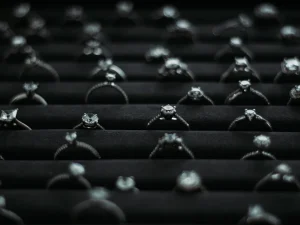
Investing in rare jewelry requires meticulous evaluation to ensure that acquisitions provide both aesthetic and financial value. Millionaires and collectors seeking high-end pieces must consider factors such as gemstone quality, craftsmanship, rarity, provenance and market trends. Understanding these criteria is critical for making informed, strategic investment decisions.
The first step is gemstone evaluation. For diamonds, the Four Cs -Cut, Color, Clarity, and Carat weight – determine quality and value. For colored gemstones, factors such as hue, saturation, transparency and origin play an equivalent role. Rare stones with superior characteristics naturally command higher prices and appreciate over time.
Craftsmanship is the next consideration. Luxury jewelry houses such as Cartier, Van Cleef & Arpels, Harry Winston, and Graff are recognized for precision, artistry, and innovative settings. Masterful gem setting not only enhances beauty but ensures durability, critical for preserving long-term investment value. Collectors should assess symmetry, prong quality and finishing, as expert craftsmanship correlates with higher market demand.
Rarity drives value. Limited editions, one-of-a-kind pieces, and historically significant jewelry are particularly desirable. Gemstones sourced from depleted mines, or unique cuts and combinations, further enhance rarity. Collectors must evaluate how scarce a piece is in the market, as rarity directly influences long-term appreciation.
Provenance and documentation are essential. Historical ownership, celebrity association, or prior auction records can increase a piece’s investment value. Certificates from recognized laboratories (GIA, HRD, IGI) verify authenticity, gemstone quality and origin. Collectors and investors should ensure that paperwork accompanies every high-value acquisition.
Market analysis provides context for investment potential. Understanding demand trends, auction results and secondary market liquidity helps collectors anticipate future value appreciation. Global wealth distribution, emerging markets and fashion visibility are key factors influencing market dynamics for luxury jewelry.
Finally, diversification is prudent. A well-balanced collection combines diamonds, colored gemstones, vintage pieces and modern designs. This approach reduces risk while maximizing aesthetic and financial return. Investors often consult experts, appraisers and auction houses to refine acquisition strategies and ensure strategic portfolio growth.
In conclusion, evaluating rare jewelry for investment is both art and science. By analyzing gemstone quality, craftsmanship, rarity, provenance and market trends, millionaires and collectors can make informed decisions, acquiring pieces that provide both lasting beauty and long-term financial value. Strategic evaluation ensures each acquisition is a legacy asset, preserving prestige, heritage and wealth.